Judges Warn That Irresponsible Remarks Could Undermine Judicial Independence
News THE ECONOMIC TIMES, livelaw.in, LAW, LAWYERS NEAR ME, LAWYERS NEAR BY ME, LIVE LAW, THE TIMES OF INDIA, HINDUSTAN TIMES, the indian express, LIVE LAW .INSupreme Court highlights dangers of public criticism against judges, stresses the need to preserve judicial dignity.
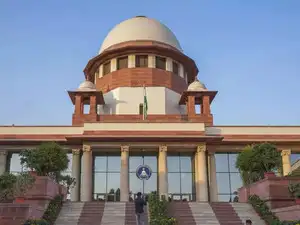
New Delhi, August 29, 2025 — The Supreme Court has issued a strong reminder about the sanctity of judicial independence, cautioning that public statements made recklessly against judges could erode confidence in the institution. The bench observed that while constructive criticism of judicial functioning is welcome in a democracy, remarks that cast aspersions on individual judges or the judiciary as a whole may weaken one of the core pillars of the Constitution.
The observations came during the hearing of a petition related to allegations against judicial officers. Senior advocates appearing in the matter argued that public discourse around judges has often crossed limits, creating an atmosphere of suspicion. Responding to these concerns, the bench stated, “Independence of the judiciary is not a privilege of judges but a safeguard for citizens. Any statement that tends to scandalize the system directly impacts public trust.”
Judicial Independence: A Constitutional Mandate
The judges emphasized that judicial independence is not merely a principle in theory but a fundamental requirement for the rule of law. Article 50 of the Constitution separates the judiciary from executive control, ensuring impartiality in decision-making. “The courts are duty-bound to function without fear or favour. Irresponsible statements that paint judges as biased, corrupt, or politically motivated can damage this delicate balance,” the court remarked.
Legal experts note that while freedom of speech is a constitutional right, it is not absolute. Article 19(2) allows reasonable restrictions, including those necessary to protect the dignity of courts. The Supreme Court has in the past held that criticism of judgments is permissible but targeting individual judges with unfounded allegations amounts to contempt.
Past Instances of Judicial Defense
This is not the first time the judiciary has defended itself against disparaging remarks. In several past cases, including contempt proceedings against politicians and activists, the apex court has reiterated that personal attacks on judges are unacceptable. The present observations serve as a continuation of that judicial philosophy, drawing a clear line between critique and vilification.
Advocates present during the hearing noted that social media has amplified the problem, with unverified claims and speculative commentary spreading rapidly. “Unlike in the past, even casual remarks now gain viral traction, which can distort public perception of judicial conduct,” one lawyer commented.
Balancing Free Speech and Accountability
The bench acknowledged the importance of transparency and accountability in the judicial system but stressed that reforms must occur through lawful means. “A democracy thrives on debate, but the debate must be responsible. Otherwise, the very institution meant to protect rights will be weakened,” the judges warned.
By highlighting this concern, the Supreme Court has once again underscored the delicate balance between free speech and judicial dignity. While constructive dialogue about judicial reforms remains necessary, the court’s warning makes it clear that unchecked remarks or targeted attacks risk damaging the credibility of the judiciary.
Source:

