Israel Conducts Airstrike on Palestinian Refugee Camp in Lebanon
NewsIsrael Conducts Airstrike on Palestinian Refugee Camp in Lebanon
At least 13 fatalities reported in Ain el-Hilweh strike targeting Hamas
India, November 19, 2025, Wednesday, 2025
India, October 25, 2023, Wednesday, 2023
Israel has executed a significant airstrike on the Ain el-Hilweh refugee camp in Lebanon, resulting in the deaths of at least 13 individuals. The Israeli military confirmed that the operation targeted a compound associated with Hamas, which they claim was being used for planning attacks against Israel. This incident marks a notable escalation in hostilities, occurring nearly a year after a ceasefire with Hezbollah concluded a period of intense cross-border violence.
Background of the Conflict
The Ain el-Hilweh camp, located near the southern city of Sidon, is one of the largest Palestinian refugee camps in Lebanon. It has long been a focal point for various Palestinian factions, including Hamas. The camp has faced numerous challenges, including poverty, overcrowding, and sporadic violence. The recent airstrike underscores the fragile security situation in the region.
The Israeli military's rationale for the strike centers on its ongoing campaign against Hamas, which it designates as a terrorist organization. Israeli officials assert that Hamas has been using the camp as a base for military operations. They argue that such actions threaten Israeli security and necessitate a strong military response.
Details of the Airstrike
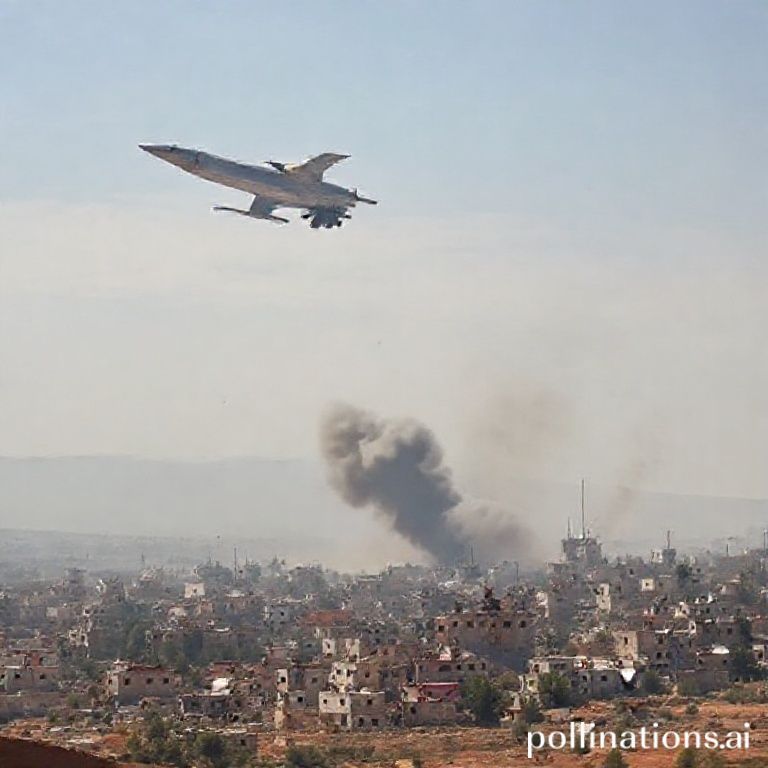
The airstrike occurred early in the morning, targeting what the Israeli military described as a training facility. Eyewitness accounts from the camp indicate that the strike caused significant destruction, with multiple buildings damaged or destroyed. Local residents reported hearing loud explosions and seeing plumes of smoke rising from the camp.
The aftermath of the strike has left many families in mourning. Among the deceased are reportedly members of Hamas, but also civilians who were caught in the crossfire. The Lebanese government has condemned the airstrike, calling it a violation of Lebanese sovereignty and an act of aggression.
Reactions from the International Community
The international community has reacted with concern to the escalation of violence. Various humanitarian organizations have called for restraint from both Israel and Hamas. They emphasize the need to protect civilians in conflict zones and to adhere to international law.
The United Nations has also expressed alarm over the situation. Officials have urged both parties to engage in dialogue to prevent further loss of life. The UN's position highlights the importance of addressing the underlying issues that fuel the Israeli-Palestinian conflict.
Historical Context
The airstrike comes against the backdrop of a long-standing conflict between Israel and Palestinian groups. Tensions have escalated in recent years, particularly following the collapse of peace talks and the resurgence of violence. The ceasefire with Hezbollah, which ended last year, had temporarily reduced hostilities but did not resolve the underlying tensions.
Israel's military operations in Lebanon have a complex history. The country has conducted numerous airstrikes in Lebanon over the decades, often citing security concerns. These actions have drawn criticism from various quarters, including human rights organizations, which argue that such strikes disproportionately affect civilians.
The Role of Hezbollah
Hezbollah, a powerful militant group based in Lebanon, has historically been a key player in the conflict with Israel. The group has engaged in multiple confrontations with Israeli forces, and its presence in southern Lebanon complicates the security landscape. The ceasefire with Hezbollah had provided a brief respite, but the recent airstrike indicates that tensions remain high.
Hezbollah has vowed to respond to Israeli aggression, raising concerns about a potential escalation of violence in the region. The group's leadership has called for solidarity among Palestinian factions, emphasizing the need for a united front against Israeli actions.
Local Impact
The residents of Ain el-Hilweh are now grappling with the aftermath of the airstrike. Many families have lost loved ones, and the community is in mourning. The camp, already struggling with limited resources, faces additional challenges in the wake of the attack.
Local leaders have called for international assistance to address the humanitarian needs of the camp's residents. They emphasize the importance of providing support to those affected by the violence, including medical care and psychological support for trauma survivors.
The airstrike has also heightened fears among residents about future attacks. Many are concerned about their safety and the potential for further military operations in the area. The uncertainty surrounding the security situation has left the community on edge.
Future Implications
The airstrike on Ain el-Hilweh may have broader implications for the region. Analysts suggest that it could signal a shift in Israel's military strategy, particularly regarding its approach to Hamas and other militant groups. The operation may also impact Israel's relations with Lebanon and the broader Arab world.
As tensions continue to rise, the potential for further conflict remains a pressing concern. The international community is closely monitoring the situation, with calls for de-escalation and renewed efforts toward peace. The ongoing violence underscores the urgent need for a comprehensive solution to the Israeli-Palestinian conflict.
In summary, the airstrike on the Ain el-Hilweh refugee camp has resulted in significant loss of life and raised alarms about the potential for further violence in the region. The situation remains fluid, with various stakeholders closely watching developments as they unfold.
Source:

