International Delegates Praise India’s Electoral Process
NewsInternational Delegates Praise India's Electoral Process
Observers from 22 Nations Commend Voter Engagement and Organization
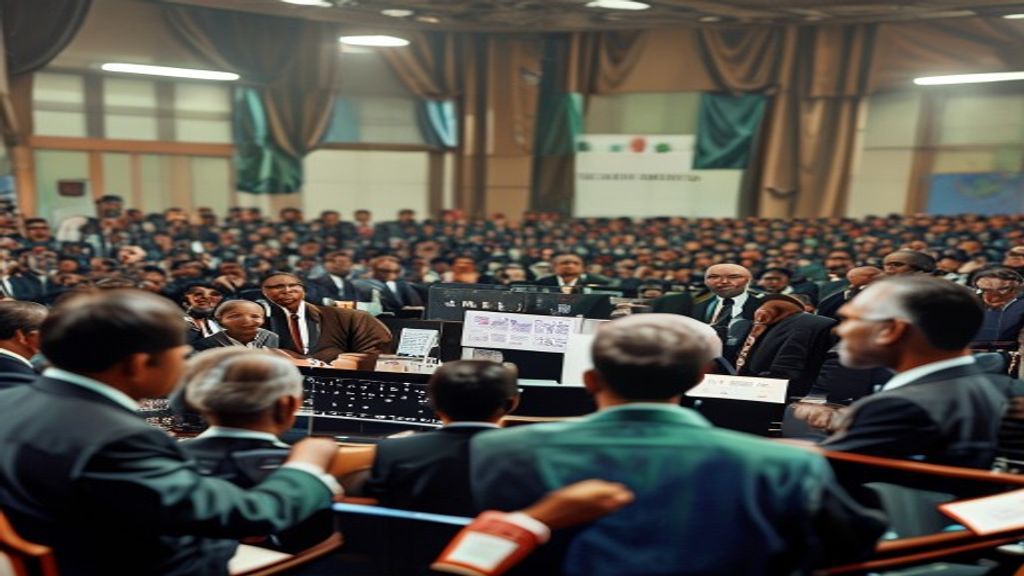
International delegates from 22 countries recently observed elections in India, specifically in Kerala, Assam, and Puducherry. Their visit aimed to assess the electoral process and its effectiveness. The delegates expressed admiration for the high voter turnout and the meticulous planning that characterized the elections.
The delegates described their experience as witnessing a "true festival of democracy." They were impressed by the seamless execution of the electoral process. This included the use of Electronic Voting Machines (EVMs) and the implementation of webcasting technology. Such innovations contributed to a transparent and efficient voting experience.
Voter Turnout and Engagement
One of the most notable aspects of the elections was the impressive voter turnout. Reports indicated that participation rates were significantly high across all three regions. This enthusiasm for voting reflects a growing civic engagement among the Indian populace.
Delegates observed that the high turnout was not merely a statistic but a testament to the citizens' commitment to democracy. Many voters expressed their eagerness to participate in the electoral process. They viewed voting as a vital responsibility and an opportunity to influence their governance.
Organized Polling Stations
The delegates also praised the organization of polling stations. Each location was equipped with necessary facilities to ensure a smooth voting experience. Accessibility for all voters, including those with disabilities, was a priority.
Polling stations featured clear signage and adequate staffing. This allowed for efficient management of the voting process. Observers noted that the presence of trained personnel helped to guide voters and address any questions or concerns.
Transparency Measures
Transparency was a key theme highlighted by the international delegates. They commended the measures in place to ensure the integrity of the electoral process. The use of EVMs was particularly noted for its role in enhancing trust among voters.
Webcasting of the voting process allowed for real-time monitoring. This initiative provided an additional layer of accountability. Delegates felt that such transparency measures are essential for fostering public confidence in the electoral system.
Civic Education and Awareness
The delegates also recognized the efforts made in civic education. Various campaigns aimed to inform citizens about the voting process and its significance. These initiatives played a crucial role in motivating voters to participate.
Many citizens reported that they felt more informed and empowered to make their voices heard. The emphasis on education helped demystify the voting process. This, in turn, encouraged greater participation among first-time voters and younger demographics.
Challenges and Opportunities
While the elections were largely successful, delegates acknowledged some challenges. They noted that logistical issues can arise in a country as vast and diverse as India. However, the overall execution of the elections demonstrated resilience and adaptability.
The experience gained from these elections presents opportunities for further improvement. Delegates suggested that continued investment in technology and infrastructure could enhance future electoral processes.
Global Perspective
The observations made by the international delegates contribute to a broader understanding of electoral practices worldwide. By sharing their experiences, they can help inform best practices in other democratic nations.
The delegates' positive feedback underscores the importance of learning from one another. Countries can benefit from examining different electoral systems and their outcomes. This exchange of ideas can lead to stronger democracies globally.
Future Implications
The successful execution of these elections in India may have implications for future electoral processes. The high voter turnout and effective organization could serve as a model for other nations facing similar challenges.
As countries around the world continue to grapple with issues of voter engagement and electoral integrity, India's experience offers valuable insights. The emphasis on transparency and civic education can inspire reforms elsewhere.
In summary, the recent elections in Kerala, Assam, and Puducherry have garnered international acclaim. Delegates from 22 countries have highlighted the impressive voter turnout, meticulous planning, and transparency measures. Their observations reflect a growing recognition of India's commitment to democratic principles. The experience gained from these elections will undoubtedly contribute to ongoing discussions about electoral best practices worldwide.
Source: