India’s Pharmaceutical Potential: From Middleman to Manufacturing
NewsIndia's Pharmaceutical Potential: From Middleman to Manufacturing Powerhouse
A Shift in the Global Supply Chain Landscape
India, December 9, 2025, Tuesday, 2025
India, October 25, 2023, Wednesday, 2023
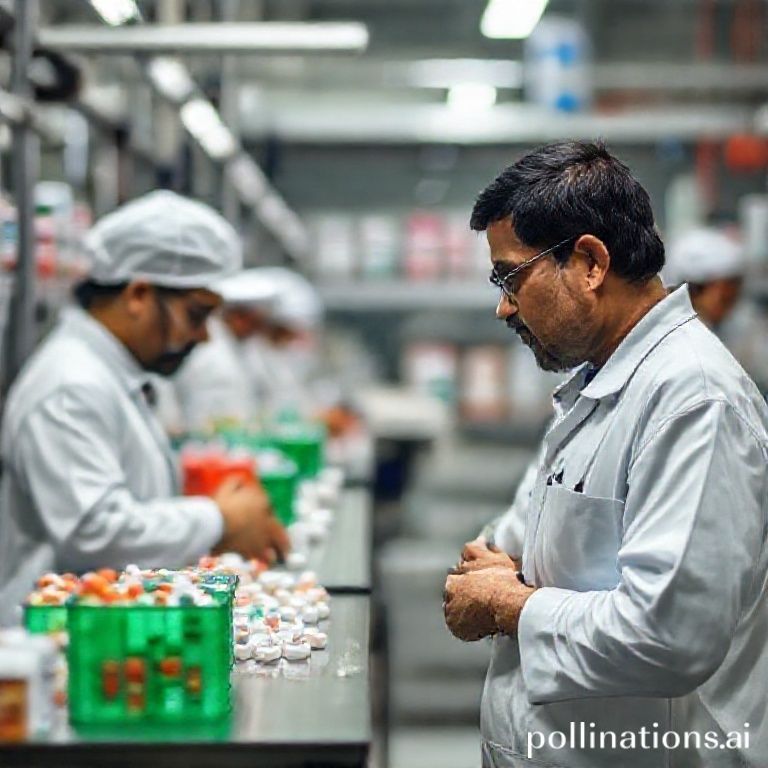
India's pharmaceutical industry is undergoing a significant transformation. Once viewed primarily as a middleman in the global supply chain, the country is now positioning itself as a manufacturing powerhouse. This shift is driven by various factors, including rising domestic demand, government initiatives, and the need for supply chain resilience.
The Global Context
The COVID-19 pandemic exposed vulnerabilities in global supply chains. Many countries realized their dependence on foreign suppliers for essential medicines and vaccines. India, known as the "pharmacy of the world," played a crucial role during the pandemic by supplying vaccines and generic drugs to numerous nations. This experience highlighted India's potential to enhance its manufacturing capabilities and reduce reliance on imports.
Government Initiatives
The Indian government has recognized the importance of bolstering the pharmaceutical sector. Initiatives such as the Production-Linked Incentive (PLI) scheme aim to encourage domestic manufacturing. The PLI scheme offers financial incentives to companies that increase production in specific sectors, including pharmaceuticals. This initiative has attracted both domestic and foreign investments, fostering innovation and growth.
Additionally, the government is focusing on improving infrastructure. Investments in logistics, transportation, and technology are essential for streamlining the supply chain. Enhanced infrastructure will facilitate quicker delivery of products and reduce costs, making Indian pharmaceuticals more competitive globally.
Rising Domestic Demand
India's population of over 1.4 billion people presents a vast market for pharmaceuticals. As the middle class expands, so does the demand for healthcare services and medications. The increasing prevalence of chronic diseases, such as diabetes and hypertension, further drives this demand. Pharmaceutical companies are now focusing on developing new drugs and therapies to cater to the needs of the Indian population.
Moreover, the rise of telemedicine and digital health solutions has changed how healthcare is delivered. Patients are seeking convenient access to medications, and pharmaceutical companies are adapting to this trend. E-pharmacies and online consultations are becoming more common, allowing companies to reach consumers directly.
Innovation and Research
Innovation is at the heart of India's pharmaceutical transformation. The country is home to numerous research and development (R&D) centers that focus on drug discovery and formulation. Collaborations between academia and industry are fostering a culture of innovation. Universities and research institutions are working closely with pharmaceutical companies to develop new therapies and improve existing ones.
Furthermore, India is becoming a hub for clinical trials. The regulatory environment has improved, making it easier for companies to conduct trials in the country. This shift not only benefits Indian patients but also attracts global pharmaceutical firms looking to conduct research in a diverse population.
Challenges Ahead
Despite the progress, challenges remain. Quality control is a significant concern in the Indian pharmaceutical industry. Ensuring that products meet international standards is crucial for gaining the trust of global markets. Regulatory bodies are working to strengthen oversight and improve compliance among manufacturers.
Additionally, competition is intensifying. As more countries seek to enhance their pharmaceutical capabilities, India faces pressure to maintain its competitive edge. Companies must invest in technology and innovation to stay ahead. Embracing digital transformation will be vital for improving efficiency and reducing costs.
Sustainability and Ethical Practices
Sustainability is becoming increasingly important in the pharmaceutical sector. Companies are recognizing the need to adopt environmentally friendly practices. This includes reducing waste, minimizing carbon footprints, and ensuring ethical sourcing of raw materials. Consumers are also becoming more conscious of sustainability, influencing their purchasing decisions.
Ethical practices in drug pricing and access to medications are critical issues. The Indian pharmaceutical industry has a reputation for providing affordable medicines, but maintaining this balance while ensuring profitability is a challenge. Companies must navigate these complexities to uphold their commitment to public health.
Global Partnerships
India's pharmaceutical industry is not working in isolation. Global partnerships are essential for growth. Collaborations with international firms can provide access to advanced technologies and expertise. Joint ventures and strategic alliances are becoming more common as companies seek to expand their reach.
Moreover, India's participation in global health initiatives is crucial. The country has been actively involved in efforts to combat diseases such as tuberculosis and HIV/AIDS. By collaborating with international organizations, India can leverage its manufacturing capabilities to address global health challenges.
The Future of Indian Pharmaceuticals
The future of India's pharmaceutical industry looks promising. With a focus on innovation, government support, and a growing domestic market, the country is well-positioned to become a leader in global pharmaceuticals. As companies adapt to changing market dynamics, they will continue to explore new opportunities for growth.
Investments in technology and infrastructure will play a pivotal role in this transformation. Embracing digital solutions will enhance efficiency and improve patient access to medications. The industry's ability to navigate challenges and seize opportunities will determine its success in the coming years.
In summary, India's pharmaceutical sector is on the brink of a significant evolution. The transition from a middleman to a manufacturing powerhouse is not just a possibility; it is becoming a reality. With the right strategies and investments, India can solidify its position as a key player in the global pharmaceutical landscape.
Source:

