India’s Diplomatic Stance During West Asia Crisis
NewsIndia’s Diplomatic Stance During West Asia Crisis
Rajnath Singh Highlights Balanced Approach
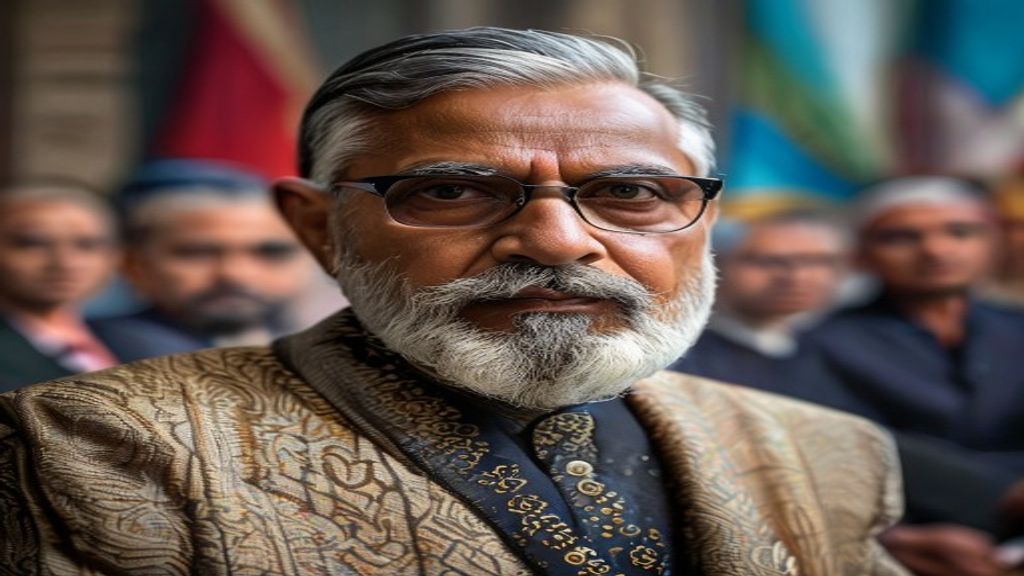
India has maintained a balanced diplomatic role amid the ongoing crisis in West Asia, according to Defense Minister Rajnath Singh. He emphasized the importance of dialogue and cooperation in addressing the complex issues facing the region. Singh's remarks come at a time when tensions have escalated, affecting various nations and their relationships.
The West Asia crisis has deep historical roots. It involves multiple stakeholders, each with distinct interests and perspectives. India, with its long-standing ties to the region, has sought to navigate these turbulent waters carefully. Singh pointed out that India’s approach is guided by its commitment to peace and stability.
India's Historical Ties to West Asia
India has a rich history of engagement with West Asia. The region is home to a significant Indian diaspora, which plays a crucial role in the economic and cultural exchanges between the two areas. This connection has fostered a sense of responsibility for India to contribute positively to the region's stability.
The Indian government has consistently advocated for dialogue over conflict. Singh reiterated that India believes in the power of diplomacy. He stated that constructive engagement is essential for resolving disputes. This philosophy underpins India's foreign policy in West Asia.
Recent Developments in the Region
The situation in West Asia has been marked by escalating violence and political instability. Various conflicts have erupted, drawing in regional and global powers. The humanitarian impact has been severe, with countless civilians caught in the crossfire.
In this context, India has called for restraint from all parties involved. Singh highlighted the need for a collective effort to address the root causes of the crisis. He urged nations to prioritize dialogue and negotiation over military action.
India’s Role in Humanitarian Efforts
India has also taken steps to provide humanitarian assistance to those affected by the crisis. Singh noted that India stands ready to support initiatives aimed at alleviating human suffering. The Indian government has been active in coordinating relief efforts, showcasing its commitment to humanitarian principles.
Moreover, India has engaged with international organizations to amplify its humanitarian outreach. Singh mentioned that India’s contributions have been recognized globally. This involvement not only underscores India’s commitment to humanitarian values but also enhances its diplomatic standing.
Engagement with Global Powers
India's balanced approach has not gone unnoticed by global powers. Singh pointed out that India has maintained open lines of communication with both Western and regional allies. This strategy allows India to advocate for peace while also addressing its national interests.
The Defense Minister emphasized that India does not align itself with any single bloc. Instead, it seeks to foster relationships based on mutual respect and understanding. This independent stance has enabled India to play a unique role in the West Asia crisis.
Challenges Ahead
Despite its efforts, India faces significant challenges in navigating the complexities of West Asia. The region's geopolitical landscape is constantly shifting. New alliances and rivalries emerge, complicating diplomatic efforts.
Singh acknowledged that the situation requires constant vigilance and adaptability. India must remain proactive in its diplomatic engagements. This includes reassessing strategies as circumstances evolve.
The Role of Multilateral Forums
Multilateral forums play a crucial role in addressing the West Asia crisis. Singh highlighted India's active participation in platforms such as the United Nations. These forums provide opportunities for dialogue and collaboration among nations.
India has advocated for a collective approach to security in the region. Singh stressed that multilateralism is essential for achieving lasting peace. By working together, nations can address shared challenges more effectively.
Strengthening Bilateral Relations
In addition to multilateral efforts, India is focused on strengthening bilateral relations with key countries in West Asia. Singh noted that these relationships are vital for enhancing regional stability. India has engaged in high-level dialogues with various nations to discuss security and economic cooperation.
Trade and investment are also critical components of these bilateral ties. Singh pointed out that India aims to boost economic partnerships with West Asian countries. This economic engagement can contribute to stability by fostering interdependence.
Cultural Diplomacy
Cultural diplomacy is another avenue through which India seeks to strengthen its ties with West Asia. Singh emphasized the importance of cultural exchanges in building mutual understanding. These initiatives can help bridge gaps and foster goodwill among nations.
India has a rich cultural heritage that resonates with many in West Asia. By promoting cultural ties, India can enhance its soft power in the region. Singh believes that cultural diplomacy can complement traditional diplomatic efforts.
Looking Ahead
As the crisis in West Asia continues to unfold, India remains committed to its balanced diplomatic approach. Singh reiterated that India will continue to advocate for peace and stability. The Indian government will monitor developments closely and adjust its strategies as needed.
The complexities of the West Asia crisis require a nuanced understanding. India’s historical ties, humanitarian efforts, and diplomatic engagements position it uniquely in this landscape. Singh’s remarks reflect a broader commitment to fostering dialogue and cooperation in a challenging environment.
In summary, India’s role in the West Asia crisis is characterized by a commitment to diplomacy and humanitarian assistance. Singh’s statements underscore the importance of a balanced approach in navigating the complexities of the region. As tensions persist, India will continue to advocate for peace and stability through dialogue and cooperation.
Source: