India and Russia Strengthen Nuclear Energy Ties
NewsIndia and Russia Strengthen Nuclear Energy Ties
Discussions on Second Russian Nuclear Power Plant Mark New Era of Collaboration
India, December 5, 2025, Friday, 2025
India, October 12, 2023, Thursday, 2023
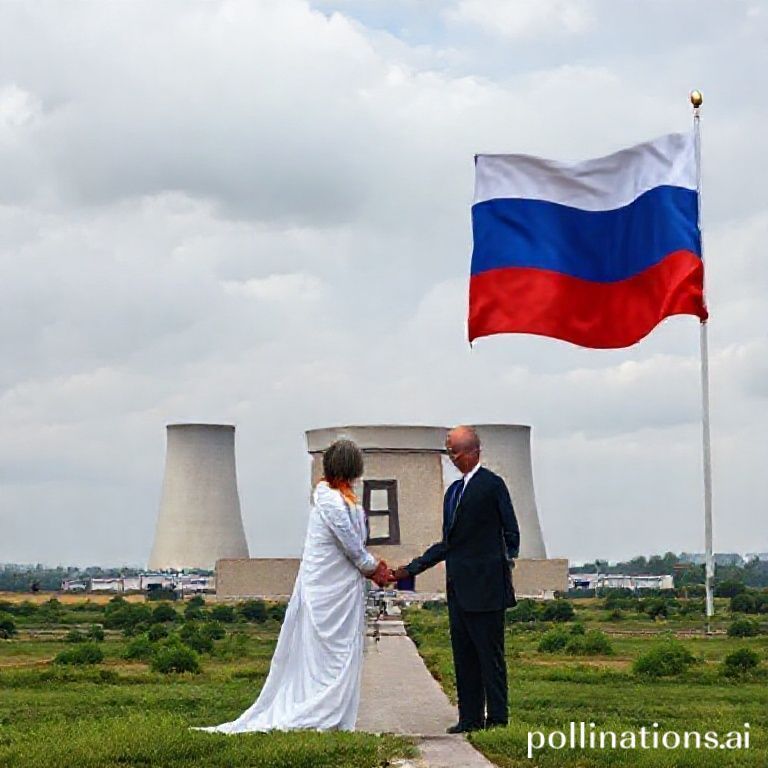
India and Russia are poised to enhance their nuclear energy partnership significantly. This development follows a recent visit by Russian President Vladimir Putin to India. During this visit, both nations engaged in discussions about constructing a second nuclear power plant designed by Russia. The talks signal a commitment from India to finalize the site allocation for this ambitious project.
Strengthening Nuclear Collaboration
The discussions between India and Russia are not limited to the construction of a new nuclear power plant. They also encompass a broader framework for cooperation in various aspects of nuclear energy. This includes the fuel cycle, lifecycle support for the existing Kudankulam nuclear power plant, and applications of atomic energy for peaceful purposes.
The Kudankulam plant, located in Tamil Nadu, has been a focal point of India-Russia nuclear collaboration. It is the largest nuclear power plant in India and has been operational since 2014. The successful operation of Kudankulam serves as a model for future projects.
Site Allocation and Project Timeline
India's commitment to finalize the site allocation for the new nuclear power plant is a crucial step forward. The Indian government is expected to expedite the process to ensure that the project moves forward without unnecessary delays. The timeline for the construction and commissioning of the new plant will depend on various factors, including regulatory approvals and site readiness.
Officials from both countries have indicated that they aim to streamline the approval process. This approach will help in meeting the growing energy demands of India while also adhering to safety and environmental standards.
Expanding the Fuel Cycle Cooperation
In addition to the new plant, the agreement includes expanding cooperation in the nuclear fuel cycle. This aspect is vital for ensuring a steady supply of fuel for nuclear reactors. India has been working to diversify its sources of nuclear fuel, and collaboration with Russia will play a significant role in this effort.
The fuel cycle encompasses various stages, including uranium mining, enrichment, and waste management. By working together, India and Russia can enhance their capabilities in these areas. This collaboration will not only benefit the two nations but also contribute to global nuclear energy advancements.
Lifecycle Support for Kudankulam
Lifecycle support for the Kudankulam plant is another critical component of the discussions. As the plant continues to operate, ongoing support is essential for its efficiency and safety. This support includes maintenance, upgrades, and training for personnel.
Russia has extensive experience in operating nuclear power plants, and India can benefit from this expertise. The partnership will ensure that the Kudankulam plant remains a reliable source of energy for the region.
Peaceful Applications of Atomic Energy
The discussions also touched upon the peaceful applications of atomic energy. Both nations recognize the importance of using nuclear technology for non-military purposes. This includes applications in medicine, agriculture, and industry.
India has been a proponent of using nuclear technology for development. The collaboration with Russia will enhance India's capabilities in these areas. Joint research initiatives and technology transfers are expected to emerge from this partnership.
Geopolitical Implications
The strengthening of nuclear ties between India and Russia comes at a time of shifting geopolitical dynamics. As global energy demands rise, countries are seeking reliable and sustainable energy sources. Nuclear energy is increasingly viewed as a viable option.
India's growing energy needs necessitate a diversified energy portfolio. The collaboration with Russia aligns with India's strategy to enhance its energy security. It also reflects India's commitment to reducing its carbon footprint through cleaner energy sources.
Russia, on the other hand, is looking to expand its influence in the global nuclear market. By partnering with India, Russia can solidify its position as a key player in the nuclear energy sector. This partnership may also open doors for future collaborations with other countries.
Public Sentiment and Safety Concerns
While the collaboration between India and Russia presents numerous benefits, public sentiment regarding nuclear energy remains mixed. Concerns about safety, environmental impact, and waste management are prevalent among the Indian populace.
The government has emphasized its commitment to safety standards and regulatory oversight. Transparency in operations and communication with the public will be crucial in addressing these concerns.
As the discussions progress, it will be essential for both governments to engage with stakeholders. This includes local communities, environmental groups, and industry experts. Building public trust will be vital for the successful implementation of the new nuclear power plant.
Future Prospects
Looking ahead, the collaboration between India and Russia in the nuclear energy sector holds significant promise. The construction of a second nuclear power plant is just the beginning. As both nations deepen their partnership, they may explore additional projects and initiatives.
The potential for joint ventures in research and development is vast. Innovations in nuclear technology could emerge from this collaboration, benefiting not only India and Russia but also the global community.
In summary, the discussions between India and Russia mark a pivotal moment in their nuclear energy relationship. With a focus on constructing a new power plant, expanding cooperation in the fuel cycle, and promoting peaceful applications of atomic energy, both nations are set to embark on a new chapter in their partnership.
Source:

