India Rejects China’s Renaming of Arunachal Pradesh Locations
NewsIndia Rejects China's Renaming of Arunachal Pradesh Locations
Ministry of External Affairs Calls Move a Mischievous Attempt
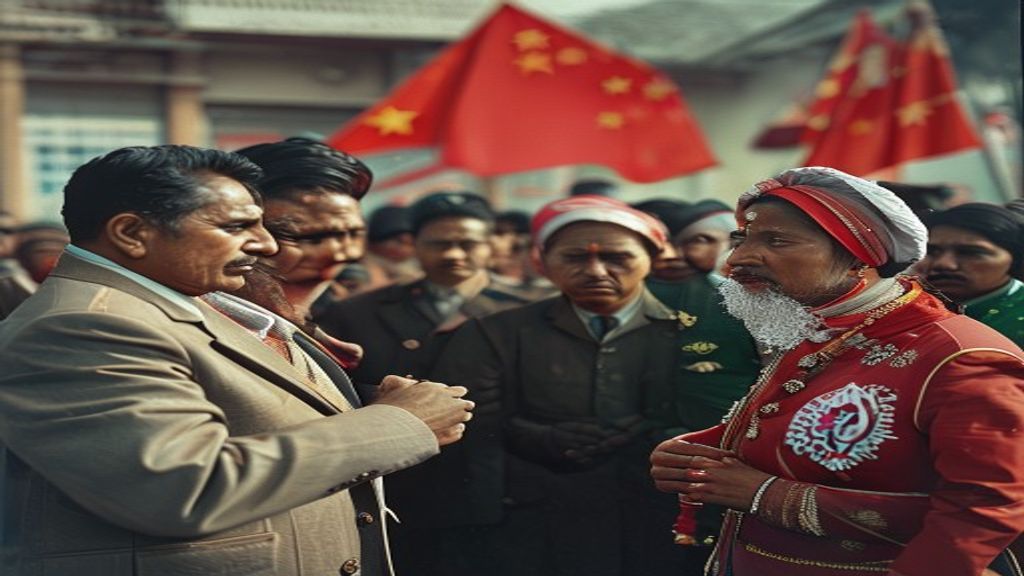
India has firmly opposed China's recent initiative to rename 23 locations in Arunachal Pradesh. The Ministry of External Affairs (MEA) characterized this action as a "mischievous attempt" to impose fictitious names on Indian territory. This development has raised concerns about the ongoing tensions between the two nations.
China's move comes amid a backdrop of strained relations. The MEA emphasized that such actions undermine efforts to stabilize ties between India and China. The Indian government views these renaming efforts as an attempt to reinforce China's unfounded claims over Arunachal Pradesh, a region that India considers an integral part of its territory.
The MEA's statement reflects India's long-standing position on territorial integrity. India has consistently maintained that Arunachal Pradesh is a vital part of its sovereign territory. The region has been a point of contention between the two countries for decades, with China asserting claims over it based on historical narratives.
China's recent renaming initiative is not an isolated incident. It follows a pattern of similar actions aimed at asserting its claims over disputed territories. Such moves often provoke strong reactions from India, which sees them as provocative and unjustified. The Indian government has reiterated its commitment to defending its territorial integrity against any external attempts to alter the status quo.
The MEA's response highlights the importance of dialogue in resolving disputes. India has called for constructive engagement with China to address outstanding issues. However, actions like the renaming of places only serve to complicate the diplomatic landscape. They create additional hurdles in the already challenging relationship between the two nations.
India's rejection of China's renaming effort also underscores the broader geopolitical implications. The region of Arunachal Pradesh is strategically significant, not only for India but also for its neighbors. The Indian government remains vigilant in safeguarding its interests in the area. Any attempts to alter the names of places can be seen as an infringement on India's sovereignty.
The timing of China's announcement raises questions about its intentions. As both countries navigate complex issues, including border disputes and trade relations, such provocations can escalate tensions. The Indian government is aware of the delicate balance required in managing its relationship with China. It seeks to address disputes through diplomatic channels while firmly standing its ground on territorial claims.
Public sentiment in India also plays a role in shaping the government's response. The Indian populace is generally supportive of a strong stance against perceived encroachments on national sovereignty. The MEA's statement resonates with citizens who view Arunachal Pradesh as an integral part of India. This nationalistic sentiment reinforces the government's position in rejecting China's claims.
In recent years, India has taken steps to enhance its infrastructure and military presence in Arunachal Pradesh. These developments aim to bolster security in the region and deter any potential aggression. The Indian government recognizes the importance of maintaining a robust presence in areas that are strategically significant.
China's actions may also be viewed in the context of its broader territorial ambitions. The country has engaged in similar renaming efforts in other disputed regions, including parts of the South China Sea. This pattern suggests a strategy aimed at solidifying its claims through administrative measures. India remains cautious of such tactics and is prepared to counter them.
The international community is closely monitoring the situation. Many countries have expressed support for India's position on territorial integrity. The United States, for instance, has reiterated its backing for India's claims over Arunachal Pradesh. This international support adds weight to India's stance and underscores the global implications of the dispute.
As the situation unfolds, both India and China face the challenge of managing their relationship. Diplomatic efforts will be crucial in addressing the underlying issues that contribute to tensions. However, actions like the renaming of places complicate these efforts and can lead to further misunderstandings.
In summary, India's rejection of China's renaming initiative reflects a broader commitment to defending its territorial integrity. The MEA's strong response highlights the significance of Arunachal Pradesh in the context of India-China relations. As both nations navigate this complex landscape, the need for constructive dialogue remains paramount. The actions taken by either side will continue to shape the trajectory of their relationship in the coming months.
Source: