India Achieves Major Decline in TB, Malaria, and Maternal Deaths
NewsIndia Achieves Major Decline in TB, Malaria, and Maternal Deaths
Public Participation and Political Will Drive Health Improvements
India, December 24, 2025, Wednesday, 2025
India, October 15, 2023, Sunday, 2023
India has made remarkable strides in reducing the incidence of malaria, tuberculosis (TB), and maternal and child deaths. This progress marks a pivotal moment in the nation’s public health landscape. The achievements are attributed to a combination of sustained political commitment, enhanced scientific capabilities, and active public participation.
Significant Reductions in Disease Incidence
Recent reports indicate a steep decline in the rates of malaria and TB across the country. The government has implemented various initiatives aimed at combating these diseases. These include widespread awareness campaigns, improved diagnostic facilities, and enhanced treatment protocols.
Malaria cases have dropped significantly due to the introduction of effective vector control measures. The use of insecticide-treated nets and indoor residual spraying has played a crucial role in reducing transmission rates. Additionally, the government has ramped up efforts to ensure timely diagnosis and treatment for those affected.
Similarly, TB rates have seen a downward trend. The National Tuberculosis Elimination Program (NTEP) has been instrumental in this achievement. The program focuses on early detection, treatment adherence, and the use of modern technologies to track and manage cases.
Maternal and Child Health Improvements
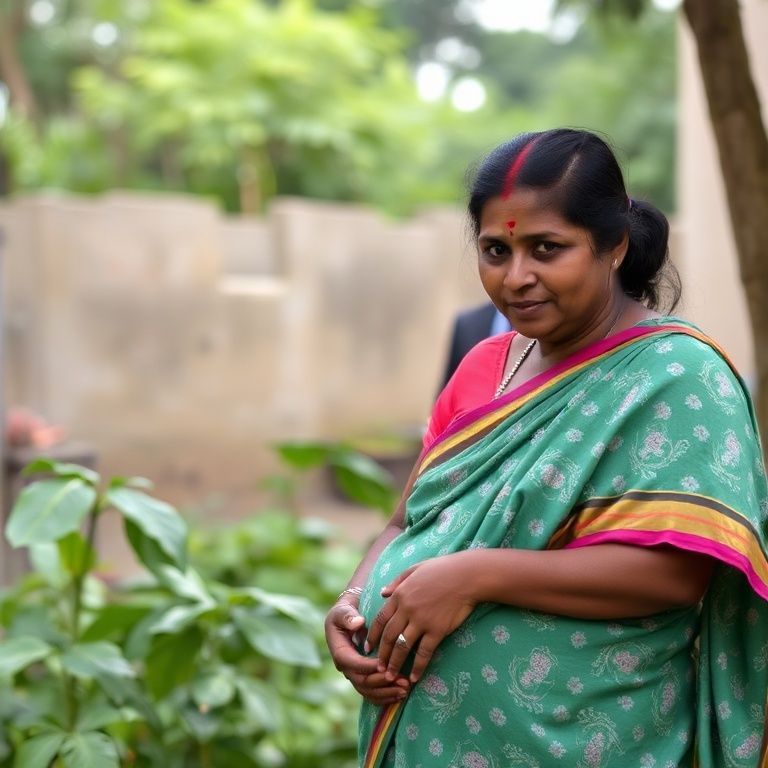
In terms of maternal and child health, India has also recorded a notable decrease in mortality rates. The government’s focus on improving healthcare access for women and children has yielded positive results. Initiatives such as the Pradhan Mantri Surakshit Matritva Abhiyan (PMSMA) provide essential healthcare services to pregnant women.
These programs emphasize regular check-ups, nutritional support, and emergency care. As a result, more women are receiving the care they need during pregnancy and childbirth. This proactive approach has contributed to the decline in maternal deaths.
Public Participation as a Key Factor
Public participation has emerged as a vital component in achieving these health milestones. Community engagement has fostered a sense of ownership among citizens. Local health workers play a crucial role in educating communities about disease prevention and health-seeking behaviors.
The involvement of non-governmental organizations (NGOs) has also been significant. These organizations work alongside the government to implement health programs at the grassroots level. Their efforts in mobilizing communities have led to increased awareness and participation in health initiatives.
Political Will and Scientific Capacity
The role of political will cannot be overstated. The Indian government has prioritized health in its policy agenda. This commitment is evident in the allocation of resources and the establishment of health programs aimed at disease elimination.
Moreover, India’s scientific capacity has improved markedly. Research and development in the health sector have led to innovative solutions for disease management. Collaborations between government institutions and research organizations have resulted in the development of new vaccines and treatment protocols.
Challenges Ahead
Despite these achievements, challenges remain. The goal of eliminating diseases like TB and malaria is still a work in progress. Continued efforts are necessary to sustain the momentum gained thus far.
One of the primary challenges is ensuring comprehensive life-course immunization. Vaccination coverage must be expanded to reach all segments of the population. This includes addressing gaps in immunization among marginalized communities.
Additionally, the emergence of drug-resistant strains of TB poses a significant threat. The government must intensify its efforts to combat this issue through research and the development of new treatment regimens.
Strengthening Health Systems
To build on the progress made, India must strengthen its health systems. This includes improving healthcare infrastructure, training healthcare workers, and ensuring the availability of essential medicines.
Investment in health technology is also crucial. Digital health solutions can enhance disease surveillance and improve patient management. By leveraging technology, the government can better track health outcomes and respond to emerging health threats.
Collaboration with International Partners
India’s health initiatives can benefit from collaboration with international partners. Sharing best practices and resources can enhance the effectiveness of health programs. Global partnerships can also provide access to funding and technical expertise.
The government has already engaged with various international organizations to bolster its health initiatives. These collaborations aim to align India’s health goals with global health standards.
Community Health Workers as Change Agents
Community health workers (CHWs) are essential in driving health improvements at the local level. They serve as a bridge between the healthcare system and the community. Their role in educating families about health practices is invaluable.
Training and empowering CHWs can lead to better health outcomes. They can help identify health issues early and facilitate access to healthcare services. By strengthening this workforce, India can enhance its public health response.
Focus on Mental Health
As India progresses in physical health, mental health must also be prioritized. The pandemic has highlighted the importance of mental well-being. Addressing mental health issues is crucial for overall health improvement.
Integrating mental health services into primary healthcare can ensure that individuals receive comprehensive care. Awareness campaigns can help reduce stigma and encourage people to seek help.
In summary, India’s achievements in reducing TB, malaria, and maternal deaths reflect a concerted effort involving political will, scientific advancements, and public participation. While challenges remain, the foundation has been laid for continued progress in public health. The focus must now shift to sustaining these gains and addressing emerging health threats.
Source:

