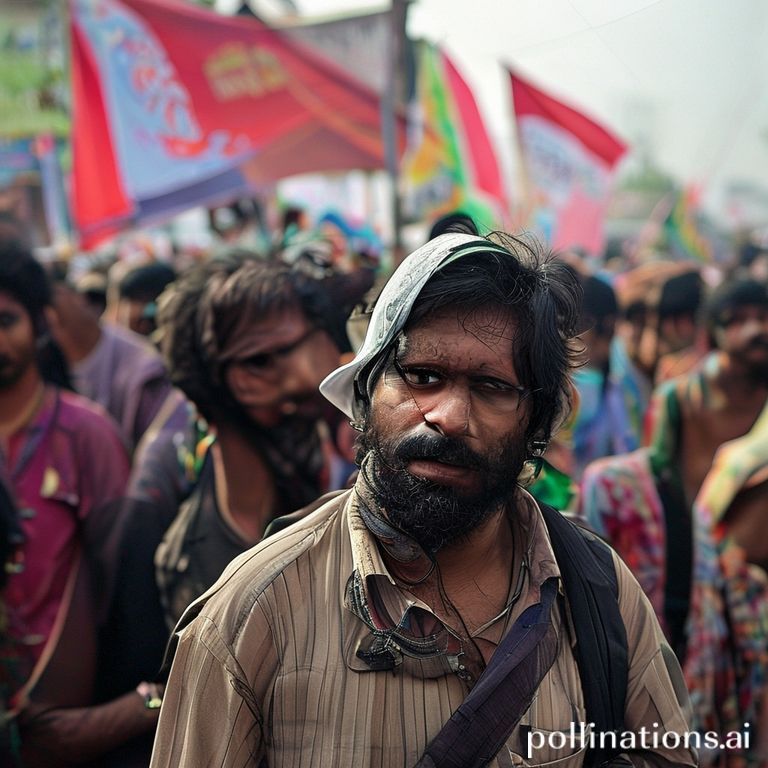
Examination of Gen-Z Protests in South Asia Urged by Manish Tewari
NewsExamination of Gen-Z Protests in South Asia Urged by Manish Tewari
Congress MP calls for analysis of recent youth movements across the region
India, January 13, 2026, Tuesday, 2026
India, October 10, 2023, Tuesday, 2023
Congress Member of Parliament Manish Tewari has called for a comprehensive examination of the recent protests led by Gen-Z in South Asia. He raised critical questions about the nature of these movements, pondering whether they stem from genuine grassroots sentiments or if they are influenced by external forces. Tewari's remarks come in the wake of significant political upheaval in countries like Sri Lanka, Nepal, and Bangladesh, where governments have faced substantial challenges.
The recent protests in these nations have drawn attention not only for their scale but also for their implications on regional stability. Tewari emphasized the importance of distinguishing between authentic grievances and narratives that may be weaponized for political gain. He believes that understanding the motivations behind these protests is crucial for policymakers and analysts alike.
The situation in Sri Lanka has been particularly striking. The island nation witnessed massive protests last year, leading to the resignation of then-President Gotabaya Rajapaksa. Tewari pointed out that the protests were fueled by economic hardships, including soaring inflation and shortages of essential goods. However, he cautioned against oversimplifying the narrative. He suggested that while economic factors played a significant role, there may also be external influences at play.
In Nepal, the political landscape has been equally tumultuous. The country has seen a series of protests and political realignments, particularly among the youth. Tewari noted that the younger generation is increasingly vocal about their dissatisfaction with the status quo. They demand transparency, accountability, and a government that addresses their needs. However, he questioned whether these demands are genuinely representative of the youth's sentiments or if they are being co-opted by political factions seeking to leverage their energy for their own ends.
Bangladesh presents another complex case. The country has experienced its share of protests, particularly surrounding issues of governance and human rights. Tewari acknowledged the tensions between the government and opposition groups. He expressed optimism about India's relationship with Bangladesh, despite the current challenges. He believes that a stable and prosperous Bangladesh is in India's interest, and that fostering dialogue can help mitigate tensions.
Tewari's call for a thorough analysis of these protests is timely. As the world becomes more interconnected, the dynamics of youth movements can have far-reaching implications. The rise of social media has amplified voices that were once marginalized. Young people are using these platforms to organize, mobilize, and express their frustrations. This shift has changed the landscape of political activism, making it essential to understand the underlying factors driving these movements.
The role of social media in shaping public opinion cannot be understated. Tewari highlighted how platforms like Twitter and Facebook have become battlegrounds for narratives. Information spreads rapidly, and misinformation can easily take root. This environment complicates the task of discerning genuine protests from those that may be orchestrated or manipulated.
Moreover, Tewari pointed out that the motivations behind these protests are often multifaceted. Economic issues, social justice, and political representation all intersect in complex ways. Young people today are more aware of global issues and are increasingly influenced by international movements. This interconnectedness can lead to a blending of local and global narratives, making it challenging to pinpoint the origins of discontent.
In addition to analyzing the protests themselves, Tewari emphasized the need to engage with the youth. Policymakers must listen to their concerns and aspirations. Ignoring the voices of young people can lead to further alienation and unrest. Tewari believes that fostering an inclusive political environment is essential for addressing the root causes of discontent.
The implications of these protests extend beyond national borders. As countries in South Asia grapple with their internal challenges, the regional dynamics are also at play. Tewari noted that the stability of one nation can significantly impact its neighbors. For instance, unrest in Sri Lanka could have ripple effects in India and Bangladesh. Therefore, understanding these movements is not just a matter of national interest but also of regional security.
Tewari's insights resonate with a broader trend observed in many parts of the world. Young people are increasingly taking to the streets to demand change. From climate action to social justice, the issues they champion reflect their values and priorities. This generational shift is reshaping political landscapes and challenging traditional power structures.
As the situation in South Asia continues to evolve, the need for careful analysis becomes even more pressing. Tewari's call for a thorough examination of Gen-Z protests serves as a reminder that understanding the motivations and dynamics at play is crucial for fostering stability and progress in the region. Policymakers, analysts, and citizens alike must engage with these movements thoughtfully and constructively.
In conclusion, the protests led by Gen-Z in South Asia are a reflection of broader societal changes. They highlight the aspirations and frustrations of a generation that is increasingly aware of its power. As these movements unfold, the importance of understanding their roots and implications cannot be overstated. Tewari's call for analysis is a step toward ensuring that the voices of young people are heard and addressed in the political discourse of the region.
Source:

