Jailed MP Engineer Rashid Declares Himself ‘MP from Tihar Jail’
NewsJailed MP Engineer Rashid Declares Himself 'MP from Tihar Jail' in Parliament
Controversial remarks spark debate on political representation and justice
India, December 3, 2025, Wednesday, 2025
India, October 15, 2023, Sunday, 2023
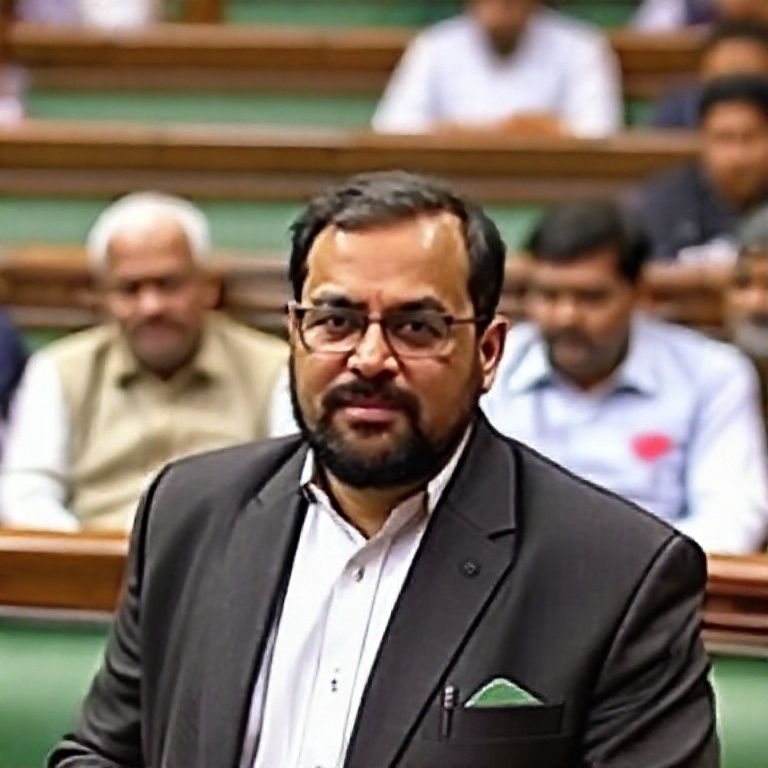
In a surprising turn of events, Engineer Rashid, a Member of Parliament currently incarcerated, addressed the Lok Sabha from Tihar Jail. His declaration of being the "MP from Tihar Jail" has ignited discussions about the implications of his imprisonment on political representation. Rashid, who has been a vocal critic of the government, used his platform to highlight issues of justice and political oppression.
Rashid's remarks came during a session where various MPs were discussing pressing national issues. His statement resonated with many, as he emphasized the need for justice and fair treatment for all citizens, regardless of their political affiliations. He argued that his imprisonment was politically motivated, aimed at silencing dissent.
The context of Rashid's imprisonment is crucial. He has faced multiple charges over the years, including allegations related to inciting violence and promoting separatism. His supporters claim that these charges are part of a broader strategy to suppress voices that challenge the ruling party. Rashid's situation raises questions about the balance between law enforcement and political freedom in India.
Political analysts are divided on the implications of Rashid's statements. Some argue that his position as an MP, even from jail, underscores the need for reform in the political system. They believe that every elected representative should have the right to voice their opinions, regardless of their circumstances. Others, however, caution against normalizing the idea of jailed politicians representing their constituents. They argue that it could set a dangerous precedent.
Rashid's speech also touched on the plight of other political prisoners. He called for their release and urged the government to reconsider its stance on dissent. His passionate delivery and the gravity of his words struck a chord with many in the assembly. Several MPs expressed their support for his call for justice, while others remained skeptical.
The reaction from the ruling party was swift. They dismissed Rashid's claims as attempts to gain sympathy and divert attention from his alleged wrongdoings. A spokesperson for the government stated that the law must take its course and that no one is above the law, regardless of their political status. This response highlights the ongoing tension between the government and opposition parties.
Rashid's situation is not unique in Indian politics. Several politicians have faced legal challenges while in office. The intersection of law and politics often leads to contentious debates about the integrity of the judicial system. Critics argue that the legal system can be weaponized against political opponents, while supporters of the government maintain that the judiciary operates independently.
The public's reaction to Rashid's statements has been mixed. Social media platforms have become battlegrounds for opinions on the matter. Supporters of Rashid have rallied behind him, using hashtags to promote his cause and demand his release. Conversely, opponents have criticized him, calling for accountability and justice for his alleged actions.
Rashid's case also raises broader questions about the role of political representation in a democracy. What does it mean for a representative to be incarcerated? Can they still effectively serve their constituents? These questions are at the forefront of discussions among political theorists and practitioners alike.
As the debate continues, Rashid's situation serves as a reminder of the complexities of political life in India. The balance between justice and political expression remains a contentious issue. The Lok Sabha session where Rashid spoke is likely to be remembered as a pivotal moment in this ongoing discourse.
In the coming weeks, the political landscape may shift as more details about Rashid's case emerge. His supporters are expected to intensify their efforts to rally public opinion in his favor. Meanwhile, the government will likely continue to defend its actions, emphasizing the rule of law.
The implications of Rashid's statements extend beyond his personal situation. They touch on fundamental issues of democracy, justice, and the rights of political prisoners. As the nation watches closely, the outcome of this situation could influence future political dynamics in India.
Rashid's declaration as the "MP from Tihar Jail" is more than just a statement; it is a call to action. It challenges the status quo and invites scrutiny of the political system. The ongoing discussions surrounding his case will undoubtedly shape the narrative of political dissent in India for years to come.
Source:

