DMK Aims for 200 Seats in Tamil Nadu Assembly Elections
NewsDMK Aims for 200 Seats in Tamil Nadu Assembly Elections
Stalin Criticizes BJP's Approach to Women's Quota
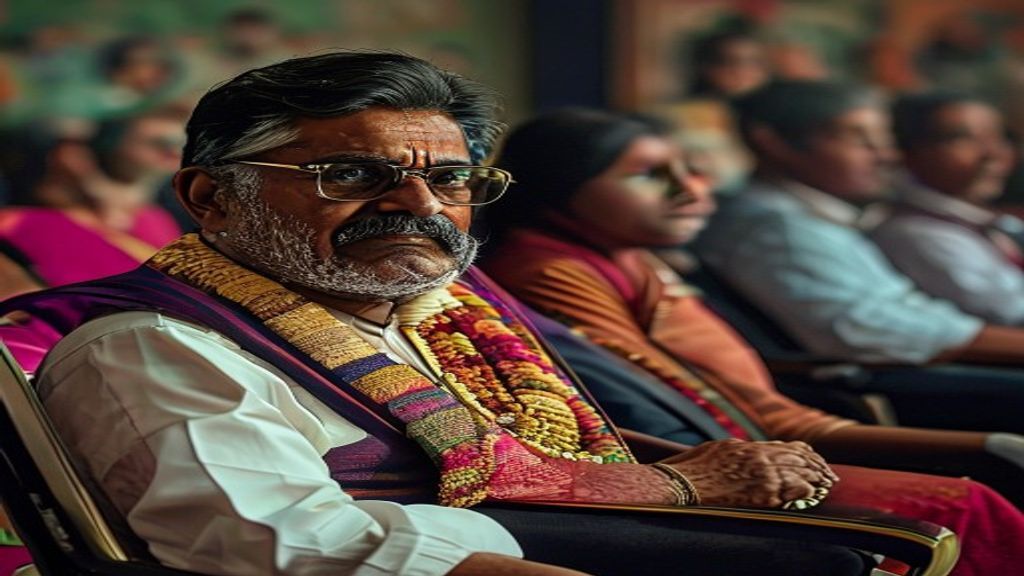
The Tamil Nadu assembly elections are approaching, and the Dravida Munnetra Kazhagam (DMK) party is gearing up for a significant campaign. Chief Minister M.K. Stalin has set an ambitious target of winning 200 out of the 234 seats in the assembly. This goal reflects the party's confidence and determination to maintain its stronghold in the state.
Stalin's campaign strategy focuses on various issues, including social justice, economic development, and women's empowerment. He has been vocal about the need for a more inclusive political landscape. The Chief Minister believes that empowering women is crucial for the state's progress. He has criticized the Bharatiya Janata Party (BJP) for what he describes as a "weaponized" approach to women's quotas.
Stalin's remarks come in response to the BJP's recent push for a women's reservation bill. The DMK leader argues that the BJP's intentions are not genuine. He claims that the party is using the women's quota as a political tool rather than a sincere effort to uplift women. According to Stalin, the BJP's focus on women's representation is selective and lacks a comprehensive plan.
The DMK has a long history of advocating for social justice and women's rights. The party has implemented various schemes aimed at empowering women in Tamil Nadu. These initiatives include financial assistance for women entrepreneurs and programs to promote education for girls. Stalin emphasizes that the DMK's commitment to women's issues is not merely a campaign tactic but a core principle of the party.
In addition to women's empowerment, the DMK's campaign will address economic challenges facing the state. Tamil Nadu has been grappling with issues such as unemployment and inflation. Stalin has promised to create job opportunities and support small businesses. He believes that a robust economy will benefit all citizens, particularly marginalized communities.
The DMK's focus on economic development is coupled with a commitment to social welfare. The party has introduced several welfare schemes aimed at improving the quality of life for the underprivileged. These programs include healthcare initiatives, housing projects, and educational support. Stalin argues that these efforts are essential for building a more equitable society.
As the election date approaches, the political landscape in Tamil Nadu is becoming increasingly competitive. The DMK faces challenges from various opposition parties, including the AIADMK and the BJP. Both parties are vying for voter support and are expected to launch aggressive campaigns.
The AIADMK, the DMK's main rival, has been critical of the ruling party's governance. The AIADMK claims that the DMK has failed to deliver on its promises. They argue that the state has seen a decline in law and order, as well as a deterioration in public services. The AIADMK aims to capitalize on these issues to regain power in the upcoming elections.
Meanwhile, the BJP is also making inroads in Tamil Nadu. The party has been focusing on expanding its base in the state. It has been actively engaging with voters, particularly in urban areas. The BJP's strategy includes highlighting its national achievements and promoting its vision for Tamil Nadu's future.
Stalin's campaign will also emphasize the importance of regional pride. He has been vocal about the need to protect Tamil culture and language. The Chief Minister believes that preserving Tamil identity is essential for the state's development. He has called for greater recognition of Tamil Nadu's contributions to the nation.
The DMK's outreach efforts will include rallies, public meetings, and door-to-door campaigns. Party leaders will engage with voters to discuss their concerns and aspirations. Stalin has urged party workers to connect with the electorate and convey the DMK's message effectively.
In addition to traditional campaigning methods, the DMK is leveraging social media to reach a broader audience. The party has been active on various platforms, sharing updates and engaging with supporters. This digital strategy aims to attract younger voters who are increasingly influential in the electoral process.
As the campaign unfolds, the DMK will need to address various challenges. Voter apathy and disillusionment with politics are significant concerns. The party must convince citizens that their votes matter and that the DMK is the best choice for Tamil Nadu's future.
Stalin's leadership will be crucial in navigating these challenges. His ability to connect with voters and articulate the party's vision will play a significant role in the DMK's success. The Chief Minister's track record in governance and commitment to social justice will be key selling points.
The upcoming assembly elections in Tamil Nadu are set to be a pivotal moment for the state's political landscape. With the DMK aiming for a substantial victory, the party's campaign will focus on issues that resonate with the electorate. As the competition intensifies, the DMK's strategies will be put to the test. The outcome of this election could shape the future of Tamil Nadu for years to come.
Source: