Digvijaya Singh’s Praise for RSS-BJP Sparks Controversy
NewsDigvijaya Singh's Praise for RSS-BJP Sparks Controversy
Congress Leader's Remarks Ignite Debate Within Party and Criticism from BJP
India, December 27, 2025, Saturday, 2025
India, October 10, 2023, Tuesday, 2023
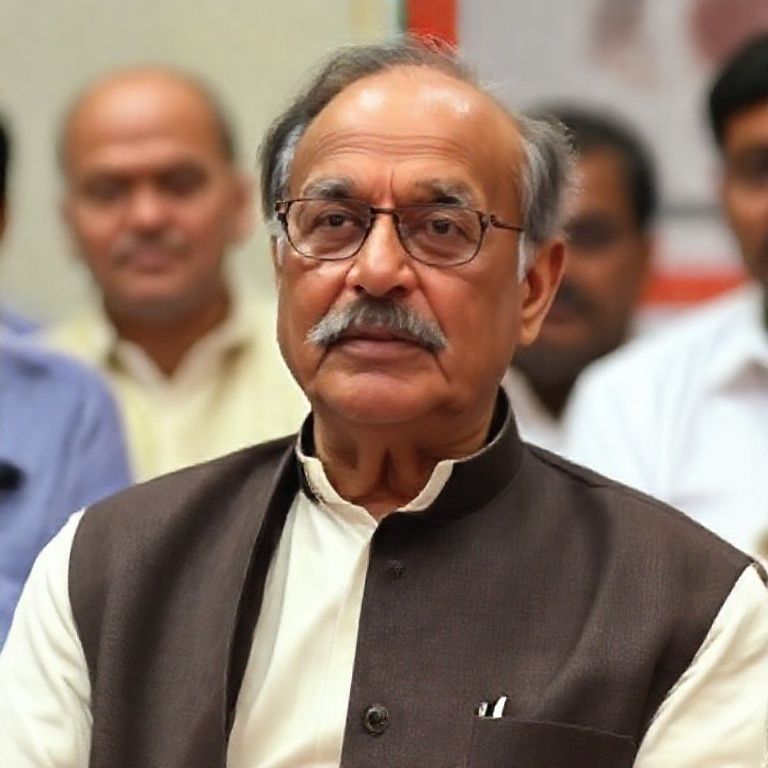
In a surprising turn of events, Congress leader Digvijaya Singh recently commended the organizational strength of the Rashtriya Swayamsevak Sangh (RSS) and the Bharatiya Janata Party (BJP). His remarks, made during a Congress Working Committee (CWC) meeting, have ignited a heated debate within the party. Singh's comments focused on Prime Minister Narendra Modi's rise from grassroots politics, which he argued should serve as a model for Congress.
Singh's Advocacy for Decentralization
During the CWC meeting, Singh emphasized the need for decentralization within the Congress party. He criticized the current structure, which he described as overly centralized. Singh believes that a more decentralized approach could empower local leaders and enhance the party's effectiveness. His call for change reflects a growing concern among party members about the need to adapt to the evolving political landscape.
Singh's remarks were not merely a critique of Congress's internal dynamics. They also highlighted the importance of grassroots engagement in politics. By praising Modi's journey, Singh suggested that Congress could learn from the BJP's ability to connect with voters at the local level. This perspective has resonated with some party members who feel that Congress has lost touch with its base.
BJP's Response to Singh's Comments
The BJP quickly seized upon Singh's comments to launch an attack on the Congress leadership. Party spokespersons framed Singh's praise as an admission of Congress's failures. They argued that if a senior Congress leader acknowledges the BJP's organizational prowess, it reflects poorly on the party's ability to compete in the current political environment.
BJP leaders pointed out that Singh's remarks underscore a broader narrative: the Congress party is struggling to maintain relevance. They contrasted Singh's acknowledgment of Modi's rise with the challenges faced by Congress in recent elections. The BJP's strategy appears to be aimed at reinforcing the perception that Congress is out of touch and unable to adapt to the changing political landscape.
Internal Reactions Within Congress
Singh's comments have sparked mixed reactions within Congress. Some party members support his call for decentralization and believe it could rejuvenate the party. They argue that empowering local leaders could lead to a more dynamic and responsive organization. Others, however, view Singh's praise of the BJP as a betrayal. They worry that such comments could undermine the party's efforts to present a united front against the BJP.
The internal debate reflects a broader struggle within Congress. The party has faced significant electoral setbacks in recent years, leading to questions about its leadership and strategy. Singh's remarks may have opened a Pandora's box, prompting discussions about the party's direction and its ability to connect with voters.
The Role of Leadership in Congress
Leadership dynamics within Congress are under scrutiny. Singh's comments raise questions about the effectiveness of the current leadership structure. Many party members are calling for a reevaluation of how decisions are made and how leaders are chosen. They argue that a more inclusive approach could foster greater engagement and loyalty among party workers.
The contrast between Singh's vision and the current leadership's approach is stark. While Singh advocates for a more grassroots-oriented strategy, the leadership has often been criticized for its top-down decision-making style. This disconnect could hinder the party's ability to mobilize support and respond to the needs of its constituents.
The Importance of Grassroots Engagement
Singh's emphasis on grassroots engagement is particularly relevant in today's political climate. Voter preferences are shifting, and parties must adapt to remain relevant. The BJP has successfully built a strong grassroots network, allowing it to connect with voters on a personal level. Singh's acknowledgment of this strategy highlights the need for Congress to reassess its approach.
Engaging with local communities is essential for any political party. It fosters trust and builds relationships that can translate into electoral support. Singh's call for decentralization could be a step toward revitalizing Congress's connection with its base. However, implementing such changes will require a significant shift in mindset and strategy.
The Future of Congress
As the debate continues within Congress, the party faces critical decisions about its future. Singh's remarks have opened up discussions about leadership, strategy, and the importance of grassroots engagement. The party must navigate these internal challenges while also responding to external pressures from the BJP.
The coming months will be crucial for Congress as it seeks to redefine its identity and reconnect with voters. Singh's comments may serve as a catalyst for change, prompting party leaders to consider new approaches to governance and engagement. The outcome of this internal debate could shape the party's trajectory in the lead-up to future elections.
In summary, Digvijaya Singh's praise for the RSS-BJP has sparked a significant internal debate within Congress. His call for decentralization and grassroots engagement resonates with some party members, while others view it as a betrayal. The BJP's response underscores the challenges Congress faces in maintaining its relevance. As the party grapples with these issues, the future of its leadership and strategy remains uncertain.
Source:

