Pollution Crisis Deepens in Delhi-NCR as GRAP-IV Restrictions Reim
NewsPollution Crisis Deepens in Delhi-NCR as GRAP-IV Restrictions Reimposed
Air Quality Declines to 'Severe' Category, Prompting Stringent Measures
India, January 17, 2026, Saturday, 2026
India, October 25, 2023, Wednesday, 2023
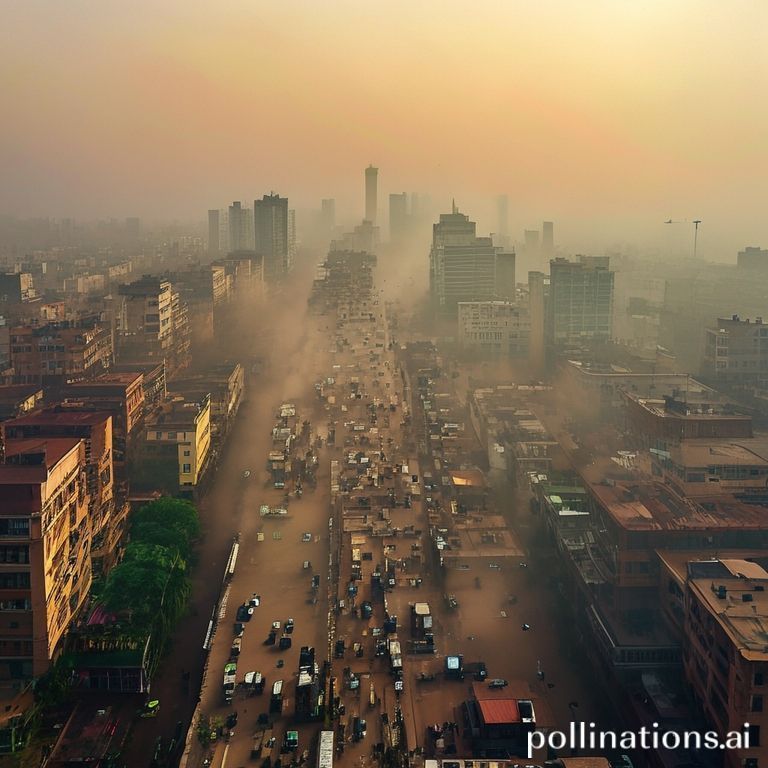
Delhi-NCR is facing a significant air quality crisis as pollution levels have deteriorated, pushing the region into the 'severe' category. The Commission for Air Quality Management (CAQM) has responded by reimposing the GRAP-IV restrictions. This decision comes on the heels of the earlier implementation of GRAP-III measures, indicating a worsening situation that requires immediate action.
Understanding GRAP-IV
The Graded Response Action Plan (GRAP) is a set of emergency measures designed to combat air pollution in Delhi and its neighboring areas. Under Stage IV, the restrictions become more stringent. Specifically, older vehicles, including BS-III petrol and BS-IV diesel models, are prohibited from operating on the roads. However, exceptions are made for essential services, ensuring that critical operations can continue despite the restrictions.
Current Air Quality Status
Recent data shows that air quality in Delhi-NCR has sharply declined. The Air Quality Index (AQI) readings have consistently indicated levels that fall within the 'severe' category. This alarming trend poses serious health risks to residents, particularly vulnerable populations such as children, the elderly, and those with pre-existing health conditions.
The CAQM's decision to escalate the response to GRAP-IV reflects the urgency of the situation. Authorities are aware that prolonged exposure to severe air pollution can lead to respiratory issues, cardiovascular diseases, and other health complications.
Existing Measures Under GRAP
While GRAP-IV introduces new restrictions, it is essential to note that existing measures under GRAP-III remain in effect. These include a ban on construction activities, the closure of brick kilns, and restrictions on industrial emissions. The combination of these measures aims to reduce pollution levels effectively.
Public Response and Compliance
The public's response to the reimposition of GRAP-IV has been mixed. Many residents express frustration over the recurring pollution crisis, while others understand the necessity of these measures. Compliance with the restrictions will be crucial in mitigating the air quality crisis. Authorities are expected to increase monitoring and enforcement to ensure that the rules are followed.
Impact on Daily Life
The reimposition of GRAP-IV restrictions will undoubtedly affect daily life in Delhi-NCR. Commuters may face challenges due to the ban on older vehicles. Public transportation options may see an increase in demand as residents seek alternatives to private vehicles. Additionally, businesses that rely on transportation may need to adjust their operations to comply with the new regulations.
Health Advisory Issued
In light of the severe air quality, health authorities have issued advisories urging residents to limit outdoor activities. They recommend wearing masks when going outside and using air purifiers indoors. Vulnerable groups are particularly advised to stay indoors as much as possible.
Government Initiatives
The government is also exploring long-term solutions to address the persistent air quality issues in Delhi-NCR. Initiatives include promoting electric vehicles, enhancing public transportation infrastructure, and increasing green spaces within the city. These measures aim to create a sustainable environment that can withstand the challenges posed by pollution.
Community Engagement
Community engagement plays a vital role in combating air pollution. Local organizations and residents are encouraged to participate in awareness campaigns. These initiatives aim to educate the public about the importance of reducing emissions and adopting eco-friendly practices.
Future Outlook
As the winter months approach, the situation may worsen due to weather conditions that trap pollutants close to the ground. Authorities are preparing for this possibility and are committed to implementing additional measures if necessary. The focus remains on protecting public health while striving for cleaner air in the region.
In summary, the reimposition of GRAP-IV restrictions in Delhi-NCR highlights the urgent need to address the air quality crisis. With the air quality slipping into the 'severe' category, the CAQM's actions reflect a proactive approach to safeguard the health of residents. The combination of immediate restrictions and long-term strategies will be crucial in tackling this ongoing challenge.
Source:

