Delhi Car Blast Unveils Wider Terror Plot
NewsDelhi Car Blast Unveils Wider Terror Plot
NIA Investigates Links to Drone Attacks and Rocket Manufacturing
India, November 18, 2025, Tuesday, 2025
India, October 12, 2023, Thursday, 2023
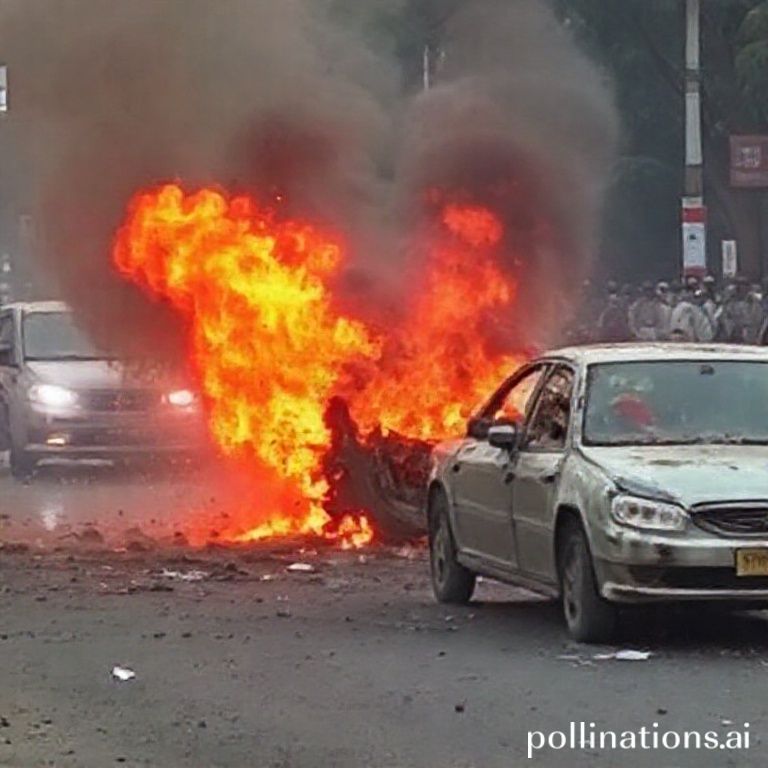
The National Investigation Agency (NIA) has made significant strides in its investigation into the recent car blast in Delhi. The agency has arrested a second suspect, Jasir Bilal Wani, a Kashmiri man, in connection with the Red Fort suicide bombing case. This arrest has raised alarms about a broader terror plot that appears to be inspired by tactics used by groups like Hamas.
The NIA's findings indicate that the module involved in the car blast is linked to the militant group Jaish-e-Mohammed. This connection suggests a coordinated effort to carry out attacks similar to those seen in conflict zones, particularly through the use of drones and improvised explosive devices (IEDs).
Arrest Details
Wani's arrest follows the apprehension of another suspect earlier this week. Authorities believe that Wani played a crucial role in providing technical support for the modification of drones and the construction of small rockets. These devices were intended for use in a series of planned explosions across the capital.
The NIA has uncovered evidence that the group was actively working on developing drone technology to facilitate attacks. This method of warfare has gained popularity among various militant organizations, as it allows for precision strikes while minimizing the risk to the attackers.
Technical Support and Drone Modifications
Wani's expertise in technology has raised concerns among investigators. He allegedly assisted in the modification of drones to enhance their payload capacity and range. This capability would enable the group to launch attacks from a distance, making it harder for security forces to intercept them.
The NIA has also revealed that the group was in the process of building small rockets. These rockets were designed to be used in conjunction with the drones, creating a multi-faceted approach to their planned assaults. The combination of drones and rockets represents a significant escalation in the capabilities of domestic terror groups.
Inspiration from Global Conflicts
The tactics being employed by this group mirror those used by Hamas in its operations. The NIA's investigation suggests that the module was studying successful attacks in conflict zones to replicate them in India. This trend highlights the increasing sophistication of local terror networks and their willingness to adopt advanced techniques.
Security experts warn that this shift in strategy poses a serious threat to national security. The use of drones for attacks is not only innovative but also challenging for law enforcement to counter. Traditional methods of surveillance and interception may prove ineffective against such tactics.
Broader Implications
The implications of these findings extend beyond the immediate threat posed by the arrested individuals. The NIA's investigation raises questions about the extent of radicalization in certain communities and the potential for further recruitment into militant activities. Authorities are now focusing on identifying additional members of the module and their connections.
The agency is also examining the funding sources for these operations. Understanding how these groups finance their activities is crucial for dismantling their networks. The NIA is working closely with financial institutions to track suspicious transactions that may be linked to the terror plot.
Community Response
The recent arrests have sparked a mixed reaction within the community. Some residents express concern over the potential for increased security measures, while others are relieved that authorities are taking decisive action against terrorism. Community leaders are urging vigilance and cooperation with law enforcement to prevent further incidents.
Local authorities are ramping up security measures in sensitive areas, particularly around landmarks and crowded public spaces. Increased patrols and surveillance are being implemented to deter potential attacks. The NIA is also collaborating with local police to enhance intelligence-sharing and response strategies.
International Concerns
The situation in Delhi has drawn attention from international observers. The use of drone technology in domestic terrorism raises alarms about the potential for similar tactics to spread to other regions. Countries facing similar threats are closely monitoring developments in India.
Experts believe that a coordinated international response may be necessary to address the growing trend of drone warfare in terrorism. Sharing intelligence and best practices could help nations better prepare for and counter these emerging threats.
Future Investigations
As the NIA continues its investigation, more arrests are likely. The agency is committed to uncovering the full extent of the plot and dismantling the network behind it. Investigators are pursuing leads that may connect this module to other terrorist organizations operating in the region.
The agency is also focusing on the technological aspects of the operation. Understanding the methods used to modify drones and construct rockets will be crucial for preventing future attacks. The NIA is collaborating with experts in technology and counter-terrorism to develop strategies for countering these threats.
In summary, the recent developments in the Delhi car blast investigation reveal a complex and alarming picture of domestic terrorism. The NIA's efforts to uncover the links between local militants and global tactics underscore the evolving nature of threats faced by India. As authorities work to address these challenges, the need for vigilance and cooperation remains paramount.
Source:

