Delhi Air Quality Improves Slightly but Remains a Concern
NewsDelhi Air Quality Improves Slightly but Remains a Concern
Temporary Relief as AQI Drops to 234 from 'Very Poor' Category
India, December 25, 2025, Thursday, 2025
India, October 25, 2023, Wednesday, 2023
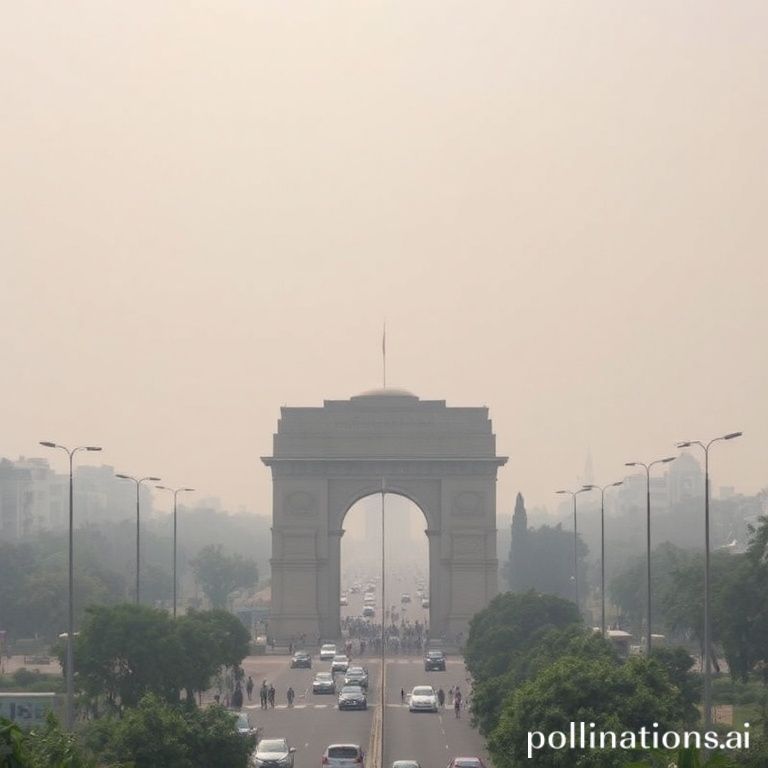
Delhi's air quality has shown a slight improvement over the past two days. The Air Quality Index (AQI) has dropped to 234, moving from the 'severe' category to 'poor.' This change brings a momentary sense of relief to residents. However, the situation remains precarious, with many areas still grappling with unhealthy air conditions.
Current Air Quality Status
The recent data indicates that while some regions in Delhi are experiencing 'moderate' air quality, others continue to suffer from 'poor' or 'very poor' levels. The AQI readings vary significantly across the city. Areas such as Anand Vihar and ITO report higher pollution levels, while regions like Dwarka and Rohini show slightly better air quality.
The fluctuation in air quality highlights the ongoing challenges faced by the capital. Despite the temporary drop in pollution levels, experts warn that the improvement may not last long.
Sources of Pollution
Vehicular emissions remain a significant contributor to Delhi's air quality issues. The dense traffic in the city leads to increased levels of nitrogen dioxide and particulate matter. Additionally, pollution from neighboring National Capital Region (NCR) districts exacerbates the situation. Industrial activities and construction work in these areas contribute to the overall air quality deterioration.
Meteorological conditions also play a role. Weather patterns, including wind speed and direction, can either disperse pollutants or trap them close to the ground. During periods of low wind, pollutants accumulate, leading to higher AQI levels.
Forecasts and Future Outlook
Meteorologists predict a potential return to 'very poor' air quality conditions in the coming days. Factors such as stagnant weather and increased vehicular traffic could lead to a spike in pollution levels. Residents are advised to stay informed about air quality updates and take necessary precautions.
Health Implications
Poor air quality poses serious health risks. Vulnerable populations, including children, the elderly, and individuals with pre-existing health conditions, are particularly at risk. Exposure to high levels of air pollution can lead to respiratory issues, cardiovascular diseases, and other health complications.
Health experts recommend limiting outdoor activities, especially during peak pollution hours. Wearing masks and using air purifiers indoors can help mitigate some of the adverse effects of poor air quality.
Government Response
The Delhi government has implemented various measures to combat air pollution. Initiatives include promoting public transportation, regulating construction activities, and increasing green cover in the city. However, the effectiveness of these measures often depends on public compliance and cooperation.
Public awareness campaigns aim to educate residents about the importance of reducing emissions. Encouraging the use of bicycles and electric vehicles can also contribute to cleaner air.
Community Involvement
Community involvement is crucial in addressing air quality issues. Local organizations and residents are encouraged to participate in tree-planting drives and clean-up campaigns. Such initiatives not only improve air quality but also foster a sense of community responsibility.
The role of schools and educational institutions is vital in raising awareness among younger generations. Teaching children about the importance of environmental conservation can lead to long-term positive changes in behavior.
Technological Innovations
Advancements in technology offer new solutions for monitoring and improving air quality. Smart sensors can provide real-time data on pollution levels, helping residents make informed decisions. Additionally, innovations in clean energy and transportation can significantly reduce emissions.
Collaboration between government agencies, private sectors, and research institutions is essential for developing effective strategies. Investing in sustainable technologies can pave the way for a cleaner and healthier environment.
Public Sentiment
Residents express mixed feelings about the recent improvement in air quality. While some welcome the temporary relief, others remain skeptical about the long-term effectiveness of government measures. Many are frustrated by the recurring cycle of pollution and temporary fixes.
Social media platforms serve as a space for residents to voice their concerns and share experiences. The collective frustration often leads to calls for more stringent regulations and accountability from authorities.
In summary, while Delhi's air quality has improved slightly, the situation remains critical. The AQI drop to 234 offers temporary relief, but the underlying issues persist. Continued efforts from both the government and the community are essential to address the ongoing air pollution crisis.
Source:

