Delhi Air Quality Crisis: GRAP-4 Restrictions Lifted Amid Ongoing
NewsDelhi Air Quality Crisis: GRAP-4 Restrictions Lifted Amid Ongoing Concerns
Stage I–III Measures Remain in Effect as AQI Levels Stay 'Very Poor'
India, December 24, 2025, Wednesday, 2025
India, October 25, 2023, Wednesday, 2023
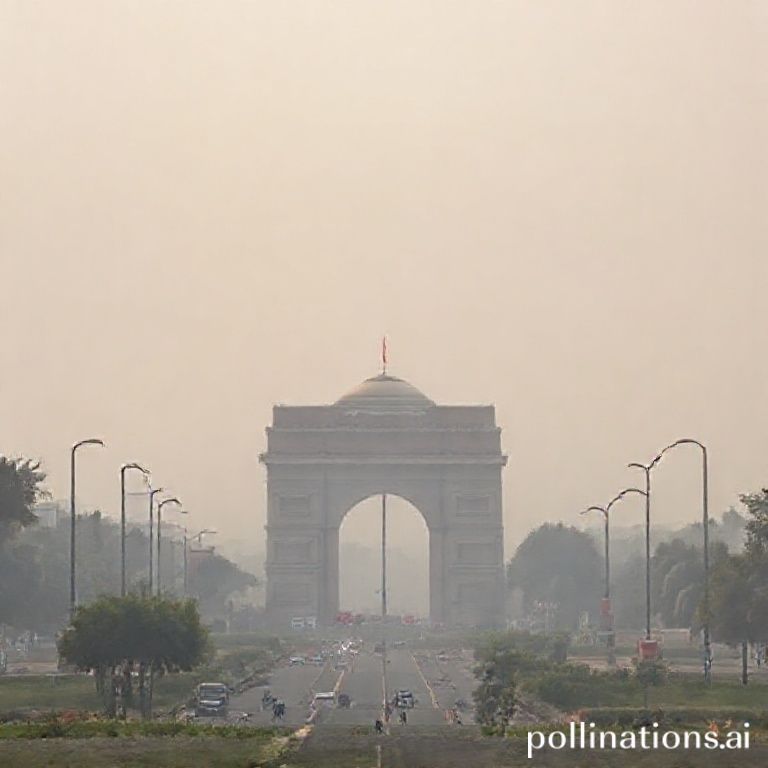
The Commission for Air Quality Management (CAQM) has made a significant decision regarding air quality restrictions in Delhi. Effective immediately, the CAQM lifted the GRAP-IV restrictions. This decision comes despite the fact that air quality in many areas of the city remains in the 'very poor' category, with Air Quality Index (AQI) levels surpassing 350.
The GRAP, or Graded Response Action Plan, is a set of measures designed to combat air pollution in Delhi and the National Capital Region (NCR). The lifting of GRAP-IV restrictions raises concerns among residents and environmentalists alike. While the strictest measures have been withdrawn, the CAQM has decided to maintain Stage I, II, and III measures under a modified version of the GRAP.
High Court Intervention
This decision follows a recent intervention by the Delhi High Court. The court expressed its dissatisfaction with the Centre's handling of air quality issues. It emphasized the need for immediate action to address the deteriorating air quality in the capital. The court's remarks highlighted the urgency of the situation, prompting the CAQM to reconsider its approach.
Current Air Quality Status
As of now, several areas in Delhi continue to experience alarming AQI levels. The AQI readings have consistently remained in the 'very poor' category, indicating a serious health risk for residents. The pollution levels have raised alarms among health experts, who warn of the potential long-term effects on public health.
The CAQM's decision to lift GRAP-IV restrictions has sparked a debate about the effectiveness of the measures in place. Critics argue that the withdrawal of these restrictions could exacerbate the already dire situation. They point out that the air quality crisis is not just a seasonal issue but a persistent problem that requires sustained efforts.
Stage I, II, and III Measures
Despite lifting GRAP-IV restrictions, the CAQM has opted to continue with Stage I, II, and III measures. These measures include restrictions on construction activities, the banning of certain types of vehicles, and the regulation of industrial emissions. The aim is to mitigate pollution levels and protect public health.
Stage I measures focus on immediate actions, such as increasing public awareness about air quality and encouraging the use of public transportation. Stage II measures involve stricter regulations on construction activities and industrial emissions. Stage III measures are more stringent, including a complete ban on construction and demolition activities in certain areas.
Public Reaction
The public reaction to the CAQM's decision has been mixed. Many residents express frustration over the ongoing air quality crisis. They feel that lifting GRAP-IV restrictions sends the wrong message. Environmental activists have voiced their concerns, stating that the government must prioritize public health over economic activities.
On the other hand, some business owners welcome the lifting of restrictions. They argue that the measures have hindered economic growth and job creation. They believe that a balanced approach is necessary to address both air quality and economic concerns.
Government's Responsibility
The government faces mounting pressure to take decisive action. Experts emphasize the need for a comprehensive strategy to tackle air pollution. This includes not only immediate measures but also long-term solutions. Investments in green technology, stricter emissions standards, and public transportation improvements are crucial.
The CAQM's decision to maintain Stage I, II, and III measures is a step in the right direction. However, many believe that more aggressive actions are needed. The government must engage with stakeholders, including environmental groups, health experts, and the public, to develop effective solutions.
Health Implications
The health implications of poor air quality are severe. Studies have linked high levels of air pollution to respiratory diseases, cardiovascular problems, and other health issues. Vulnerable populations, including children and the elderly, are particularly at risk.
Health experts urge residents to take precautions during periods of high pollution. They recommend wearing masks, using air purifiers, and limiting outdoor activities. Public health campaigns can help raise awareness about the dangers of air pollution and encourage protective measures.
Looking Ahead
As Delhi grapples with its air quality crisis, the need for a coordinated response becomes increasingly clear. The CAQM's decision to lift GRAP-IV restrictions while maintaining other measures reflects the complexity of the situation. Balancing public health and economic interests will require careful planning and collaboration.
The Delhi High Court's intervention serves as a reminder of the urgency of the issue. The government must act swiftly to implement effective measures that will lead to lasting improvements in air quality. The health and well-being of millions of residents depend on it.
In summary, while the lifting of GRAP-IV restrictions may provide some relief to businesses, the ongoing air quality crisis demands immediate and sustained action. The CAQM's decision to continue with Stage I, II, and III measures is a necessary step, but it is only the beginning of a much larger effort to combat air pollution in Delhi.
Source:

