Congress Leaders Criticize Tharoor Over Putin Dinner Invitation
NewsCongress Leaders Criticize Tharoor Over Putin Dinner Invitation
Tensions Rise as Party Members Question Decision and Government Intentions
India, December 5, 2025, Friday, 2025
India, October 10, 2023, Tuesday, 2023
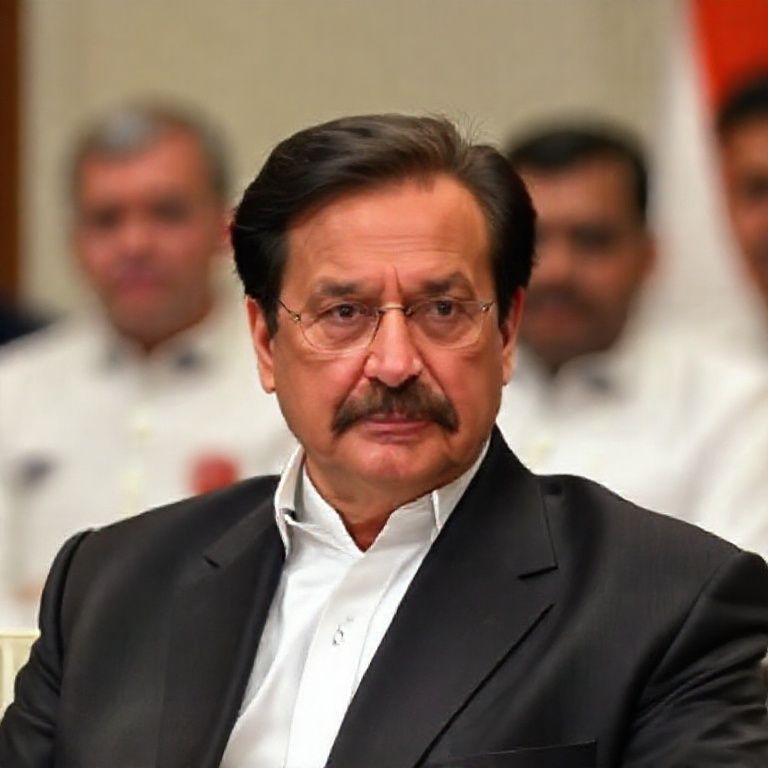
The political landscape in India has become increasingly contentious as Congress leaders express their discontent with Member of Parliament Shashi Tharoor. The criticism centers around Tharoor's acceptance of an invitation to a Presidential dinner honoring Russian President Vladimir Putin. This decision has sparked a heated debate within the party, particularly as prominent figures like Rahul Gandhi and Mallikarjun Kharge were notably excluded from the event.
Internal Party Dynamics
The invitation to the dinner has raised eyebrows among Congress leaders. Many view Tharoor's acceptance as a significant misstep. They argue that it undermines the party's collective stance and raises questions about loyalty and unity. The absence of key leaders like Gandhi and Kharge from such a high-profile event further complicates the situation.
Tharoor's decision has led to accusations of a lack of sensitivity to the party's broader goals. Critics within Congress assert that attending a dinner for a leader like Putin, especially given the current geopolitical climate, sends the wrong message. They emphasize that it appears to disregard the party's commitment to democratic values and principles.
Questioning Government Intentions
The controversy surrounding Tharoor's invitation also highlights deeper concerns regarding the government's intentions. Congress leaders have voiced their apprehensions about the implications of engaging with a leader like Putin, particularly in light of ongoing international tensions. They argue that the invitation reflects a troubling alignment with authoritarian regimes.
Leaders within the party have called for a more principled approach to foreign relations. They believe that engaging with leaders who have faced international condemnation can damage India's reputation on the global stage. The dinner invitation has become a focal point for discussions about the direction of Indian foreign policy and the role of the opposition in shaping it.
Tharoor's Response
In the face of mounting criticism, Tharoor has defended his decision to attend the dinner. He argues that engaging with world leaders is essential for diplomacy and fostering international relations. Tharoor emphasizes that dialogue is crucial, even with leaders who may not align with democratic ideals.
His stance has not quelled the dissent within Congress. Many party members remain unconvinced by his arguments. They believe that attending such events should be approached with caution, especially when it involves leaders with controversial reputations.
The Broader Implications
The fallout from this incident extends beyond Tharoor and the dinner invitation. It raises questions about the future of Congress as a united front. The party has faced internal divisions in recent years, and this latest controversy may exacerbate existing tensions.
Some party members worry that Tharoor's actions could set a precedent for future engagements with controversial figures. They fear that it may signal a willingness to compromise on core values for the sake of political expediency. This concern resonates with many within the party who prioritize a principled approach to governance.
Public Perception
The public's reaction to this controversy is also noteworthy. Many citizens are closely watching how Congress navigates this situation. The party's ability to present a cohesive message will be crucial in maintaining public trust.
As the debate unfolds, public opinion may sway based on how effectively Congress addresses the concerns raised by Tharoor's decision. The party's leadership must carefully consider their next steps to avoid further alienating their base.
The Role of Leadership
Leadership within Congress is under scrutiny as this situation develops. The party's top figures must demonstrate their commitment to democratic values while also managing internal dissent. The challenge lies in balancing the need for unity with the necessity of addressing differing viewpoints.
Gandhi and Kharge's exclusion from the dinner has raised questions about their influence within the party. Their absence may signal a rift in leadership dynamics that could have lasting implications for Congress.
Moving Forward
As the situation continues to evolve, Congress leaders are likely to engage in discussions about their approach to foreign relations and internal cohesion. The party must navigate the complexities of maintaining a united front while addressing the concerns of its members.
Tharoor's decision to attend the dinner with Putin may serve as a catalyst for broader conversations about the party's identity and values. The implications of this incident could resonate for some time, shaping the future of Congress and its role in Indian politics.
In the coming days, it will be essential for Congress to articulate a clear stance on this issue. The party's response will not only impact its internal dynamics but also influence public perception and trust. As leaders grapple with these challenges, the focus will remain on how they can effectively represent their constituents while upholding the principles of democracy.
The dinner invitation has opened a Pandora's box of discussions within Congress. The party's ability to address these issues head-on will determine its trajectory in the months ahead.
Source:

