Opposition Criticizes Chhattisgarh Government Over Paddy Disappear
NewsOpposition Criticizes Chhattisgarh Government Over Paddy Disappearance
Allegations of Mismanagement Spark Controversy
India, January 16, 2026, Friday, 2026
India, October 15, 2023, Sunday, 2023
The political landscape in Chhattisgarh has become increasingly contentious as opposition parties accuse the state government of mismanagement regarding the recent disappearance of paddy crops. The situation has escalated with the emergence of a controversial theory suggesting that rats are responsible for the vanishing paddy. This claim has drawn sharp criticism from various political factions, who argue that it reflects a deeper issue of governance and accountability.
Rising Concerns Over Paddy Shortage
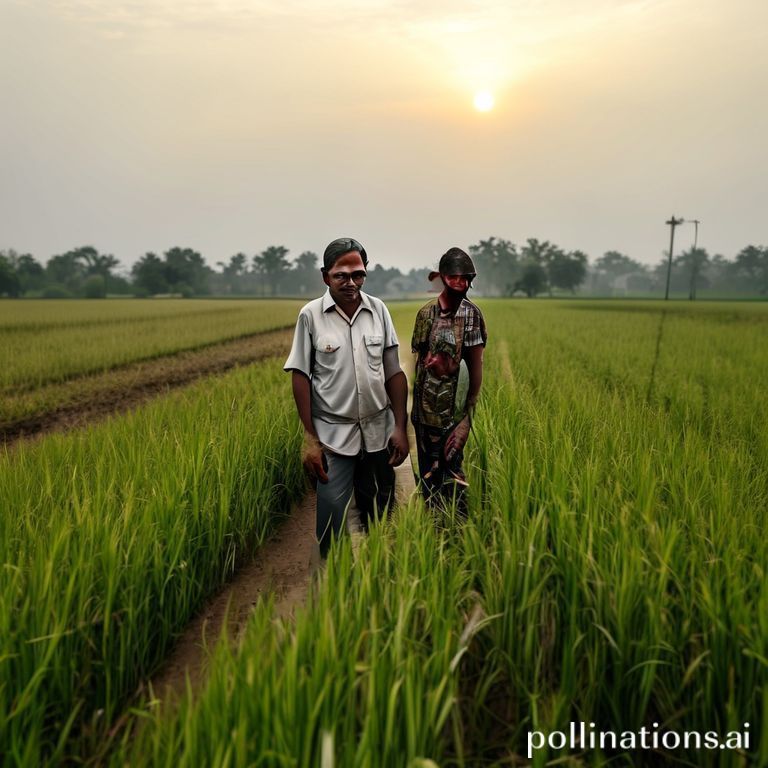
Farmers in Chhattisgarh have reported significant losses in their paddy yields this season. Many have expressed frustration over the government's inability to address the issue effectively. The opposition parties have seized upon this opportunity to highlight what they perceive as a failure of the ruling government to protect the interests of farmers.
The paddy crop is a staple in Chhattisgarh, and its disappearance has raised alarm bells among agricultural communities. Farmers are worried about their livelihoods and the potential impact on food security in the region. The opposition has called for immediate action to investigate the situation and provide relief to affected farmers.
The Rat Theory: A Controversial Explanation
The state government's explanation for the paddy loss has been met with skepticism. Officials have suggested that rats are to blame for the disappearance of the crops. This theory has been ridiculed by opposition leaders, who argue that it is an attempt to deflect responsibility from the government's failures.
Critics have pointed out that attributing the loss of paddy to rodents is not only absurd but also indicative of a lack of serious engagement with the agricultural crisis. They argue that the government should focus on addressing the root causes of the problem rather than offering flimsy excuses.
Political Reactions and Accusations
The opposition has been vocal in its condemnation of the government's handling of the situation. Leaders from various parties have taken to social media and public forums to express their outrage. They accuse the ruling party of neglecting the agricultural sector and failing to implement effective policies to support farmers.
One prominent opposition leader stated, "Blaming rats for the loss of paddy is an insult to the intelligence of our farmers. This government needs to take responsibility for its actions." Such statements resonate with many in the agricultural community, who feel abandoned by their leaders.
Calls for Accountability
In light of the ongoing crisis, opposition parties are demanding accountability from the state government. They are urging officials to conduct a thorough investigation into the paddy disappearance and to provide transparent reports on the findings. Farmers are calling for compensation for their losses and for the government to implement measures to prevent future crop failures.
The opposition has also proposed a series of reforms aimed at improving agricultural practices and ensuring better support for farmers. These proposals include increasing investment in irrigation, providing access to quality seeds, and enhancing pest control measures. They argue that these steps are essential for safeguarding the livelihoods of farmers in Chhattisgarh.
Government's Response
In response to the mounting criticism, the Chhattisgarh government has defended its actions. Officials claim that they are actively working to address the concerns of farmers and that they have implemented various programs to support the agricultural sector. They assert that the rat theory is based on preliminary assessments and that further investigations are underway.
However, many remain unconvinced by the government's assurances. Farmers continue to express their dissatisfaction with the current administration's approach to the agricultural crisis. They argue that more concrete actions are needed to restore their faith in the government's commitment to their welfare.
The Role of Media
The media has played a crucial role in bringing attention to the plight of farmers in Chhattisgarh. Reports highlighting the paddy crisis have sparked public discourse and prompted political leaders to take a stand. Journalists have been investigating the situation, seeking to uncover the truth behind the paddy disappearance and the government's response.
As the situation develops, the media's role in holding the government accountable will be vital. Investigative reporting can shed light on the complexities of the agricultural crisis and the challenges faced by farmers. This scrutiny may pressure the government to take more decisive action.
Public Sentiment
Public sentiment in Chhattisgarh is shifting as the paddy crisis unfolds. Many citizens are beginning to question the effectiveness of the current government. The opposition's narrative is gaining traction, particularly among those directly affected by the agricultural losses.
Farmers are organizing protests and rallies to voice their concerns. They are demanding that their voices be heard and that the government take immediate steps to address their grievances. The growing unrest among the agricultural community could have significant implications for the ruling party in future elections.
Looking Ahead
As the political battle intensifies, the fate of Chhattisgarh's farmers hangs in the balance. The opposition's criticism of the government over the paddy crisis is likely to continue, especially if the situation does not improve. The pressure on the ruling party to respond effectively will only increase as public awareness grows.
The coming weeks will be crucial for both the government and the opposition. How they navigate this crisis will shape the political landscape in Chhattisgarh. Farmers are watching closely, and their demands for accountability and support will not be easily dismissed. The outcome of this situation could have lasting effects on the state's agricultural policies and the future of its farming community.
Source:

