Chandra Bose Joins TMC, Criticizes BJP’s Communal Policies
NewsChandra Bose Joins TMC, Criticizes BJP's Communal Policies
Grandnephew of Subhas Chandra Bose Takes a Stand Against Political Tactics
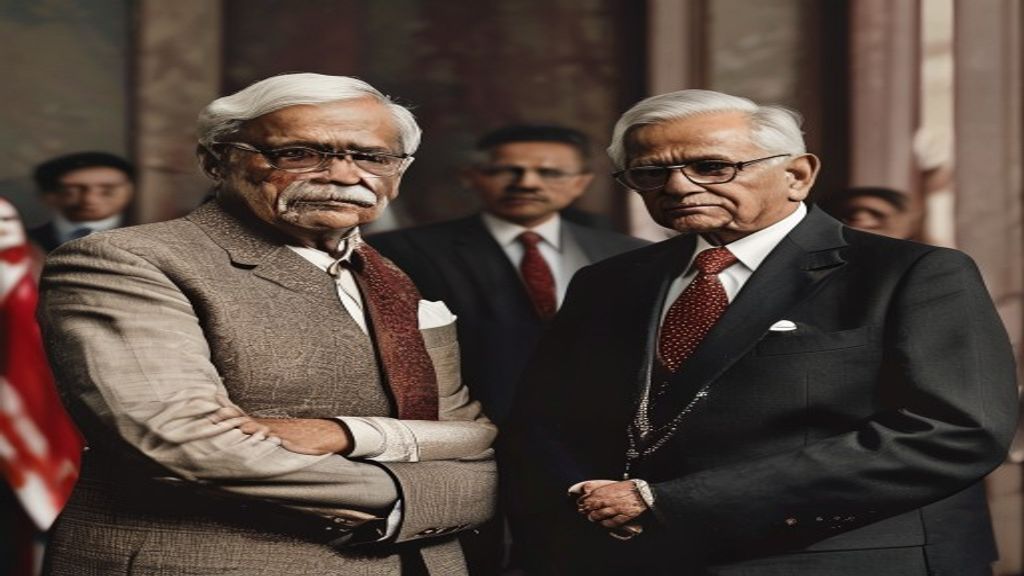
Chandra Bose, the grandnephew of the legendary freedom fighter Subhas Chandra Bose, has made headlines by joining the Trinamool Congress (TMC) after leaving the Bharatiya Janata Party (BJP). His decision comes amid rising tensions in West Bengal's political landscape. Bose's departure from the BJP is marked by strong criticism of the party's policies, which he describes as "blatantly communal and anti-Constitution."
Bose's Transition to TMC
Chandra Bose's transition to the TMC signals a significant shift in his political alignment. He has been vocal about his discontent with the BJP's approach to governance. In his statements, he emphasized that the BJP has been exploiting religious sentiments for electoral gains. This tactic, he argues, mirrors the divisive strategies employed during British colonial rule in India.
Bose's remarks resonate with many who feel that the BJP's policies have fostered division rather than unity. He believes that the party's focus on religion undermines the secular fabric of the nation. By joining the TMC, Bose aims to promote a more inclusive political environment.
Critique of BJP's Tactics
During his announcement, Bose did not hold back in his critique of the BJP. He accused the party of using the "religion card" to manipulate voters. This strategy, he claims, distracts from pressing issues such as unemployment, inflation, and social justice. He argues that the BJP's focus on religious identity politics is detrimental to the country's progress.
Bose's comparison of the BJP's tactics to those of the British colonial rulers highlights his concerns about the erosion of democratic values. He believes that the BJP's actions threaten the very foundation of the Indian Constitution. His call to action is clear: it is time to drive out the BJP, just as India once expelled the British.
Political Landscape in West Bengal
The political landscape in West Bengal has been tumultuous in recent years. The TMC, led by Chief Minister Mamata Banerjee, has been at odds with the BJP, which has made significant inroads in the state. The BJP's rise has been marked by aggressive campaigning and a focus on Hindutva, which has polarized voters.
Bose's entry into the TMC could shift the dynamics of the political scene. His family legacy carries weight, and his alignment with the TMC may attract supporters who are disillusioned with the BJP. The TMC has positioned itself as a champion of secularism and regional pride, contrasting sharply with the BJP's nationalistic rhetoric.
Bose's Vision for the Future
Chandra Bose envisions a future where politics is rooted in inclusivity and respect for all communities. He advocates for policies that prioritize economic development and social welfare. His focus is on addressing the needs of the marginalized and ensuring that every citizen has a voice in the democratic process.
Bose's commitment to these ideals is evident in his speeches. He emphasizes the importance of unity among diverse communities in West Bengal. He believes that only through collaboration can the state overcome its challenges and thrive.
The Role of Legacy
The legacy of Subhas Chandra Bose looms large in Indian politics. His ideals of freedom, equality, and justice continue to inspire many. Chandra Bose's decision to join the TMC is not just a personal choice; it is also a reflection of his desire to honor his grandfather's legacy.
By aligning with the TMC, Bose aims to carry forward the values that his family has championed for generations. He sees this as an opportunity to contribute positively to the political discourse in West Bengal. His family history adds a layer of significance to his political journey.
Public Reaction
The public reaction to Chandra Bose's move has been mixed. Supporters of the TMC have welcomed him with open arms, viewing his presence as a boost to the party's credibility. They believe that his experience and family background will strengthen the TMC's position in the upcoming elections.
Conversely, BJP supporters have expressed disappointment. They see Bose's departure as a loss for the party and question his motivations. Some critics argue that his criticisms of the BJP are politically motivated rather than genuine concerns.
Looking Ahead
As West Bengal approaches its next elections, the political landscape is becoming increasingly competitive. Chandra Bose's decision to join the TMC adds another layer of complexity to the race. His presence may influence voter sentiment and impact the strategies of both the TMC and the BJP.
The TMC is likely to leverage Bose's legacy to rally support. His family name carries historical significance, and the party may use it to appeal to voters who value tradition and heritage. Meanwhile, the BJP will need to reassess its approach to counter the narrative that Bose is helping to shape.
In this evolving political scenario, Chandra Bose's role will be crucial. His ability to connect with voters and articulate a vision for the future will determine his impact on the TMC and the broader political landscape in West Bengal. As the elections draw nearer, all eyes will be on how this new alliance unfolds.
Source: