Cash Transfers to Women Expand Rapidly Across India
NewsCash Transfers to Women Expand Rapidly Across India
A Transformative Welfare Initiative Reaches 15 States in Just Five Years
India, December 24, 2025, Wednesday, 2025
India, October 25, 2023, Wednesday, 2023
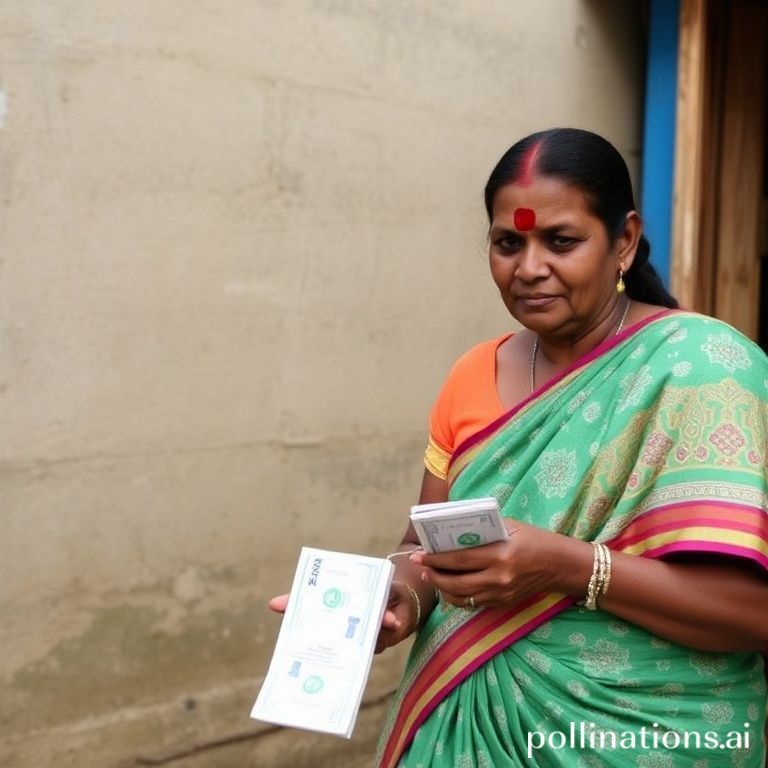
In recent years, India has witnessed a significant shift in its welfare policies, particularly concerning cash transfers to women. This initiative has expanded from just one state to an impressive 15 states within a mere five years. The program, which has allocated a staggering ₹2.46 lakh crore, aims to empower approximately 13 crore women across the country. This rapid growth not only reflects a commitment to gender equality but also reshapes household dynamics and state finances.
The Rise of Cash Transfers
Cash transfers have emerged as a vital tool in India's welfare strategy. Initially launched in a single state, the program has gained momentum, now covering 15 states. This expansion signifies a broader recognition of the role women play in economic stability and household decision-making. By providing direct financial support, the government aims to enhance women's financial independence and improve their overall quality of life.
The financial implications of this initiative are profound. With ₹2.46 lakh crore allocated, the program has the potential to transform the economic landscape for millions of families. Women, often the primary caregivers, can now access funds that allow them to make critical decisions regarding health, education, and nutrition. This shift in financial power can lead to improved outcomes for children and families, fostering a more equitable society.
Empowering Women
The cash transfer program is designed to empower women by providing them with direct access to financial resources. This approach recognizes that women often face barriers in accessing traditional financial systems. By bypassing these obstacles, the initiative enables women to take charge of their finances and make decisions that benefit their households.
Research indicates that when women control household finances, spending patterns shift positively. Women are more likely to invest in their children's education and health, leading to long-term benefits for families and communities. This empowerment is crucial in breaking the cycle of poverty and fostering economic growth.
State-Level Implementation
The implementation of cash transfers varies across states, reflecting local needs and priorities. Each state has tailored the program to address specific challenges faced by women in their regions. For instance, some states focus on agricultural support, while others emphasize education and health initiatives. This localized approach ensures that the program is relevant and effective.
States like Tamil Nadu and Uttar Pradesh have been at the forefront of this initiative. In Tamil Nadu, the government has integrated cash transfers with existing welfare schemes, creating a comprehensive support system for women. Meanwhile, Uttar Pradesh has launched targeted campaigns to raise awareness about the program, ensuring that eligible women can access the benefits.
Challenges and Criticisms
Despite its successes, the cash transfer program is not without challenges. Critics argue that the initiative may not reach all intended beneficiaries. Issues such as bureaucratic inefficiencies and lack of awareness can hinder access to funds. Additionally, some women may face social stigma when receiving financial assistance, which can deter participation.
Moreover, there are concerns about the sustainability of such large-scale financial commitments. As the program expands, questions arise regarding the long-term viability of funding. Ensuring that the initiative remains financially sustainable is crucial for its continued success.
The Role of Technology
Technology plays a pivotal role in the implementation of cash transfers. The use of digital platforms has streamlined the process, making it easier for women to access funds. Mobile banking and digital wallets have become essential tools in this initiative, allowing for quick and secure transactions.
Furthermore, technology facilitates better tracking and monitoring of the program. Data analytics can help identify gaps in service delivery and ensure that funds reach the intended recipients. This technological integration enhances transparency and accountability, fostering trust in the system.
Impact on Household Dynamics
The impact of cash transfers extends beyond financial empowerment. As women gain control over household finances, traditional gender roles begin to shift. Men and women are increasingly sharing responsibilities, leading to more equitable partnerships within families.
This shift can have a ripple effect on community dynamics. As women become more active participants in economic decision-making, their voices gain prominence in local governance and community affairs. This increased participation can lead to more inclusive decision-making processes and better representation of women's interests.
Future Prospects
Looking ahead, the cash transfer program has the potential to expand further. As more states recognize the benefits of empowering women through financial support, the initiative may reach even more households. Policymakers are exploring ways to enhance the program, including integrating it with other social welfare initiatives.
Additionally, there is a growing emphasis on measuring the program's impact. Evaluating outcomes will be essential in understanding the long-term effects of cash transfers on women's empowerment and household well-being. This data-driven approach can inform future policy decisions and ensure that the program continues to evolve in response to changing needs.
In conclusion, the rapid expansion of cash transfers to women in India marks a significant step towards gender equality and economic empowerment. With substantial financial resources allocated and a focus on local implementation, this initiative has the potential to reshape household dynamics and contribute to broader societal change. As the program continues to grow, its impact on women's lives and the economy will be closely watched.
Source:

