Bombay HC Grants Bail to 2012 Pune Blasts Accused
News livelaw.in, LAW, LAWYERS NEAR ME, LAWYERS NEAR BY ME, THE TIMES OF INDIA, HINDUSTAN TIMES, the indian express, THE ECONOMIC TIMES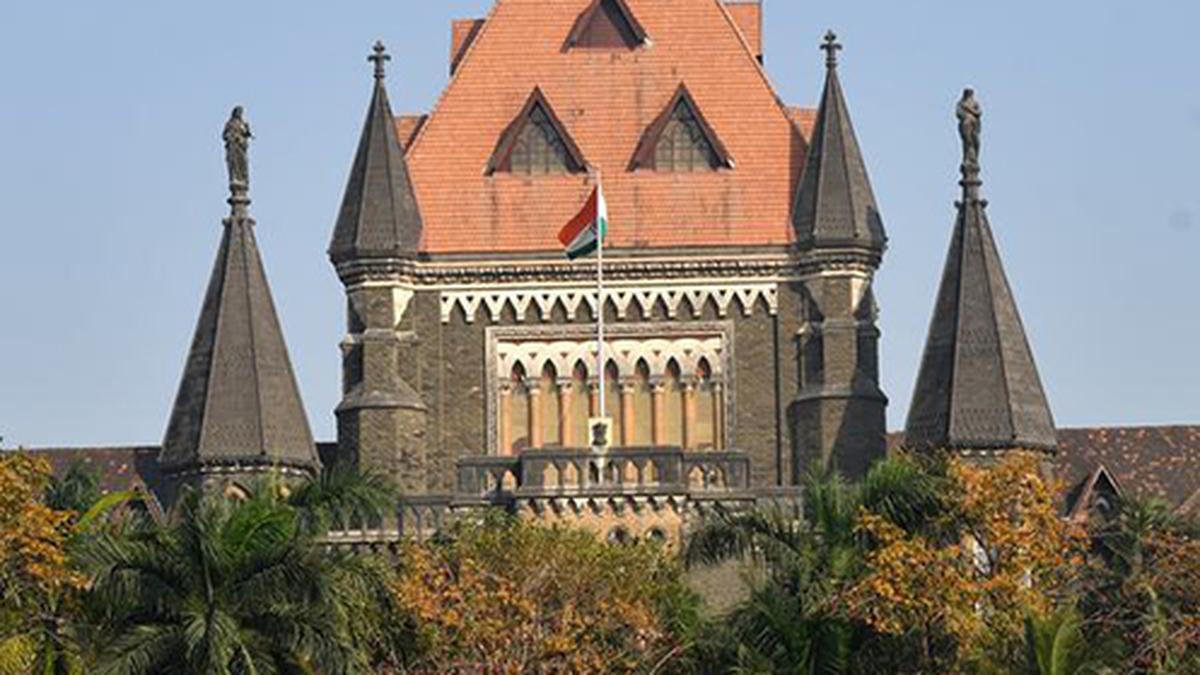
Court cites parity with a previously bailed co-accused in decision.
Mumbai, September 11, 2025
Decision by Bombay High Court
The Bombay High Court has granted bail to Farooq Shaukat Bagwan, one of the accused in the 2012 Pune blasts case. The court’s decision was influenced by the principle of parity, as it had previously granted bail to another co-accused. This legal precedent played an essential role in shaping the court’s ruling.
Bagwan had faced severe charges related to the tragic incident that occurred in Pune in 2012. His arrest drew significant media attention and public scrutiny. The court’s decision is likely to reignite discussions regarding the handling of terrorism-related cases in India.
Context of the 2012 Pune Blasts
The 2012 Pune blasts resulted in several casualties and left many others injured. Such incidents underline the ongoing challenges in ensuring public safety. The timely legal proceedings are crucial for justice to be served for the victims and their families.
The bail granted to Bagwan does not lessen the gravity of the accused’s alleged involvement. Media coverage over the years has depicted the events leading to the arrest as pivotal in understanding the case’s complexities. Now, with this new development, political and legal analysts will be looking closely at the implications.
Legal Implications
The principle of parity is significant in the legal framework, particularly in cases involving sensitive allegations like terrorism. It asserts that similar cases should receive similar treatment in court. Legal experts are viewing this bail decision as a noteworthy point in the ongoing legal discourse surrounding terrorism-related trials.
As the case unfolds, there will be continuous evaluations of how the judiciary manages such serious allegations while upholding the law. Observers believe that this ruling might set a new precedent in the legal landscape of terrorism cases in India.
Source:

