Bharat Bandh Today: Impact on Various Sectors and Reasons Behind t
NewsBharat Bandh Today: Impact on Various Sectors and Reasons Behind the Protests
Trade Unions Mobilize Against Government Policies Affecting Workers and Farmers
India, February 12, 2026, Thursday, 2026
India, October 26, 2023, Thursday, 2023
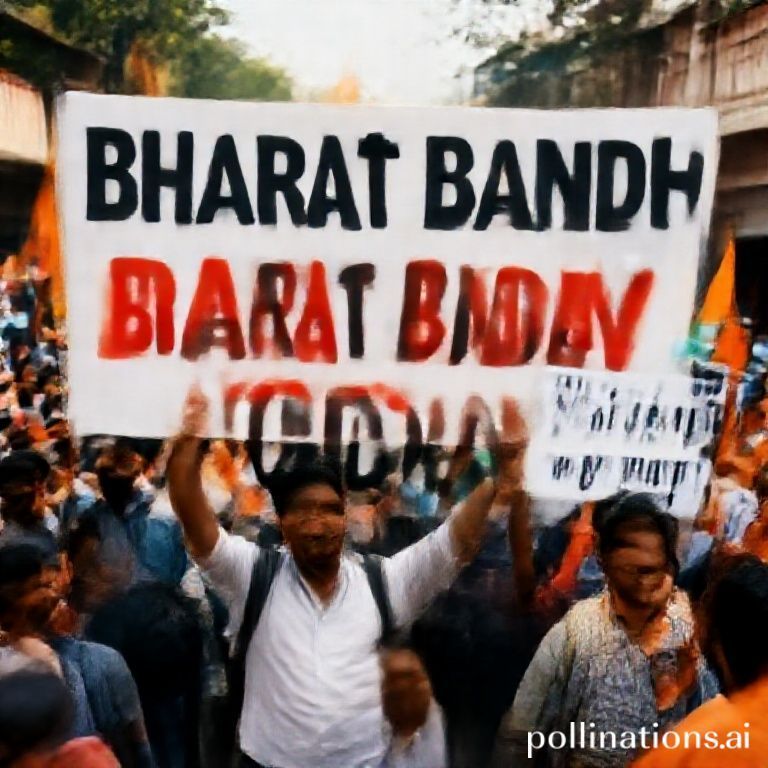
Over ten central trade unions, along with farmer organizations and Left parties, have initiated a 12-hour Bharat Bandh today. This nationwide strike aims to protest against what they describe as the Centre's anti-worker, anti-farmer, and pro-corporate policies. The Samyukt Kisan Morcha, a coalition of farmer groups, has lent its support to the strike, amplifying the call for action.
The protest targets several key issues, including new labor codes, the Indo-US trade agreement, and modifications to the Mahatma Gandhi National Rural Employment Guarantee Act (MGNREGA). Organizers estimate that around 30 crore workers will participate in the strike across India, signaling widespread discontent among various sectors.
Reasons for the Bharat Bandh
The primary grievances of the protesting groups revolve around the government's recent policy changes. Trade unions argue that the new labor codes undermine workers' rights and job security. They contend that these codes favor corporate interests at the expense of labor protections. The unions also express concern over the Indo-US trade agreement, fearing it may lead to unfavorable conditions for Indian farmers and workers.
Additionally, changes to MGNREGA have raised alarms among rural workers. The act, which guarantees 100 days of wage employment in a financial year, has been a lifeline for many. Protesters claim that recent amendments threaten to dilute its effectiveness, leaving rural communities vulnerable.
Sectors Affected by the Strike
The Bharat Bandh is expected to disrupt various sectors across the country. Transportation services, including buses and trains, are likely to see significant interruptions. Many unions representing transport workers have pledged their support for the strike, leading to cancellations and delays.
The banking sector is also bracing for impact. Several bank unions have joined the protest, which may result in limited banking services. Customers could face challenges in accessing ATMs and conducting transactions.
In addition to transportation and banking, the manufacturing sector may experience slowdowns. Workers in factories and production units are expected to participate in the strike, leading to reduced output in several industries. This could have a ripple effect on supply chains, affecting businesses and consumers alike.
Educational institutions may also feel the effects of the Bharat Bandh. Many schools and colleges are likely to remain closed as teachers and staff join the protests. Parents may need to make alternative arrangements for their children during this period.
Public Response and Government Stance
The public response to the Bharat Bandh has been mixed. While many support the cause, others express concern about the disruptions it may cause. Commuters and business owners are particularly anxious about the potential impact on daily life and economic activities.
The government has maintained a firm stance against the protests. Officials argue that the new labor codes are designed to modernize the workforce and attract investment. They assert that these changes will ultimately benefit workers by creating more jobs and improving working conditions.
Despite the government's assurances, trade unions remain unconvinced. They argue that the policies prioritize corporate profits over the welfare of workers and farmers. The ongoing protests reflect a growing frustration among these groups, who feel their voices are not being heard.
Historical Context of Protests
The Bharat Bandh is not an isolated event. It is part of a larger trend of labor unrest in India. Over the past few years, various sectors have witnessed strikes and protests against government policies. These movements often highlight the struggles of workers and farmers in an evolving economic landscape.
The history of labor movements in India is rich and complex. From the early 20th century to the present day, workers have organized to demand better wages, working conditions, and rights. The current protests echo this legacy, as unions mobilize to challenge perceived injustices.
Future Implications
As the Bharat Bandh unfolds, its implications for the future of labor relations in India remain uncertain. The government's response to the protests could shape the trajectory of labor policies moving forward. If the administration chooses to engage with the unions, it may lead to negotiations and potential reforms.
Conversely, a dismissive approach could exacerbate tensions between the government and labor groups. This could result in further protests and strikes, creating a cycle of unrest that may impact the economy.
The outcome of today's Bharat Bandh will likely resonate beyond the immediate disruptions. It serves as a reminder of the ongoing struggle for workers' rights and the need for dialogue between the government and its citizens. As the day progresses, the nation watches closely to see how these events unfold and what they mean for the future of labor in India.
Source:

