IMD Predicts Below Normal Monsoon Rainfall Amid El Niño Risk
NewsIMD Predicts Below Normal Monsoon Rainfall Amid El Niño Risk
The Indian Meteorological Department warns of potential drought conditions due to El Niño effects.
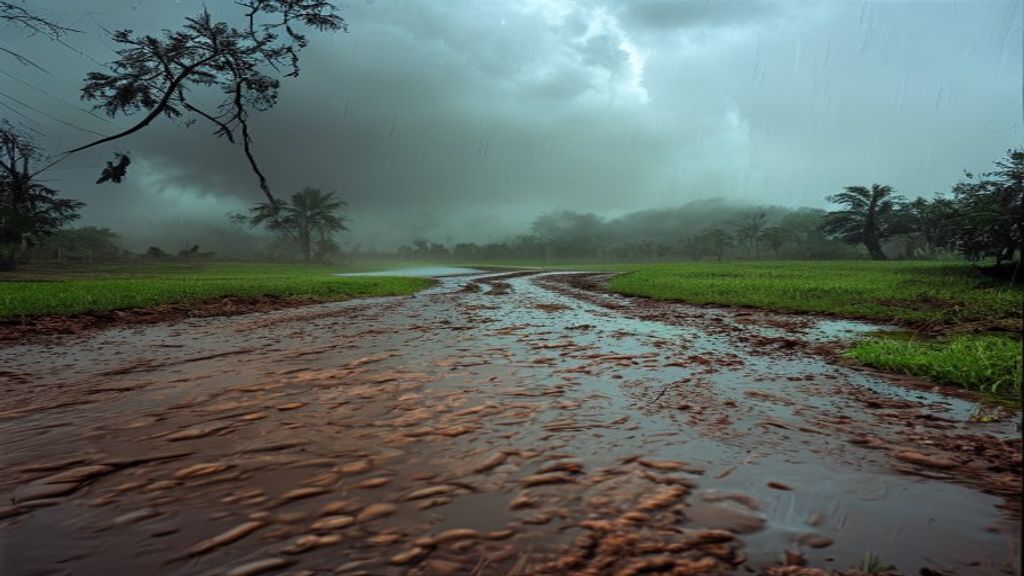
The Indian Meteorological Department (IMD) has forecasted below normal monsoon rainfall across the country for the upcoming season. This prediction raises concerns about potential drought conditions, particularly in regions heavily reliant on monsoon rains for agriculture. The IMD's announcement comes as the risk of El Niño conditions increases, which could further impact weather patterns in India.
Understanding Below Normal Monsoon Rainfall
Below normal monsoon rainfall refers to a significant decrease in expected precipitation during the monsoon season. The IMD defines this as rainfall that is 10% or more below the long-term average. This year, the IMD anticipates that the monsoon will deliver less rain than usual, which could have serious implications for agriculture and water supply across the nation.
Furthermore, the monsoon season is critical for India, as it provides about 70% of the annual rainfall. Farmers depend on this seasonal rain to irrigate their crops. A reduction in rainfall could lead to crop failures, increased food prices, and economic instability in rural areas. The IMD's prediction of below normal monsoon rainfall is thus a significant concern for both farmers and policymakers.
The Role of El Niño in Weather Patterns
El Niño is a climate phenomenon characterized by the warming of ocean surface temperatures in the central and eastern Pacific. This warming can disrupt typical weather patterns, leading to below normal monsoon rainfall in India. The IMD has noted that the current indicators suggest a developing El Niño, which could exacerbate the situation.
As a result, the IMD is closely monitoring oceanic and atmospheric conditions. They are using advanced models to predict how these changes will affect the upcoming monsoon season. The potential for below normal monsoon rainfall due to El Niño highlights the need for preparedness among farmers and government agencies.
Impacts on Agriculture and Food Security
The forecast of below normal monsoon rainfall poses a direct threat to India's agricultural sector. Many regions depend on the monsoon for irrigation, and insufficient rainfall can lead to reduced crop yields. This situation can create a ripple effect, impacting food security and livelihoods.
In addition, the agricultural sector is a significant contributor to India's economy. A decline in crop production can lead to increased prices for essential commodities. Farmers may face financial difficulties, leading to a rise in rural distress. The government may need to implement measures to support affected farmers and ensure food security.
Government Response and Preparedness
In light of the IMD's prediction of below normal monsoon rainfall, the Indian government is urged to take proactive measures. This includes assessing water resources and implementing water conservation strategies. Additionally, the government may need to provide financial assistance to farmers facing crop losses.
Furthermore, the government can promote alternative farming practices that require less water. This could help mitigate the impacts of reduced rainfall. By preparing for the potential consequences of below normal monsoon rainfall, the government can better protect the agricultural sector and ensure food availability.
Monitoring and Future Predictions
The IMD will continue to monitor weather patterns closely as the monsoon season approaches. They will provide regular updates on rainfall forecasts and any changes in El Niño conditions. This ongoing monitoring is crucial for farmers and policymakers to make informed decisions.
Moreover, advancements in meteorological technology allow for more accurate predictions. The IMD's ability to forecast below normal monsoon rainfall will help stakeholders prepare for the challenges ahead. By staying informed, farmers can adjust their planting schedules and crop choices accordingly.
Conclusion on Climate Preparedness
The prediction of below normal monsoon rainfall by the IMD highlights the importance of climate preparedness. As climate change continues to influence weather patterns, understanding these forecasts becomes essential. Stakeholders must work together to develop strategies that address the challenges posed by changing climatic conditions.
In summary, the IMD's warning about below normal monsoon rainfall underscores the need for vigilance and proactive measures. By preparing for potential drought conditions, India can safeguard its agricultural sector and ensure food security for its population.
Source: