Protests Erupt in Bangladesh Following Hasina Verdict
NewsProtests Erupt in Bangladesh Following Hasina Verdict
Demonstrators Clash with Police at Mujibur Rahman's Residence
India, November 17, 2025, Monday, 2025
India, October 10, 2023, Tuesday, 2023
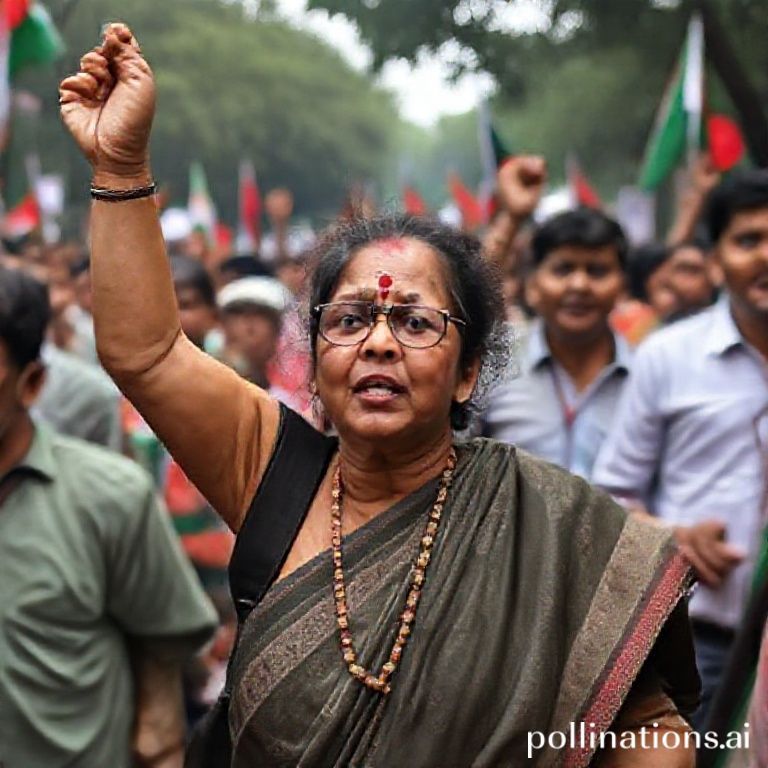
Protests erupted across Bangladesh after the controversial death sentence handed to former Prime Minister Sheikh Hasina. The verdict, which was issued for alleged 'crimes against humanity,' has ignited widespread unrest. Demonstrators took to the streets, expressing their outrage and demanding justice. The situation escalated dramatically when protesters targeted the residence of Bangabandhu Sheikh Mujibur Rahman, the nation's founding leader.
Clashes between protesters and security forces quickly ensued. Police responded with force, employing batons, sound grenades, and tear gas to disperse the growing crowds. The atmosphere was charged, with tensions running high as demonstrators attempted to dismantle the historic house of Mujibur Rahman. This residence holds significant cultural and political importance in Bangladesh.
The interim government characterized the verdict as 'historic.' They believe it marks a pivotal moment in the country’s legal history. Officials argue that the ruling reflects a commitment to accountability and justice. However, Sheikh Hasina has vehemently rejected the verdict. She labeled it 'biased and politically motivated,' claiming it is part of a larger scheme to undermine her leadership and the progress made during her tenure.
The protests have drawn a diverse group of participants. Young activists, seasoned political leaders, and ordinary citizens have all joined forces. They are united in their demand for a fair judicial process. Many protesters believe that the verdict is a politically charged maneuver aimed at destabilizing Hasina's party, the Awami League.
As the protests intensified, reports emerged of injuries on both sides. Medical facilities in the area have been overwhelmed with casualties. Eyewitness accounts describe scenes of chaos, with people fleeing from tear gas and rubber bullets. The police have faced criticism for their heavy-handed tactics, which some argue have exacerbated the situation.
The international community is closely monitoring the developments in Bangladesh. Human rights organizations have expressed concern over the treatment of protesters. They urge the government to exercise restraint and uphold the right to peaceful assembly. Activists fear that the ongoing violence could lead to further crackdowns on dissent.
In response to the unrest, the government has implemented a series of measures aimed at restoring order. Curfews have been imposed in several areas, and additional police forces have been deployed. Officials are determined to prevent the situation from spiraling out of control. However, these actions have only fueled further anger among the demonstrators.
Social media has played a crucial role in organizing the protests. Activists have used various platforms to share information and mobilize supporters. Videos of the clashes have gone viral, drawing attention to the unfolding crisis. Many users have expressed solidarity with the protesters, amplifying their calls for justice.
The political landscape in Bangladesh is increasingly polarized. Supporters of Sheikh Hasina argue that her leadership has brought stability and economic growth. Critics, however, contend that her government has stifled dissent and undermined democratic institutions. The recent verdict has reignited these tensions, leading to a renewed debate about the future of governance in the country.
As the situation continues to evolve, the interim government faces mounting pressure. They must navigate the delicate balance between maintaining order and respecting citizens' rights. The outcome of this unrest could have lasting implications for Bangladesh's political climate.
In the midst of the chaos, many citizens are left wondering about the future. The protests reflect deep-seated frustrations with the political system. People are demanding accountability, transparency, and a fair judicial process. The coming days will be critical in determining how the government responds to these challenges.
The legacy of Sheikh Mujibur Rahman looms large over the current events. As the father of the nation, his contributions to Bangladesh's independence are celebrated. However, the current unrest raises questions about how his legacy is interpreted in today's political context. The clash between historical reverence and contemporary political struggles is palpable.
As the protests unfold, the world watches closely. The actions taken by both the government and the protesters will shape the narrative of this moment in history. The desire for justice and accountability remains a powerful force driving the demonstrations. The outcome of this unrest will likely influence the trajectory of Bangladesh for years to come.
Source:

