Army Intensifies Counterterror Operations in Jammu and Kashmir
NewsArmy Intensifies Counterterror Operations in Jammu and Kashmir
Heightened Vigilance Amid Chillai Kalan Winter Conditions
India, December 28, 2025, Sunday, 2025
India, October 25, 2023, Wednesday, 2023
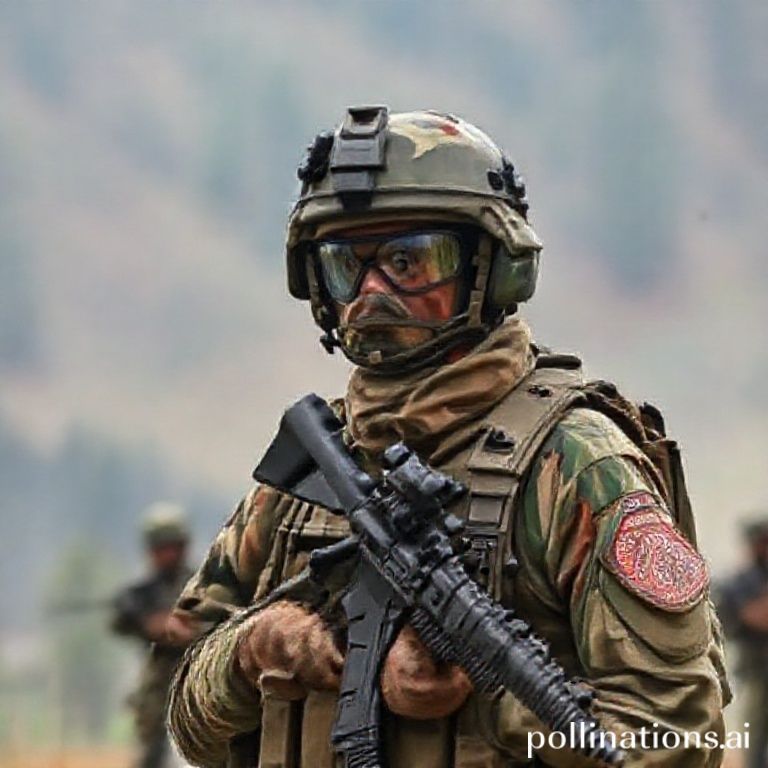
The Indian Army has ramped up its counterterrorism efforts in the Kishtwar and Doda districts of Jammu and Kashmir. This increase in operations comes during the harsh winter period known as Chillai Kalan. The region is currently facing severe weather conditions, which typically provide cover for terrorist activities.
In recent assessments, security forces have identified approximately 30 to 35 Pakistani terrorists operating in the area. These individuals are believed to be seeking refuge in the snowbound regions, making it crucial for the Army to act swiftly and decisively. The situation demands a comprehensive strategy that combines intelligence gathering, surveillance, and ground operations.
Enhanced Surveillance and Intelligence Gathering
The Army's approach involves a multi-agency collaboration. This includes coordination with local police and intelligence agencies. By sharing information and resources, these entities can maintain constant pressure on terrorist groups. The integration of technology, such as drones and satellite imagery, has significantly improved the ability to monitor movements in remote areas.
The harsh winter conditions pose challenges for both the Army and the terrorists. While snow can hinder movement, it also provides cover for those trying to evade detection. Therefore, the Army has deployed additional personnel to key locations. These troops are equipped with specialized winter gear to operate effectively in the cold.
Proactive Operations in Snowbound Areas
The Army has initiated proactive operations in the snowbound areas of Kishtwar and Doda. These operations are designed to disrupt any plans the terrorists may have for regrouping or launching attacks. Ground patrols are being conducted regularly, and checkpoints have been established to monitor movement in and out of these districts.
Local intelligence is crucial in these operations. The Army is working closely with community leaders and residents to gather information about suspicious activities. This grassroots approach helps build trust and encourages locals to report any unusual behavior.
In addition to ground operations, aerial surveillance plays a vital role. Helicopters and drones are being used to survey vast stretches of terrain that are otherwise difficult to access. This aerial support allows for real-time intelligence updates, enabling ground forces to respond quickly to any threats.
Heightened Vigilance and Community Engagement
The Army's intensified operations have led to heightened vigilance among local populations. Residents are being urged to remain alert and report any suspicious activities. Community engagement initiatives are being implemented to foster cooperation between the Army and local citizens.
These initiatives include awareness programs that educate residents about the signs of terrorist activity. By empowering the community, the Army aims to create a united front against terrorism. This collaborative effort is essential for long-term security in the region.
The winter months are particularly challenging for security forces. The cold weather can lead to frostbite and other health issues for troops deployed in the field. To mitigate these risks, the Army has established medical support units in strategic locations. These units are equipped to provide immediate care to soldiers in need.
Logistical Support and Resource Allocation
Logistical support is critical during this period. The Army has ensured that troops have access to necessary supplies, including food, fuel, and medical equipment. Supply lines are being monitored closely to prevent any disruptions.
In addition to logistical support, the Army is also focusing on resource allocation. Special units trained in winter warfare are being deployed to the most affected areas. These units are adept at navigating challenging terrains and can operate effectively under harsh conditions.
The presence of these specialized units enhances the Army's operational capabilities. They bring expertise in survival techniques and combat strategies tailored for winter environments. This expertise is invaluable in countering the tactics employed by terrorists who may be familiar with the local geography.
Continuous Pressure on Terrorist Networks
The overarching goal of these intensified operations is to maintain continuous pressure on terrorist networks. By disrupting their activities, the Army aims to prevent any potential attacks on civilian targets. The focus is not only on immediate threats but also on dismantling the infrastructure that supports terrorism in the region.
Intelligence reports indicate that some of these terrorists may be planning to exploit the winter conditions to launch surprise attacks. Therefore, the Army is taking preemptive measures to thwart these plans. This includes conducting raids on suspected hideouts and apprehending individuals linked to terrorist organizations.
The situation remains fluid, and the Army is prepared to adapt its strategies as necessary. Continuous assessments of the operational environment will guide decision-making. The commitment to ensuring the safety and security of the region is unwavering.
In summary, the Indian Army's intensified counterterrorism operations in Jammu and Kashmir reflect a proactive and integrated approach to security. By leveraging technology, community engagement, and specialized training, the Army aims to neutralize threats and maintain peace in the region during the challenging winter months.
Source:

