Aravali Degradation: Urgent Threats to Ecology and Biodiversity
NewsAravali Degradation: Urgent Threats to Ecology and Biodiversity
Study Highlights Impact of Encroachments and Urban Expansion on Groundwater and Air Quality
India, January 14, 2026, Wednesday, 2026
India, October 10, 2023, Tuesday, 2023
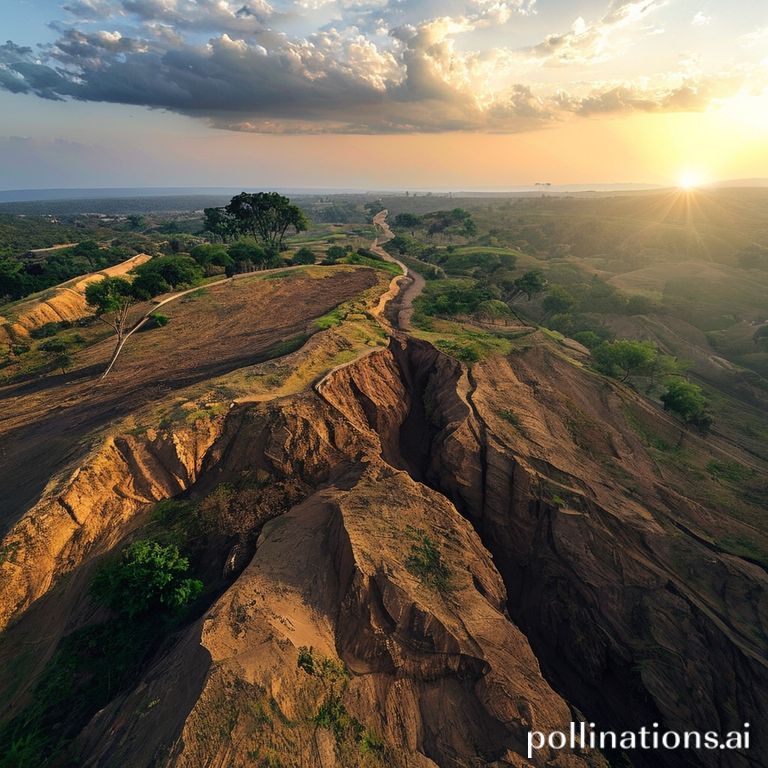
A recent study has unveiled alarming findings regarding the Aravalli ranges. The research indicates that encroachments, deforestation, and urban sprawl have significantly harmed this vital ecosystem. The consequences extend beyond the immediate environment, affecting groundwater levels, biodiversity, and air quality in the region.
The Aravalli ranges, one of the oldest mountain ranges in India, play a crucial role in maintaining ecological balance. However, the ongoing degradation threatens their ability to function as a green barrier. This weakening is accelerating desertification and posing serious risks to ecological stability in northern India.
Encroachments and Urban Expansion
The study highlights the rampant encroachments that have taken place over the years. Urban expansion has led to the invasion of natural habitats. As cities grow, they consume land that was once home to diverse flora and fauna. This urban sprawl not only reduces green cover but also disrupts the natural ecosystem.
Deforestation is another critical issue. Trees are cut down to make way for infrastructure and housing projects. This loss of vegetation has a cascading effect on the environment. Trees play a vital role in maintaining groundwater levels. Their removal leads to reduced water retention in the soil, exacerbating water scarcity in the region.
Impact on Groundwater
Groundwater is a precious resource, especially in arid and semi-arid regions. The study reveals that the degradation of the Aravalli ranges has led to a significant decline in groundwater levels. The loss of vegetation and increased surface runoff contribute to this decline. Without adequate tree cover, rainwater cannot seep into the ground effectively.
As groundwater levels drop, communities face severe water shortages. This situation is particularly dire for rural areas that rely on wells and boreholes for their water supply. The study emphasizes the urgent need for sustainable water management practices to mitigate these challenges.
Biodiversity at Risk
The Aravalli ranges are home to a rich variety of plant and animal species. However, the ongoing degradation poses a significant threat to this biodiversity. The study points out that many species are losing their natural habitats due to encroachments and urban development. This loss of habitat leads to a decline in wildlife populations.
Moreover, the fragmentation of habitats makes it difficult for species to thrive. Animals require large territories to find food, mate, and raise their young. As their habitats shrink, their chances of survival diminish. The study calls for immediate action to protect these vulnerable species and their habitats.
Air Quality Concerns
In addition to groundwater and biodiversity, air quality is also under threat. The study indicates that urbanization contributes to increased pollution levels. Construction activities, vehicular emissions, and industrial discharges release harmful pollutants into the air. This deterioration in air quality poses health risks to local communities.
Poor air quality can lead to respiratory problems and other health issues. Vulnerable populations, including children and the elderly, are particularly at risk. The study underscores the need for stricter regulations on emissions and pollution control measures to safeguard public health.
Proposed Eco-Restoration Model
To address these pressing issues, the study proposes a community-inclusive eco-restoration model. This approach emphasizes the involvement of local communities in conservation efforts. Engaging residents can foster a sense of ownership and responsibility towards the environment.
The proposed model includes reforestation initiatives to restore lost vegetation. Planting native trees can help improve groundwater levels and enhance biodiversity. Additionally, creating protected areas can provide safe havens for wildlife, allowing populations to recover.
Sustainable urban planning is also a key component of the eco-restoration model. By integrating green spaces into urban development, cities can mitigate the impacts of urbanization on the environment. This approach promotes a balance between development and conservation.
Community Engagement and Education
Community engagement is vital for the success of the eco-restoration model. Educating residents about the importance of the Aravalli ranges can inspire action. Workshops, awareness campaigns, and participatory programs can empower communities to take part in conservation efforts.
Local stakeholders, including farmers, business owners, and government officials, must collaborate to implement sustainable practices. This collective effort can lead to more effective management of natural resources and improved environmental outcomes.
Government Policies and Support
The role of government policies cannot be overlooked. Stronger regulations are needed to curb illegal encroachments and deforestation. Enforcement of existing laws is crucial to protect the Aravalli ranges from further degradation.
Additionally, the government can provide incentives for sustainable practices. Financial support for reforestation projects and eco-friendly urban planning can encourage communities to adopt environmentally responsible behaviors.
The study serves as a wake-up call for policymakers and citizens alike. The Aravalli ranges are not just a geographical feature; they are a lifeline for millions. Protecting this ecosystem is essential for ensuring a sustainable future for the region.
In summary, the findings of this study highlight the urgent need for action to address the degradation of the Aravalli ranges. Encroachments, deforestation, and urban sprawl pose significant threats to groundwater, biodiversity, and air quality. A community-inclusive eco-restoration model offers a path forward, emphasizing the importance of collaboration and sustainable practices. The time to act is now, as the health of the Aravalli ranges directly impacts the well-being of countless individuals and the environment.
Source:

