Fisherman Uncovers Ancient Goddess Sculpture in Jhelum River
NewsFisherman Uncovers Ancient Goddess Sculpture in Jhelum River
Discovery in Baramulla Highlights Cultural Heritage of Jammu and Kashmir
India, December 26, 2025, Friday, 2025
India, October 15, 2023, Sunday, 2023
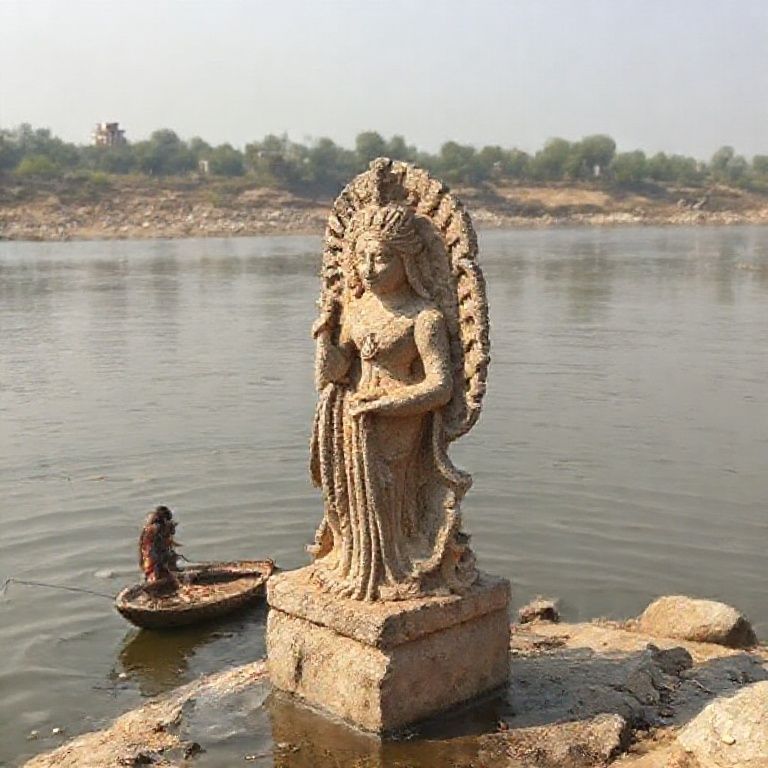
A routine fishing trip turned extraordinary for a local fisherman in Baramulla, Jammu and Kashmir. While casting his net in the Jhelum River, he stumbled upon a remarkable stone sculpture of the goddess Durga. This unexpected find has sparked excitement among archaeologists and locals alike, shedding light on the region's rich cultural heritage.
Discovery Details
The fisherman, whose identity remains undisclosed, was engaged in his usual activity when he noticed the unusual shape beneath the water's surface. Upon closer inspection, he realized it was a stone sculpture. Recognizing its potential significance, he promptly reported the discovery to the Jammu and Kashmir Police.
The police acted swiftly, retrieving the sculpture from the river and ensuring its safe transport to the archaeology department. Officials have confirmed that the artifact is indeed an ancient representation of goddess Durga, a deity revered in Hinduism.
Cultural Significance
The sculpture's discovery is not just a random event; it underscores the historical richness of Jammu and Kashmir. This region has long been a melting pot of cultures, religions, and traditions. The presence of such artifacts serves as a reminder of the area's historical significance and its connection to ancient civilizations.
Goddess Durga holds a prominent place in Hindu mythology. She symbolizes strength, protection, and the triumph of good over evil. The recovery of this sculpture adds to the narrative of the goddess's importance in the local culture and religious practices.
Community Involvement
The police's quick response to the fisherman's report demonstrates a commitment to preserving cultural heritage. Authorities encourage citizens to remain vigilant and report any similar discoveries. This proactive approach fosters a sense of community responsibility toward safeguarding historical artifacts.
Local residents have expressed pride in the find. Many believe it reflects the area's deep-rooted traditions and the need to protect such treasures. The incident has sparked discussions about the importance of archaeology and heritage conservation in the region.
Archaeological Insights
Experts from the archaeology department have begun examining the sculpture. Initial assessments suggest it dates back several centuries, possibly to a time when the region was a hub of artistic and religious activity. The craftsmanship displayed in the sculpture indicates a high level of skill and devotion among the artisans of that era.
Archaeologists are excited about the potential for further discoveries in the area. The Jhelum River, with its historical significance, may hold more artifacts waiting to be uncovered. This incident could lead to increased archaeological interest and research in the region.
Preservation Efforts
Following the recovery, the archaeology department has outlined plans for the sculpture's preservation. Experts will conduct thorough cleaning and restoration to ensure its longevity. The goal is to display the sculpture in a local museum, allowing the public to appreciate its historical and cultural value.
Preservation of artifacts like this sculpture is crucial for understanding the region's past. It provides insights into the artistic expressions and religious beliefs of ancient communities. The archaeology department aims to create awareness about the importance of such finds and the need for their protection.
Public Awareness Campaigns
In light of this discovery, local authorities are planning awareness campaigns to educate the public about the significance of cultural heritage. These initiatives will encourage community members to report any archaeological finds and participate in preservation efforts.
Workshops and seminars will be organized to engage schools and local organizations. The aim is to instill a sense of pride in the region's history and promote active participation in heritage conservation.
Future Prospects
The discovery of the goddess Durga sculpture may pave the way for more archaeological explorations in Jammu and Kashmir. As interest grows, researchers and historians may uncover additional artifacts that tell the story of the region's past.
The Jhelum River, known for its historical importance, could become a focal point for archaeological studies. This could lead to a deeper understanding of the cultural dynamics that shaped the area over centuries.
Local tourism may also benefit from increased awareness of the region's heritage. As more artifacts are discovered and preserved, they can attract visitors interested in history and culture. This could provide a boost to the local economy while fostering a sense of pride among residents.
In summary, the fisherman's discovery of the goddess Durga sculpture is a significant event for Jammu and Kashmir. It highlights the region's rich cultural heritage and the importance of community involvement in preserving history. The swift actions of the police and the archaeology department demonstrate a commitment to safeguarding such treasures for future generations.
Source:

