Amit Shah Appeals to Tribal Voters in Bengal
NewsAmit Shah Appeals to Tribal Voters in Bengal
Union Minister Criticizes TMC and Promises Support for Local Communities
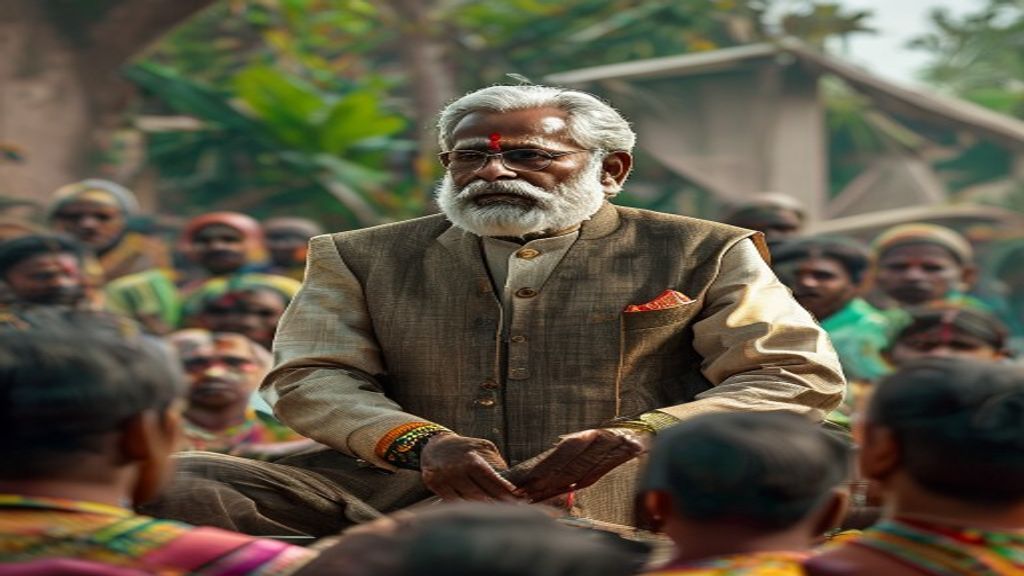
Union Minister Amit Shah recently addressed tribal communities in West Bengal, urging them to vote against the Trinamool Congress (TMC). His remarks came in response to what he described as an insult to President Droupadi Murmu by Chief Minister Mamata Banerjee. Shah's speech aimed to galvanize support among tribal voters, emphasizing the need for a change in leadership.
Shah's visit focused on tribal-dominated districts, where he highlighted the importance of local representation. He promised that a "son of the soil" would be appointed as Chief Minister if the Bharatiya Janata Party (BJP) came to power. This statement resonated with many in the audience, who expressed a desire for leadership that understands their unique challenges and aspirations.
In addition to his call for political change, Shah made significant promises regarding the inclusion of Kurmali and Rajbanshi communities in the Eighth Schedule of the Constitution. This inclusion would grant these groups greater recognition and support, which Shah argued is essential for their development. He emphasized that the BJP is committed to uplifting marginalized communities and ensuring their voices are heard in the political arena.
Shah did not shy away from criticizing the TMC government. He accused the party of widespread corruption and mismanagement. According to him, the TMC has failed to address the needs of the tribal population, leading to a decline in their living conditions. He pointed to various instances of alleged land grabs by infiltrators, claiming that the TMC has turned a blind eye to these issues.
The Union Minister's rhetoric aimed to create a sense of urgency among tribal voters. He urged them to recognize the importance of their votes in the upcoming elections. By framing the election as a battle for their rights and dignity, Shah sought to mobilize support for the BJP.
Shah's remarks also touched on the broader implications of the TMC's governance. He argued that the party's policies have led to a lack of development in tribal areas. He painted a picture of neglect, where the voices of tribal communities have been silenced. This narrative resonated with many attendees, who have long felt marginalized in the political landscape of West Bengal.
The BJP's strategy in Bengal has increasingly focused on tribal communities. By addressing their specific concerns, the party aims to build a strong coalition that can challenge the TMC's dominance. Shah's visit is part of a larger campaign to engage with voters who feel overlooked by the current administration.
During his speech, Shah also highlighted the cultural significance of tribal communities. He acknowledged their rich heritage and contributions to the state's diversity. By recognizing their cultural identity, Shah aimed to foster a sense of pride among tribal voters. This approach aligns with the BJP's broader strategy of promoting regional identities while also advocating for national unity.
Shah's emphasis on local leadership is a critical component of the BJP's campaign. By promising a Chief Minister who understands the needs of the tribal population, he seeks to differentiate the BJP from the TMC. This promise of localized governance is designed to resonate with voters who are frustrated with the perceived disconnect between the current leadership and the grassroots.
Furthermore, Shah's focus on the inclusion of Kurmali and Rajbanshi communities reflects a strategic move to broaden the BJP's appeal. By addressing the aspirations of these groups, the party aims to consolidate support among various tribal factions. This inclusivity is crucial for building a robust electoral base in a state where tribal votes can significantly influence election outcomes.
The Union Minister's speech also served as a rallying cry for party workers. He encouraged them to engage with the community and spread the BJP's message. Mobilizing grassroots support is essential for the party's success in the upcoming elections. Shah's visit aimed to energize party cadres and reinforce their commitment to the BJP's vision for West Bengal.
As the election approaches, the BJP is intensifying its outreach efforts. Shah's engagement with tribal communities is just one aspect of a broader strategy to connect with voters across the state. The party is keenly aware of the importance of winning over marginalized groups, as their support could be pivotal in challenging the TMC's stronghold.
In summary, Amit Shah's recent address to tribal communities in West Bengal highlights the BJP's focus on local representation and inclusion. By criticizing the TMC and promising a "son of the soil" Chief Minister, Shah aims to galvanize support among voters who feel neglected. His emphasis on cultural identity and grassroots engagement reflects a strategic approach to building a coalition that can effectively challenge the current administration. The upcoming elections will test the effectiveness of these efforts as the BJP seeks to reshape the political landscape in Bengal.
Source: