Amazon May Have a New Plan to Take on Facebook-Parent Meta
News THE ECONOMIC TIMES, livelaw.in, LAW, LAWYERS NEAR ME, LAWYERS NEAR BY ME, LIVE LAW, THE TIMES OF INDIA, HINDUSTAN TIMES, the indian express, LIVE LAW .IN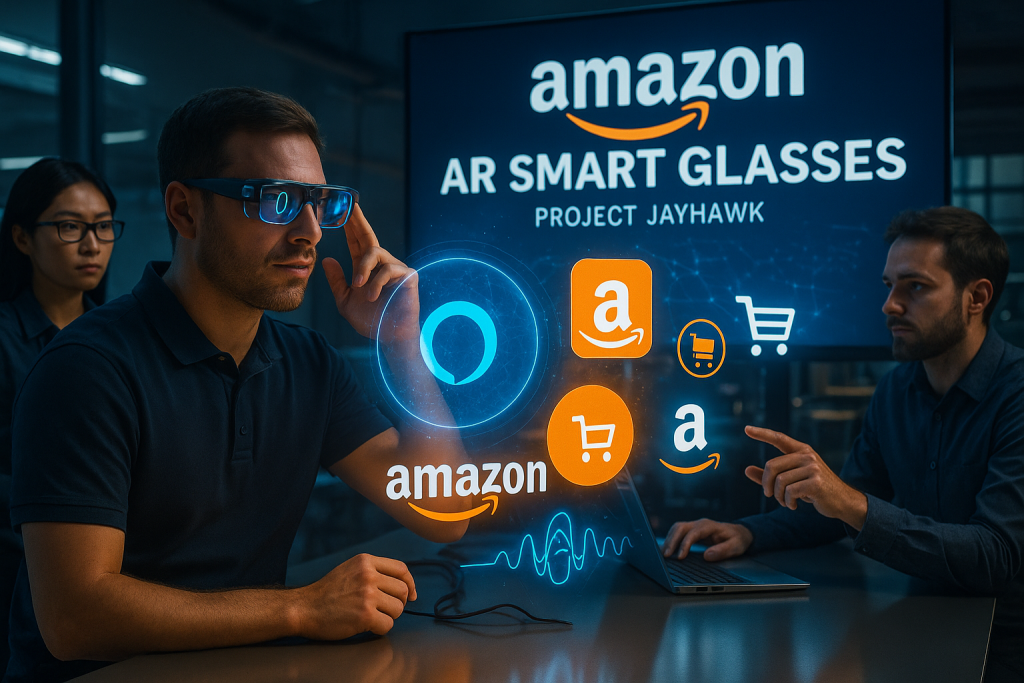
Retail giant Amazon reportedly developing AR smart glasses to challenge Meta’s dominance in wearable tech
New Delhi | Friday, November 1, 2025
In a bold strategic move that could reshape the wearable tech landscape, Amazon is reportedly developing a new pair of consumer-targeted augmented reality (AR) glasses, positioning itself to take on Meta Platforms (formerly Facebook) which currently leads the market in smart eyewear.
According to a report by Reuters (citing sources familiar with the plans and originally reported by The Information), Amazon’s next-generation smart glasses — internally codenamed “Jayhawk” — could be released between late 2026 and early 2027.
What Amazon’s AR Move Means
The glasses are expected to combine built-in microphones, speakers, a camera, and a full-colour display integrated into a single lens — features that would mark Amazon’s official entry into consumer AR wearables, after previously focusing primarily on AR tools for logistics and delivery operations.
By targeting the same wearable-smart glasses market in which Meta already participates (via its Ray-Ban partnership and other efforts), Amazon is signalling that it intends to compete not just in e-commerce or cloud services but in immersive hardware-software ecosystems. This could spur a new wave of innovation and rivalry between the two tech behemoths.
Competitive Landscape & Strategic Stakes
Meta has invested heavily in XR (extended reality) and wearable tech, using its Ray-Ban collaboration and its own AR/VR efforts to explore the future of computing beyond mobile screens. Amazon’s entry could accelerate competition in this domain. The reported features of Jayhawk suggest Amazon aims to merge AR hardware with its vast retail and services ecosystem — potentially offering seamless integration with shopping, Alexa voice assistant services, and logistics infrastructure.
For Amazon, this move would diversify its hardware bet beyond Echo devices, Kindle tablets and Fire TVs. For Meta, it raises the stakes: Amazon’s ecosystem strength, global e-commerce reach and logistics intelligence provide it an unusual advantage in scaling hardware devices and services.
Timing, Challenges & Market Impact
While the projected launch of late 2026/early 2027 gives Amazon time to refine the product, the window is already crowded with other tech firms racing into AR/VR and smart glasses. Amazon will need to address key challenges: battery life, durable yet lightweight design, user comfort, privacy and regulatory scrutiny (given embedded cameras and microphones). Amazon’s prior experience with delivery-focused AR suggests the company is leveraging internal trials to validate hardware before broad consumer rollout, which could help mitigate early-stage defects and usability hurdles.
For consumers and investors, Amazon’s AR glasses plan is a signal of how the next computing platform may shift from handheld devices to wearable, ambient intelligence. If executed well, Amazon could challenge Meta’s first-mover advantage in smart eyewear, and begin anchoring its retail and services ecosystem in physical wearables.
Why the Market Should Pay Attention
- A successful Amazon smart-glasses launch could accelerate the “wearable as computing platform” narrative, disrupting how people interact with devices, services and content.
- For Meta, Amazon’s entry raises threat levels: Meta may need to ramp up innovation, reduce hardware costs or refine its ecosystem strategy to maintain leadership.
- The move underscores a broader trend: tech giants extending their competitive domains by linking hardware, software and services across ecosystems. Amazon’s retail, cloud and AI strengths could give it unique leverage in making wearables and AR mainstream.
- From a consumer perspective, wider competition means more choices, improved design, better integration with services and possibly lower costs sooner.
What to Watch Next
- Official confirmation from Amazon or product-leak details about “Jayhawk” including pricing, technical specs and launch timeline.
- Meta’s response: whether the company accelerates new devices, price cuts or ecosystem upgrades.
- How significantly Amazon integrates AR hardware with its voice assistant (Alexa), shopping platform and logistics network — a differentiator over pure hardware makers.
- Privacy and regulatory reactions globally given increased concerns about wearable cameras and built-in microphones.
This developing story marks a potential turning point in the AR wearable market — as Amazon moves to challenge Meta directly, the next-gen device war may well shift from apps and screens into glasses and ambient computing.
Source:

