13-Year-Old Pulls Trigger in Public Execution in Afghanistan
News13-Year-Old Pulls Trigger in Public Execution in Afghanistan
Taliban Officials Facilitate Disturbing Event in Khost Province
India, December 3, 2025, Wednesday, 2025
India, October 12, 2023, Thursday, 2023
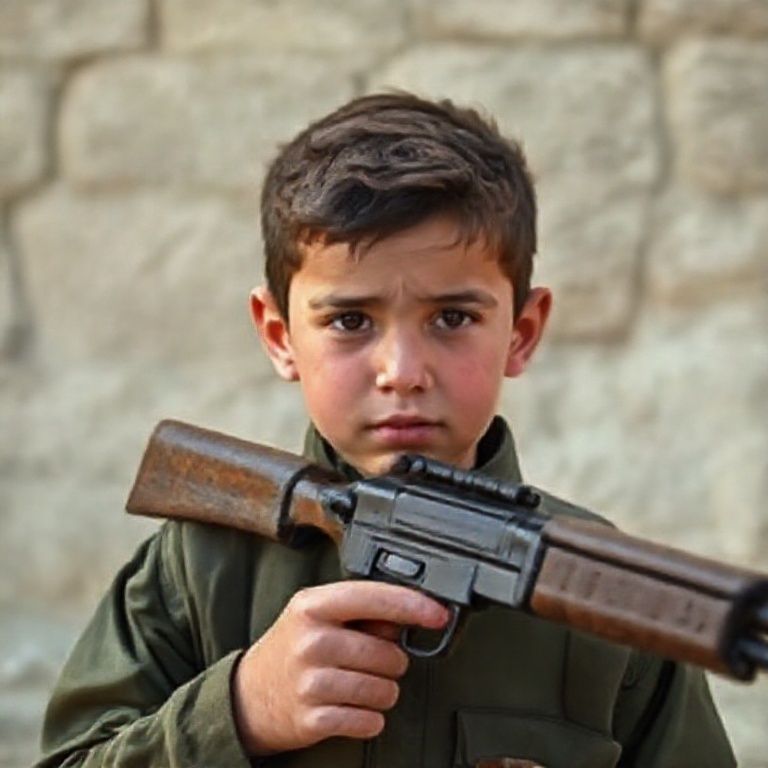
In a shocking incident in Afghanistan's Khost province, a 13-year-old boy reportedly pulled the trigger during a public execution. The event drew a crowd of approximately 80,000 spectators, highlighting the grim reality of justice under Taliban rule. The boy was given a weapon after he declined to pardon the man accused of murdering his family members.
The execution took place in a public square, a location chosen to maximize visibility and impact. Taliban officials orchestrated the event, emphasizing their authority and the harsh penalties for crimes. The atmosphere was tense as the crowd gathered, many expressing a mix of curiosity and horror.
Witnesses described the scene as chaotic. People from various backgrounds came to witness the execution, some out of a sense of duty to their community, while others were drawn by morbid curiosity. The Taliban's decision to involve a child in such a brutal act has sparked outrage and raised ethical questions about the use of minors in violent acts.
The accused man had been convicted of murdering several family members, a crime that the Taliban considers particularly heinous. In their interpretation of justice, public executions serve as a deterrent to others. However, the involvement of a child in this process has drawn significant criticism from human rights advocates.
Human rights organizations have condemned the Taliban's actions, arguing that using a child in this manner is a violation of international laws regarding the treatment of minors. The United Nations has also expressed concern over the implications of such events for the future of children in Afghanistan.
The boy's refusal to grant a pardon adds another layer to this tragic story. Reports indicate that he was pressured by Taliban officials to participate in the execution. This raises questions about the psychological impact on the child, who is now forever linked to this violent act.
The Taliban's approach to justice has been widely criticized. Their methods often lack transparency and fairness, leading to a culture of fear among the populace. Public executions are not new in Afghanistan, but the involvement of a minor marks a disturbing trend.
In recent months, the Taliban has intensified its enforcement of strict interpretations of Sharia law. This includes public punishments that aim to instill fear and obedience among the population. The execution in Khost is a stark reminder of the regime's commitment to these practices.
Many in the crowd reportedly reacted with mixed emotions. Some cheered, believing they were witnessing justice. Others expressed discomfort, recognizing the moral implications of the event. The presence of the child added a layer of complexity that many found difficult to reconcile.
The international community has been largely silent on the issue, with few nations willing to confront the Taliban directly. This silence allows such events to continue unchecked, raising concerns about the future of human rights in Afghanistan.
As the Taliban consolidates its power, the use of public executions may become more common. The regime appears to be sending a message: dissent will not be tolerated. The involvement of children in these acts could signify a new low in the ongoing struggle for human rights in the region.
The psychological ramifications for the boy involved in the execution are profound. Experts warn that exposure to violence at such a young age can lead to long-term trauma. The Taliban's disregard for the well-being of children is evident in this case, as they prioritize their agenda over the lives of the innocent.
In Afghanistan, the concept of justice has been distorted under Taliban rule. The focus on retribution rather than rehabilitation creates a cycle of violence that is difficult to break. The public execution in Khost serves as a chilling example of this reality.
As the world watches, the situation in Afghanistan continues to evolve. The Taliban's grip on power remains firm, and with it, the potential for further human rights abuses. The involvement of children in acts of violence raises urgent questions about the future of Afghan society.
The international community must address these issues with urgency. Silence in the face of such brutality only emboldens those who perpetrate it. The plight of children caught in the crossfire of political agendas must not be ignored.
The execution in Khost is not just a local issue; it resonates globally. It serves as a reminder of the ongoing struggle for human rights and the need for accountability. The world must not turn a blind eye to the suffering of the Afghan people, especially the most vulnerable among them.
As the Taliban continues to enforce its harsh interpretation of justice, the implications for Afghan society are dire. The normalization of violence, especially involving children, threatens to create a generation desensitized to brutality. The need for intervention and support for human rights in Afghanistan has never been more critical.
The events in Khost are a call to action for those who value human dignity and justice. The international community must unite to address the challenges facing Afghanistan and advocate for the rights of its people. The future of the nation hangs in the balance, and the time for action is now.
Source:

