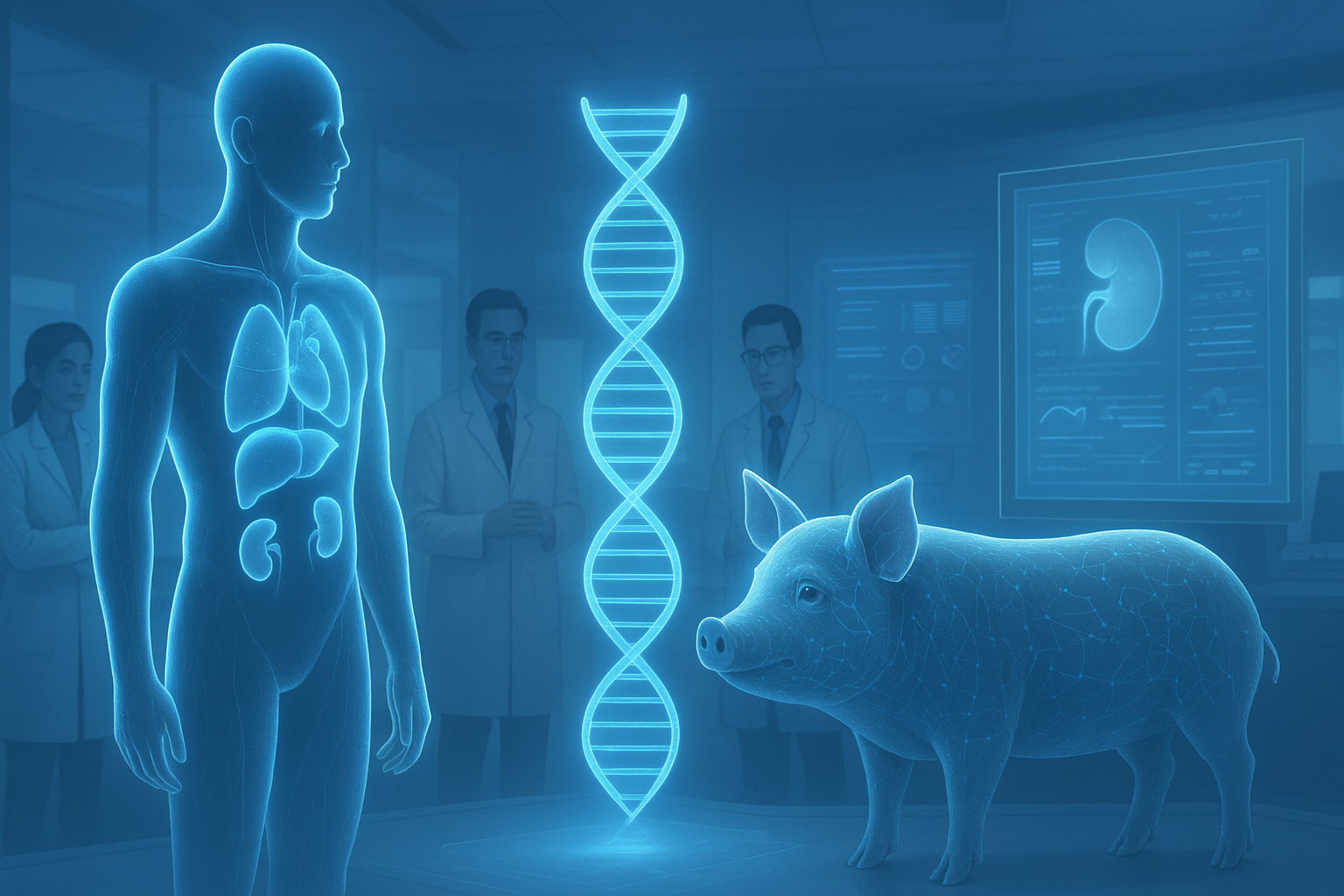
Will Pigs Keep Humans Alive? Future of Transplants on Tiny Hooves
NewsExploring the potential of pig organs in addressing human transplant needs.
USA, September 10, 2025
Understanding Xenotransplantation
Xenotransplantation involves the use of animal organs for human transplants. Researchers are exploring how pig organs could help alleviate the critical shortage of transplantable organs. With advancements in science, this innovative approach may offer hope to countless patients facing organ failure. According to recent studies, pig organs are genetically modified to reduce the risk of rejection. This could be a game-changer for human transplants, especially when the demand far exceeds supply.
The Role of Pig Organs
Pig organs share many similarities to human organs. For instance, their hearts, kidneys, and livers can closely mimic human function. This resemblance makes them ideal candidates for xenotransplantation. Moreover, pigs are rapidly bred, providing a sustainable source of organs. As organ scarcity continues to be a pressing issue, the use of pig organs presents a feasible solution. Emerging technologies enhance compatibility, paving the way for safer and more effective transplants.
Ethical Considerations in Transplantation
While the benefits of using pig organs are substantial, ethical concerns arise. Many worry about the welfare of these animals and the implications of genetic modification. Scientists are working to address these issues, ensuring that animal welfare standards are met. Transparency and public discourse will be vital moving forward. Society must weigh the potential benefits against ethical considerations. These discussions will help shape policies governing xenotransplantation.
As research progresses, regulations will need to evolve. Collaboration between scientists, ethicists, and policymakers is essential. Finding a balance between innovation and ethical responsibility is crucial. The truth is, pig organs could revolutionize the future of human transplants.
The Future of Transplants
In conclusion, the future of transplants may indeed rest on tiny hooves. Xenotransplantation using pig organs could transform therapeutic options for patients suffering from organ failure. As technology advances, we inch closer to a solution that could save lives. Ongoing research and ethical considerations will play pivotal roles in the journey ahead. As we explore this innovative path, the hope is to provide better options for those in need.
Source:


