Technological equity in Indian courts.
News THE TIMES OF INDIA, the indian express, LIVE LAW .IN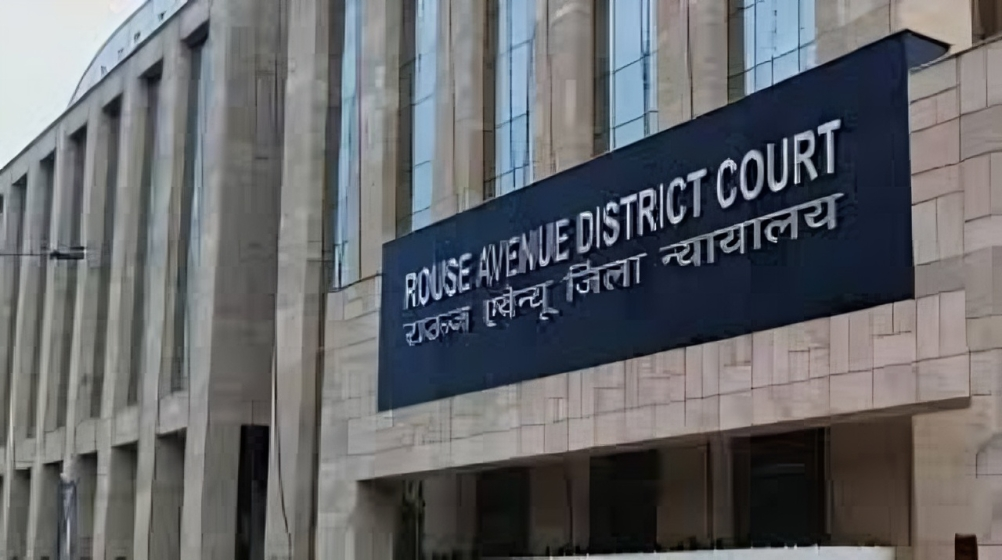
A recent article titled “The Silent Burden Of Paper: A Plea For Technological Equity In Delhi’s District Courts” by advocate Anuj Kapoor, published on May 8, 2025, in Live Law, sheds light on the pressing need for digitization in Delhi’s district courts. Kapoor highlights the challenges faced by legal professionals due to the overwhelming reliance on physical documents, especially in white-collar crime cases at the Rouse Avenue District Court. He emphasizes the disparity between the technological advancements in higher courts and the lag in district courts, advocating for a uniform digital infrastructure across all levels of the judiciary.
In response to such concerns, the Delhi government has approved a ₹387 crore project aimed at transforming 691 district-level courts into hybrid courts, facilitating both in-person and virtual proceedings. This initiative, overseen by the Delhi High Court, plans to start with two pilot courts in each district to assess the efficacy of the hybrid system before a full-scale implementation.
Despite these efforts, challenges persist. Reports indicate that, on average, each court in Delhi handles around 2,200 pending cases, with some courts, like those dealing with cheque bounce cases under the Negotiable Instruments Act, facing pendency as high as 13,000 cases. The physical storage and management of such vast amounts of paperwork not only strain the court staff but also hinder the timely delivery of justice.
Kapoor’s article serves as a timely reminder of the urgent need to bridge the technological divide in the judiciary. By embracing digitization, Delhi’s district courts can enhance efficiency, reduce case backlogs, and ensure a more equitable justice system for all.
Sources

