BBMB interference Punjab.
News THE TIMES OF INDIA, HINDUSTAN TIMES, the indian express, the tribune, THE ECONOMIC TIMES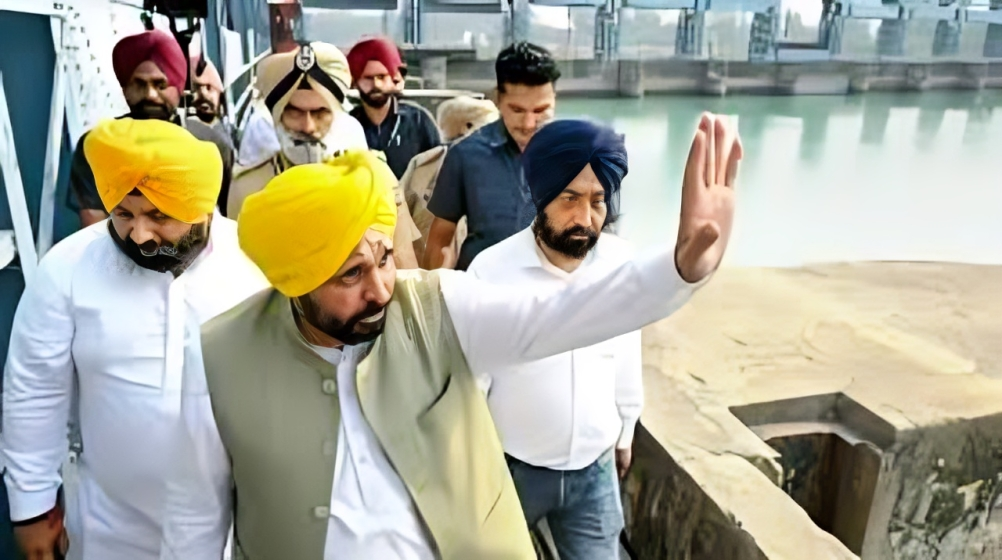
The Punjab and Haryana High Court has issued a significant ruling restraining the Punjab government and its functionaries, including police personnel, from interfering in the daily operations of the Bhakra Beas Management Board (BBMB). This decision comes amid a dispute over water sharing between Punjab and Haryana.
The BBMB had petitioned the High Court, alleging that Punjab Police personnel forcibly took control of the Nangal Dam and Lohand Control Room, obstructing the release of additional water to Haryana as decided by the BBMB. The BBMB contended that this action was unconstitutional and infringed upon its statutory authority under the Punjab Reorganisation Act, 1966.
In response, the Punjab government argued that the police deployment was solely for security purposes and denied any interference with BBMB operations.
The High Court directed Punjab to comply with the decision made during a meeting chaired by the Union Home Secretary on May 2, which mandated the release of an additional 4,500 cusecs of water to Haryana over eight days to meet its urgent requirements.
The court emphasized that if Punjab disagreed with any BBMB decisions, it should seek redress through the appropriate legal channels by making a representation to the Central Government via the BBMB Chairman, as outlined in the BBMB Rules, 1974.
The court expressed concern over the escalating tensions between the states, cautioning against treating each other as adversaries. It highlighted the importance of cooperative federalism and urged states to resolve disputes through dialogue and legal mechanisms rather than unilateral actions.
The court also left open the possibility of deploying paramilitary forces for the security of the dam, a matter to be considered by the BBMB and the Central Government.
This ruling underscores the judiciary’s role in maintaining the rule of law and ensuring that inter-state disputes are addressed through constitutional and legal frameworks.
Sources

