Customs Act investigative powers India.
News HINDUSTAN TIMES, LIVE LAW .IN, supreme court observer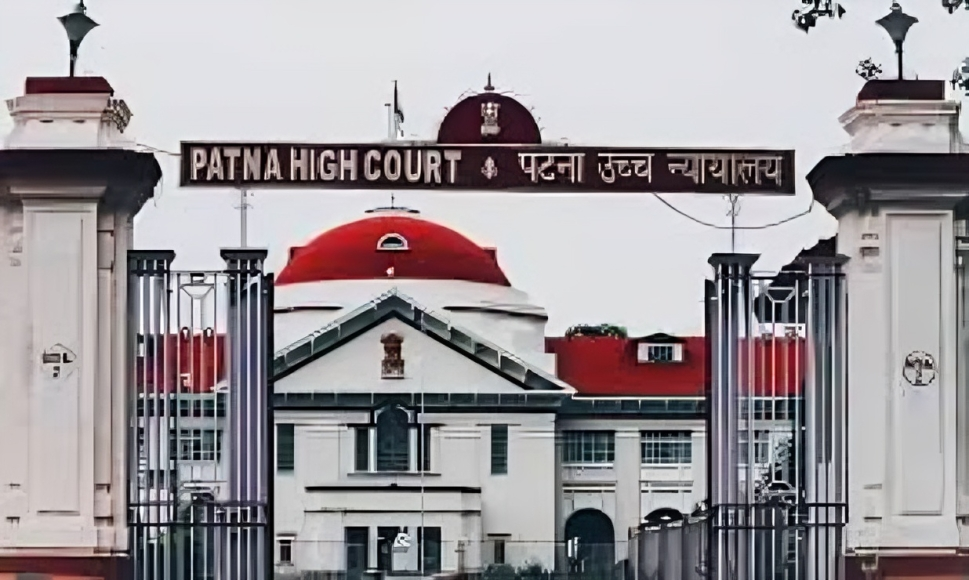
As of now, there is no publicly available report indicating that the Patna High Court has issued a ruling stating that the Customs Act grants unfettered investigative powers where an infraction is suspected. In fact, recent judgments from both the Patna High Court and the Supreme Court of India emphasize the necessity for procedural safeguards and adherence to constitutional rights when exercising investigative powers under the Customs Act.
Key Judicial Observations:
- Requirement for Justification: The Supreme Court has underscored that while customs officers possess investigative powers, these are not absolute. Officers must have substantial justification and cannot act solely on suspicion. Arrests and searches must be backed by credible evidence, and the rights of the individuals involved must be respected.
- Procedural Safeguards: The Court has mandated that individuals arrested under the Customs Act must be informed of the grounds for arrest in writing, have the right to consult with legal counsel during interrogation, and be presented before a magistrate within 24 hours. These safeguards are in line with the provisions of the Criminal Procedure Code (CrPC).
- Recording of Reasons: The Patna High Court has held that customs officers must record reasons for actions such as the seizure of goods. Failure to do so renders such actions illegal and violative of Article 14 of the Constitution, which guarantees equality before the law.
- Distinction Between Officers: It has been clarified that customs officers are not equivalent to police officers and therefore do not possess the same powers. Their authority is subject to limitations and must be exercised within the framework of the law.
These judicial pronouncements collectively indicate that investigative powers under the Customs Act are subject to legal constraints and procedural requirements, ensuring that individual rights are protected and that enforcement actions are conducted lawfully.
Sources

