Caste-based census in India.
News THE TIMES OF INDIA, THE HINDU, LIVE LAW .IN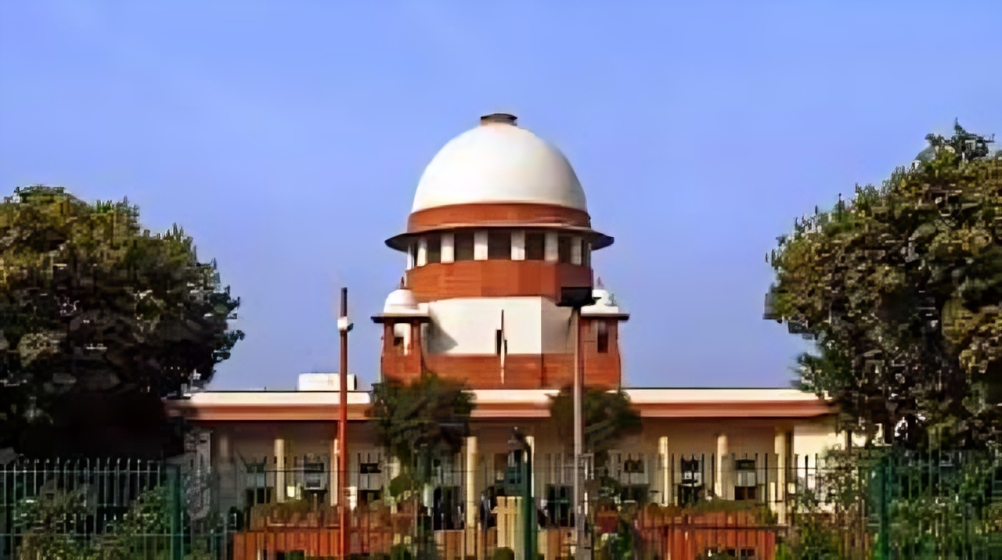
In December 2021, the Supreme Court of India dismissed the Maharashtra government’s plea requesting the disclosure of raw caste data from the 2011 Socio-Economic and Caste Census (SECC) to facilitate Other Backward Classes (OBC) reservations in local body elections. The Court reasoned that it could not compel the Centre to release data deemed “inaccurate” and “unusable” by the government itself. The Centre maintained that the SECC 2011 was not conducted under the Census Act of 1948 but was an executive exercise intended to assess the caste status of all households for targeted benefit delivery. Due to numerous errors, including spelling mistakes and misclassifications, the data was considered unreliable for official purposes.
The Centre further argued that conducting a caste census for Backward Classes is administratively challenging and has been consciously excluded from the purview of official census operations. The Supreme Court acknowledged the state’s right to pursue other legal remedies but emphasized that it could not mandate the use of flawed data. The Court also noted that Maharashtra had established its own commission to collect empirical data on caste.
This decision has reignited debates on the necessity and feasibility of a caste-based census in India, with various political parties advocating for updated data to inform social justice policies.
Sources

