Karnataka CET sacred thread news.
News HINDUSTAN TIMES, the indian express, LIVE LAW .IN, mint, yes punjab news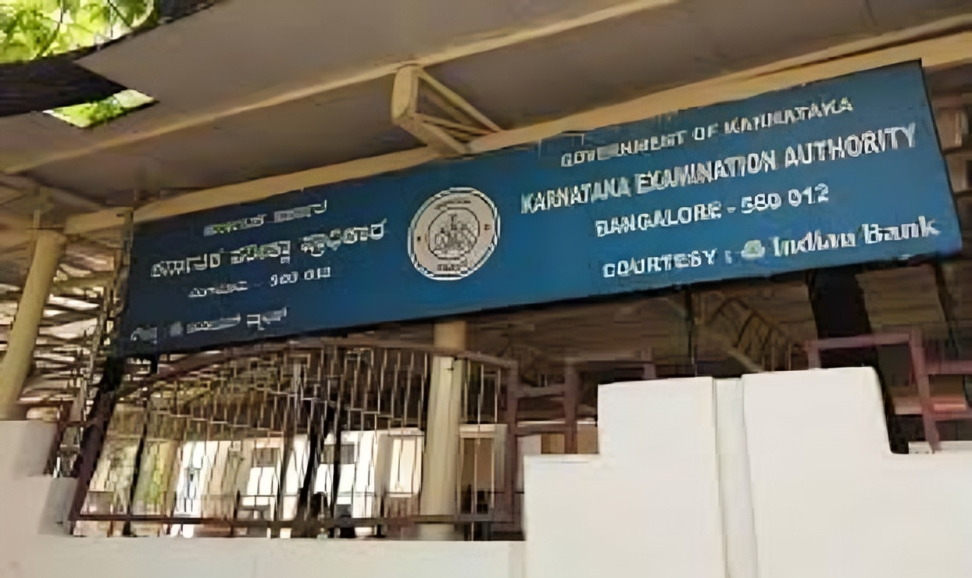
On April 26, 2025, the Karnataka High Court issued a notice to the state government in response to a Public Interest Litigation (PIL) filed by the Akhila Karnataka Brahmana Maha Sabha. The PIL challenges the actions of Karnataka Examination Authority (KEA) officials who allegedly barred students wearing the sacred thread (janivara) from entering Common Entrance Test (CET) examination halls, arguing that such actions infringe upon constitutional rights under Articles 21, 21A, 25, and 29(2) .
The incidents reportedly occurred during the CET exams held from April 17 to 19, 2025, across various districts including Bidar, Shivamogga, Dharwad, and Gadag. In Bidar, a student named Suchivrat Kulkarni alleged that he was denied entry to the exam hall for refusing to remove his sacred thread, leading to his missing the Mathematics paper . Similarly, in Shivamogga, students reported being compelled to remove their sacred threads, with some alleging that the threads were forcibly cut and discarded .
In response to these incidents, disciplinary actions have been taken. The principal and a clerk at Sai Spoorthi PU College in Bidar were dismissed for not adhering to KEA protocols that permit non-metallic sacred threads during exams . Additionally, two home guards in Shivamogga were suspended for instructing students to remove their sacred threads .
The PIL seeks several remedies, including a directive for the state to refrain from discriminating against students wearing sacred threads, the formulation of clear guidelines for examination conduct, and the reconduct of exams for affected students . The Karnataka High Court has acknowledged the seriousness of the allegations, noting potential violations of cultural and religious rights, and has requested a response from the state government.
This controversy follows previous debates in Karnataka over religious attire in educational settings, highlighting ongoing tensions between exam security protocols and the preservation of religious freedoms.
Sources

