Suspected Ebola Case in Delhi: BSF Constable Hospitalized for Test
NewsSuspected Ebola Case in Delhi: BSF Constable Hospitalized for Testing
Health authorities monitor BSF constable's condition after Congo return
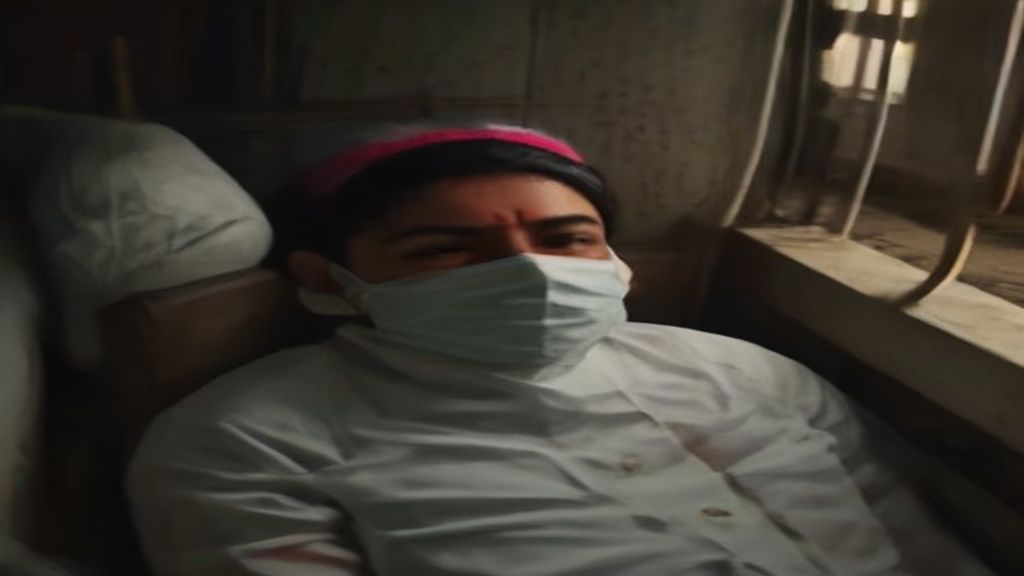
A suspected Ebola case has emerged in Delhi involving a BSF constable who recently returned from a mission in Congo. The constable developed a fever while in quarantine and was promptly admitted to an isolation ward at RML Hospital. Health officials have sent his blood sample for confirmatory testing to the National Institute of Virology (NIV) in Pune, as they closely monitor the situation.
Health authorities are taking this suspected Ebola case seriously, given the potential risks associated with the virus. The constable's symptoms raised immediate concerns, prompting swift action to ensure public safety. As of now, the Ebola infection has not been confirmed, but the situation remains under careful observation.
Monitoring the Suspected Ebola Case
Health officials are actively monitoring the suspected Ebola case in Delhi. The BSF constable's condition is being assessed regularly to determine any changes in his health status. Furthermore, the isolation ward at RML Hospital is equipped to handle such cases, ensuring that proper protocols are followed.
In addition to monitoring the patient, health authorities are also tracing any contacts the constable may have had during his return from Congo. This proactive approach aims to prevent any potential spread of the virus. The situation is evolving, and health officials are prepared to respond as necessary.
Understanding Ebola Virus Disease
Ebola Virus Disease (EVD) is a severe and often fatal illness in humans. It is caused by the Ebola virus, which is transmitted through direct contact with bodily fluids of infected individuals. Symptoms typically include fever, severe headache, muscle pain, and fatigue, followed by vomiting, diarrhea, and in some cases, internal and external bleeding.
As a result, health authorities emphasize the importance of early detection and isolation of suspected cases. The current suspected Ebola case in Delhi highlights the need for vigilance, especially among individuals returning from regions where the virus is endemic.
The Role of Health Authorities
Health authorities play a crucial role in managing suspected Ebola cases. They are responsible for implementing surveillance measures, conducting tests, and ensuring that appropriate care is provided to patients. In this instance, the swift action taken by the health officials demonstrates their commitment to public health and safety.
Moreover, the collaboration between local hospitals and national health agencies is vital in addressing potential outbreaks. The testing of the BSF constable's blood sample at NIV Pune is a key step in confirming or ruling out the presence of the Ebola virus.
Public Awareness and Safety Measures
Public awareness is essential in preventing the spread of Ebola. Health officials encourage individuals to be informed about the symptoms and transmission of the virus. In addition, they recommend practicing good hygiene and avoiding contact with potentially infected individuals.
Furthermore, travelers returning from regions affected by Ebola should monitor their health closely and seek medical attention if they develop symptoms. The suspected Ebola case in Delhi serves as a reminder of the importance of vigilance in safeguarding public health.
Future Implications of the Suspected Case
The suspected Ebola case in Delhi could have broader implications for public health policies and response strategies. If confirmed, it may prompt a review of current protocols for handling similar cases in the future. Health authorities may also consider enhancing surveillance measures for travelers returning from high-risk areas.
In addition, this situation underscores the need for ongoing education and training for healthcare professionals in recognizing and managing infectious diseases. As health officials await the test results, the focus remains on ensuring the safety and well-being of the community.
Source: