Owaisi Criticizes Vande Mataram Bill as Attack on Minorities’ Rig
NewsOwaisi Criticizes Vande Mataram Bill as Attack on Minorities' Rights
Owaisi and DMK condemn legislation as a threat to India's secularism and minority rights.
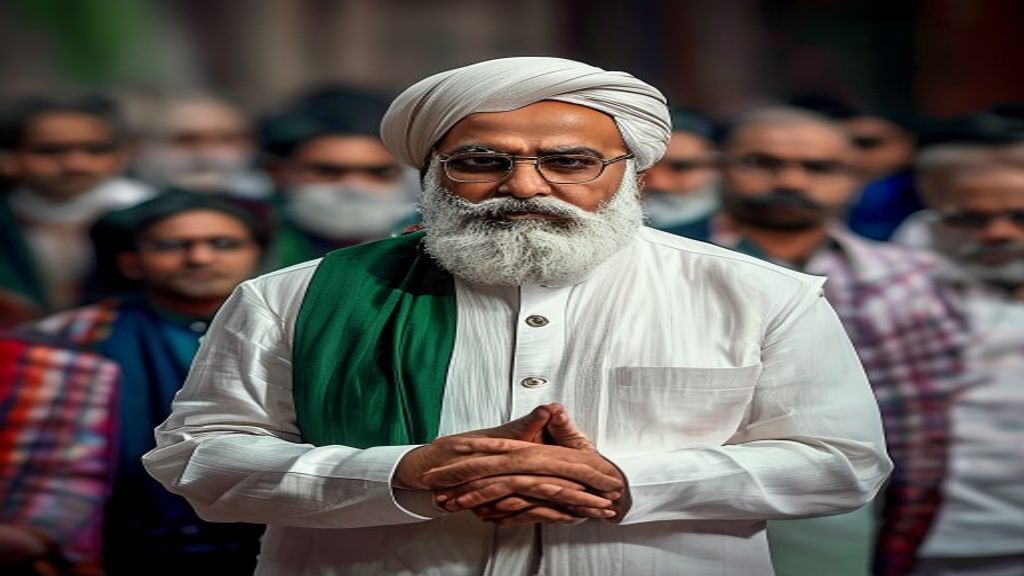
AIMIM leader Asaduddin Owaisi has voiced strong opposition to the recently proposed Vande Mataram Bill, which criminalizes insults to the national song. He argues that this legislation forces minorities to worship Hindu deities, thereby infringing on their religious freedoms. The bill has sparked significant controversy, with various opposition parties, including the DMK, labeling it a direct assault on India's secular principles.
Opposition to the Vande Mataram Bill
The Vande Mataram Bill has drawn sharp criticism from multiple political factions. Owaisi contends that the bill is an attempt to impose Hindu religious practices on all citizens, particularly targeting Muslims and other minority groups. He emphasizes that such legislation undermines the constitutional guarantee of religious freedom, which is a cornerstone of India's democracy.
Furthermore, DMK MP A Raja has echoed Owaisi's sentiments, describing the bill as a "fraud" against the secular fabric of the nation. Raja argues that the legislation does not reflect the diverse beliefs of India's population. Instead, it seeks to promote a singular narrative that aligns with Hindu nationalism, marginalizing those who do not adhere to these beliefs.
Concerns Over Religious Freedom
The introduction of the Vande Mataram Bill raises significant concerns regarding the protection of religious freedoms in India. Critics argue that the bill's provisions could lead to increased discrimination against minorities. By criminalizing insults to Vande Mataram, the government may inadvertently create an environment where dissenting voices are silenced.
In addition, opposition leaders have pointed out that the bill could set a dangerous precedent. If the government can dictate what constitutes acceptable expressions of patriotism, it risks alienating large segments of the population. This could further exacerbate communal tensions and undermine social cohesion in a country known for its pluralism.
Political Reactions and Implications
Political reactions to the Vande Mataram Bill have been swift and varied. The Congress party has raised questions about the Home Minister's absence during the bill's passage, suggesting a lack of transparency in the legislative process. This absence has fueled suspicions that the government is attempting to push through controversial measures without adequate debate.
Moreover, the opposition argues that the bill reflects a broader trend of the ruling party imposing its views on the populace. They contend that such actions threaten the democratic values that India has upheld for decades. As a result, many fear that the Vande Mataram Bill could lead to further polarization in an already divided political landscape.
The Role of Secularism in India
Secularism has been a foundational principle in India since its independence. The Vande Mataram Bill challenges this principle by promoting a specific religious narrative. Critics assert that the bill undermines the rights of individuals to practice their faith freely without coercion.
As discussions around the bill continue, many are calling for a reaffirmation of India's commitment to secularism. They argue that the government must respect the diverse beliefs of its citizens and ensure that all voices are heard in the legislative process. This respect for pluralism is essential for maintaining harmony in a nation characterized by its rich tapestry of cultures and religions.
Future of the Vande Mataram Bill
The future of the Vande Mataram Bill remains uncertain as it faces mounting opposition. Political analysts suggest that the government may need to reconsider its approach to avoid further backlash. Engaging in dialogue with opposition parties and civil society could help address the concerns raised by critics.
Furthermore, the ongoing debate surrounding the bill highlights the importance of protecting minority rights in India. As the nation grapples with issues of identity and belonging, it is crucial for lawmakers to prioritize inclusivity over divisiveness. The Vande Mataram Bill serves as a litmus test for the government's commitment to upholding the secular values enshrined in the Constitution.
In summary, the Vande Mataram Bill has ignited a fierce debate about religious freedom and secularism in India. With leaders like Owaisi and Raja leading the charge against it, the implications of this legislation will likely resonate throughout the political landscape for years to come.
Source: