July Monsoon Rainfall Surprises India, Defying El Nino Forecasts
NewsJuly Monsoon Rainfall Surprises India, Defying El Nino Forecasts
Unexpected July monsoon rainfall eases concerns over El Nino's impact on India’s climate patterns.
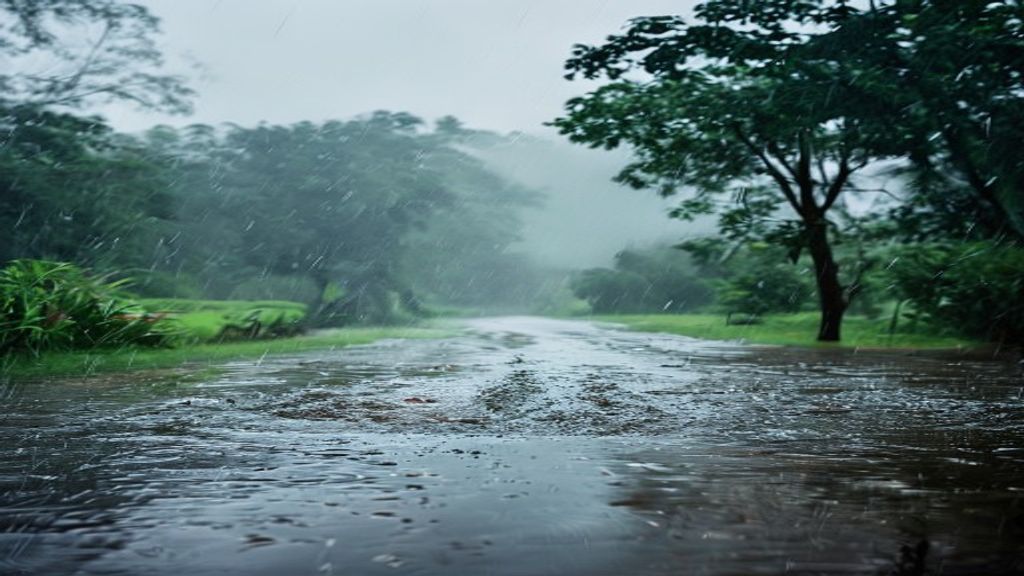
India's July monsoon rainfall has exceeded expectations, defying earlier forecasts that predicted below-normal precipitation levels. This unexpected surge in rainfall has alleviated fears of a significant shortfall for the nation. However, the distribution of rainfall remains uneven across various regions, highlighting the complexities of India's climate dynamics. Experts now assert that the phenomenon of El Nino alone cannot fully account for the changing patterns of rainfall in India.
Understanding July Monsoon Rainfall
The July monsoon is a critical period for India, as it significantly influences agriculture and water supply. This year, the July monsoon rainfall has surprised meteorologists and farmers alike. The Indian Meteorological Department (IMD) initially projected a dip in rainfall due to El Nino conditions. However, the actual rainfall data has shown a marked increase, leading to a reassessment of the factors influencing monsoon behavior.
Furthermore, the unexpected July monsoon rainfall has brought relief to farmers who rely heavily on this season for crop cultivation. The timely rains have improved soil moisture levels, which is crucial for the growth of various crops. As a result, agricultural experts are optimistic about the potential yield for the upcoming harvest season.
The Role of El Nino in Rainfall Patterns
El Nino is a climate phenomenon that typically affects weather patterns globally, including monsoon seasons in India. Traditionally, it has been associated with reduced rainfall during the monsoon months. However, this year's July monsoon rainfall challenges that narrative. Experts emphasize that while El Nino plays a role, it is not the sole factor influencing rainfall patterns in India.
In addition, climate change is increasingly recognized as a significant contributor to the variability in monsoon rainfall. The interaction between El Nino and climate change complicates predictions, making it difficult for meteorologists to provide accurate forecasts. As a result, understanding the nuances of these factors is essential for better climate resilience.
Regional Variations in Rainfall
Despite the overall increase in July monsoon rainfall, the distribution across India has been uneven. Some regions have experienced abundant rainfall, while others have faced deficits. This disparity raises concerns about water management and agricultural planning. States like Maharashtra and Karnataka have reported significant rainfall, benefiting their agricultural sectors.
However, regions such as Rajasthan and parts of Gujarat have not fared as well. The uneven distribution of July monsoon rainfall highlights the need for targeted interventions to support affected areas. Policymakers must consider these regional variations when developing strategies for water conservation and agricultural support.
Climate Change and Its Impact on Monsoon
Climate change is reshaping the landscape of monsoon patterns in India. Rising temperatures and changing weather systems are contributing to unpredictable rainfall behavior. Experts argue that the impact of climate change on monsoon rainfall is becoming increasingly evident. This shift complicates the traditional understanding of monsoon dynamics.
Moreover, the interplay between climate change and El Nino adds another layer of complexity. As global temperatures rise, the frequency and intensity of extreme weather events may increase. Consequently, understanding these changes is vital for developing effective climate adaptation strategies.
Future Implications for Agriculture
The implications of July monsoon rainfall extend beyond immediate relief for farmers. The unexpected increase in rainfall may influence agricultural practices and crop selection in the coming years. Farmers may need to adapt to changing rainfall patterns, which could affect their livelihoods.
Furthermore, agricultural experts suggest that investing in sustainable farming practices is essential for long-term resilience. This includes adopting water-efficient techniques and diversifying crop varieties to withstand variable rainfall. As a result, the agricultural sector must evolve to meet the challenges posed by climate change and unpredictable monsoon patterns.
Conclusion: A Call for Enhanced Monitoring
The recent July monsoon rainfall serves as a reminder of the complexities surrounding India's climate. As experts continue to study the interplay between El Nino and climate change, enhanced monitoring and research are crucial. Improved forecasting methods can help mitigate the impacts of unpredictable rainfall on agriculture and water resources.
In addition, collaboration between government agencies, researchers, and farmers is essential for developing effective strategies. By understanding the nuances of July monsoon rainfall and its implications, India can better prepare for future climate challenges.
Source: