CJP Criticizes SC on Pellet Guns Against Peaceful Protesters
NewsCJP Criticizes SC on Pellet Guns Against Peaceful Protesters
Chief Justice of Pakistan questions legality of using pellet guns on demonstrators during recent hearings.
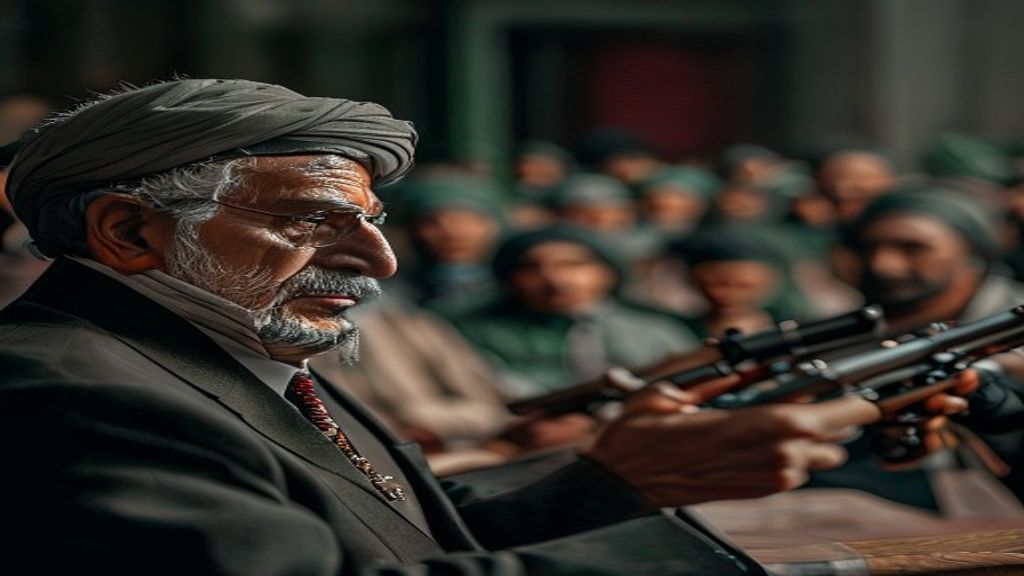
The Chief Justice of Pakistan (CJP) has raised serious concerns regarding the use of pellet guns against peaceful protesters. This discussion emerged during a recent Supreme Court hearing, where the CJP questioned the legality and ethical implications of such actions. The debate centers on the balance between maintaining public order and protecting citizens' rights to peaceful assembly.
Legal Framework Surrounding Pellet Guns
The use of pellet guns in crowd control has sparked significant debate in Pakistan. These weapons, often employed by law enforcement, are designed to incapacitate rather than kill. However, their use against peaceful protesters raises questions about human rights and the appropriate use of force. The CJP emphasized that the law must protect citizens, especially during peaceful demonstrations.
Furthermore, the legal framework governing the use of pellet guns is ambiguous. While law enforcement agencies argue that these weapons are necessary for maintaining order, critics argue that their use can lead to excessive force. The CJP's remarks highlight the need for clearer guidelines on when and how these weapons can be deployed.
Historical Context of Pellet Gun Usage
Historically, pellet guns have been used in various protests across Pakistan. Their deployment often coincides with heightened tensions between law enforcement and demonstrators. In many cases, the use of these weapons has resulted in severe injuries, raising concerns about their appropriateness in handling peaceful protests.
In addition, the international community has scrutinized Pakistan's use of pellet guns. Human rights organizations have documented instances where these weapons caused significant harm to unarmed individuals. The CJP's recent comments reflect a growing awareness of the need for accountability in law enforcement practices.
Impact on Civil Liberties
The use of pellet guns against peaceful protesters poses a direct threat to civil liberties. Citizens have the right to express their opinions and assemble peacefully without fear of violent retaliation. The CJP's questioning of the Supreme Court's stance on this issue underscores the importance of protecting these fundamental rights.
Moreover, the psychological impact on communities subjected to such violence can be profound. Fear of repression can deter individuals from participating in future protests, undermining democratic processes. The CJP's advocacy for clearer regulations aims to safeguard these civil liberties.
Public Response and Activism
Public response to the use of pellet guns has been vocal and widespread. Activists and civil society organizations have rallied against the practice, demanding accountability from law enforcement. Protests have erupted in various cities, calling for a ban on pellet guns during peaceful demonstrations.
As a result, the discourse surrounding this issue has gained momentum. Citizens are increasingly aware of their rights and are willing to challenge practices that infringe upon them. The CJP's remarks resonate with these sentiments, encouraging a more robust dialogue on the protection of peaceful protesters.
Future Implications for Law Enforcement
The implications of the CJP's statements extend beyond the courtroom. Law enforcement agencies may need to reassess their strategies for crowd control. The emphasis on protecting peaceful protesters could lead to the development of alternative methods that prioritize de-escalation over force.
Furthermore, the Supreme Court's eventual ruling on this matter could set a precedent for future cases involving the use of pellet guns. A decision that favors the protection of peaceful assembly may encourage law enforcement to adopt more humane practices. This shift could ultimately enhance public trust in the justice system.
Conclusion of Legal and Ethical Considerations
The ongoing debate about the use of pellet guns against peaceful protesters highlights critical legal and ethical considerations. The CJP's scrutiny of the Supreme Court's position reflects a growing recognition of the need to balance public safety with individual rights. As discussions continue, the future of protest rights in Pakistan hangs in the balance, with significant implications for civil society.
Source: