Kharge Criticizes Anti-Paper Leak Law, Supports NEET Protests
NewsKharge Criticizes Anti-Paper Leak Law, Supports NEET Protests
Congress Leader Kharge Calls Government's Law Changes Insufficient Amid NEET Protests
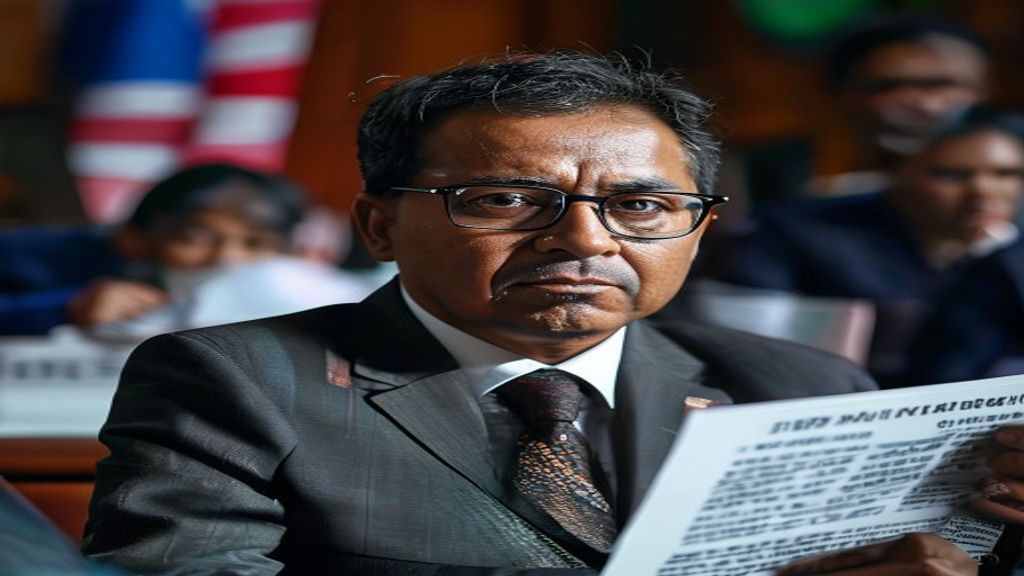
Congress leader Mallikarjun Kharge recently criticized the government's approach to the anti-paper leak law during a rally supporting NEET protests. He expressed his concerns about the effectiveness of the law, stating that the proposed changes are merely superficial. This statement came during a significant event in New Delhi on October 10, 2023, where students and activists gathered to voice their frustrations over the ongoing issues surrounding NEET examinations.
Kharge emphasized that the anti-paper leak law fails to address the root causes of examination malpractices. He argued that the government’s efforts appear to be a mere facade, lacking genuine commitment to reform. The Congress leader's remarks resonate with many students who feel that the current measures do not adequately protect their interests or ensure fair examination practices.
Kharge's Stance on Examination Integrity
Kharge's comments highlight a growing discontent among students regarding the integrity of examination processes. The anti-paper leak law, introduced to combat cheating and corruption, has faced criticism for its limited scope. Many believe that without comprehensive reforms, the law will not significantly deter malpractice.
Furthermore, Kharge pointed out that the government has not taken sufficient steps to ensure transparency in the examination system. He called for a more robust framework that not only penalizes offenders but also safeguards the rights of honest students. This call for reform aligns with the demands of NEET protesters who seek a fair and equitable examination process.
The Impact of NEET Protests
The NEET protests have gained momentum, with students from various states uniting to demand changes in the examination system. They argue that the current structure is flawed and disproportionately affects students from disadvantaged backgrounds. The protests have drawn attention to the need for a more inclusive and accessible education system.
As a result, Kharge's support for these protests underscores the political implications of the ongoing unrest. The Congress party aims to position itself as a champion for students' rights, contrasting its stance with that of the ruling government. This strategy could potentially galvanize support among young voters ahead of upcoming elections.
Government's Response to Criticism
In response to Kharge's allegations, government officials defended the anti-paper leak law as a necessary step toward ensuring examination integrity. They argue that the law has already led to significant arrests and investigations into cheating syndicates. However, critics, including Kharge, remain skeptical about the law's effectiveness in the long term.
Moreover, the government has announced plans to review the law and consider amendments. However, many students and activists remain unconvinced that these changes will address their concerns adequately. They demand a more comprehensive approach that includes input from educational experts and student representatives.
The Role of Political Parties in Education Reform
Political parties play a crucial role in shaping education policy and addressing student grievances. Kharge's vocal support for the NEET protests reflects a broader trend where political leaders align themselves with youth movements. This alignment can influence public perception and mobilize support for necessary reforms.
In addition, the Congress party's focus on education reform could resonate with voters who prioritize educational issues. By advocating for a more transparent and fair examination system, the party aims to establish itself as a leader in educational policy. This strategy may prove beneficial as the political landscape evolves.
Future of the Anti-Paper Leak Law
Looking ahead, the future of the anti-paper leak law remains uncertain. While the government has indicated a willingness to amend the law, the effectiveness of these changes will depend on their implementation. Stakeholders, including students, educators, and policymakers, must collaborate to create a more robust framework that addresses the complexities of examination integrity.
Furthermore, ongoing protests may influence the government's approach to education reform. As students continue to voice their concerns, it is essential for political leaders to listen and respond to their demands. The outcome of these discussions could shape the future of examination policies in India.
Conclusion of the Ongoing Debate
The debate surrounding the anti-paper leak law and NEET protests highlights the critical intersection of education and politics in India. As students continue to advocate for their rights, the role of political leaders like Kharge becomes increasingly significant. Their support can amplify student voices and drive meaningful change in the education system.
In summary, the ongoing discussions about the anti-paper leak law and NEET protests reflect a broader desire for reform in India's educational landscape. As the situation evolves, it will be crucial for all stakeholders to engage in constructive dialogue to ensure a fair and equitable examination process for all students.
Source: