Harish Salve Advocates Dissent in Democracy at SCBA Event
NewsHarish Salve Advocates Dissent in Democracy at SCBA Event
Legal experts gather to discuss the importance of accountability and free speech in India.
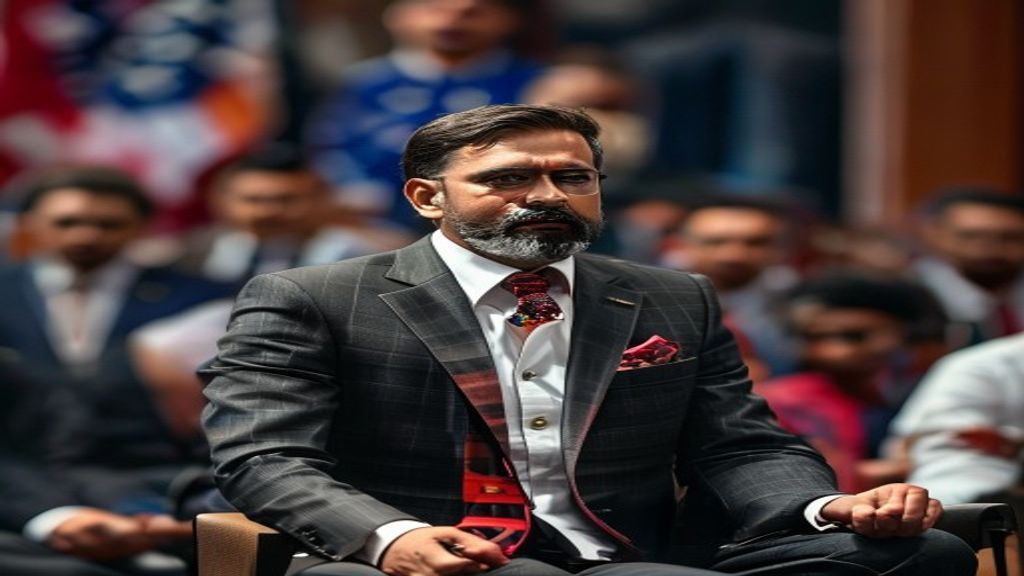
Harish Salve, a prominent legal expert, emphasized the importance of dissent in democracy during the AK Sen Memorial Lecture and Photograph Unveiling Ceremony held by the Supreme Court Bar Association (SCBA). The event took place recently, gathering several senior members of the legal community to honor the legacy of AK Sen. Salve argued that holding those in power accountable is crucial for a thriving constitutional democracy, highlighting the role of dissent in fostering a healthy political environment.
The SCBA President, Vikas Singh, paid tribute to Sen's significant contributions to the legal profession. He acknowledged the impact of Sen's work on the legal landscape in India. Furthermore, Attorney General for India, R. Venkataramani, also spoke at the event, reflecting on Sen's enduring legacy and the importance of maintaining a robust legal framework in the country.
The Role of Dissent in Constitutional Democracy
Dissent in democracy is not just a right; it is a fundamental necessity for accountability. Salve pointed out that citizens must feel empowered to criticize government actions without fear of reprisal. He stressed that dissent should be viewed as a constructive force rather than a threat to national integrity. This perspective is vital for nurturing a democratic ethos where diverse opinions can coexist.
Moreover, Salve's remarks resonate with the current climate of political discourse in India. As debates around freedom of speech intensify, the need for a balanced approach to dissent becomes increasingly apparent. Citizens must engage in dialogue and express their views while respecting the nation's unity and integrity.
The Importance of Accountability in Governance
Accountability is a cornerstone of effective governance. During the ceremony, Salve reiterated that those in power must be held responsible for their actions. He argued that a lack of accountability can lead to corruption and abuse of power, undermining public trust in government institutions. This sentiment was echoed by other speakers at the event, who highlighted the need for transparency in governance.
In addition, the legal fraternity plays a crucial role in advocating for accountability. Lawyers and legal experts must champion the cause of justice and ensure that the voices of the marginalized are heard. By doing so, they contribute to a more equitable society where everyone has the opportunity to participate in the democratic process.
The Legacy of AK Sen and Its Relevance Today
AK Sen's contributions to the legal profession continue to inspire many in the field. His commitment to justice and integrity serves as a reminder of the values that underpin a functioning democracy. Salve and other speakers at the event reflected on how Sen's legacy can guide current and future generations of legal professionals.
Furthermore, the principles that Sen championed are increasingly relevant in today's context. As India navigates complex social and political challenges, the need for strong legal advocates who uphold democratic values is more critical than ever. Legal professionals must draw inspiration from Sen's work to foster a culture of accountability and respect for dissent.
The Impact of Social Media on Dissent
Social media has transformed the landscape of dissent in democracy. It provides a platform for individuals to voice their opinions and mobilize support for various causes. However, Salve cautioned against the potential misuse of social media for spreading misinformation or inciting violence. He urged citizens to engage responsibly and thoughtfully in online discussions.
Moreover, the role of social media in shaping public opinion cannot be underestimated. As a tool for activism, it can amplify marginalized voices and bring attention to pressing issues. However, it is essential for users to discern credible information from false narratives to maintain the integrity of democratic discourse.
Future of Dissent in India
Looking ahead, the future of dissent in democracy hinges on the collective efforts of citizens, legal professionals, and policymakers. Salve's insights at the SCBA event underscore the importance of fostering an environment where dissent is encouraged and respected. This approach will not only strengthen democratic institutions but also empower individuals to participate actively in governance.
As India continues to evolve, the dialogue surrounding dissent must remain open and inclusive. By embracing diverse perspectives and encouraging constructive criticism, the nation can build a more resilient democracy that honors the principles of justice and accountability.
Source: