Over 100,000 Schools in India Operate with Just One Teacher
NewsOver 100,000 Schools in India Operate with Just One Teacher
Over 100,000 schools in India rely on a single teacher, revealing gaps in education quality and staffing.
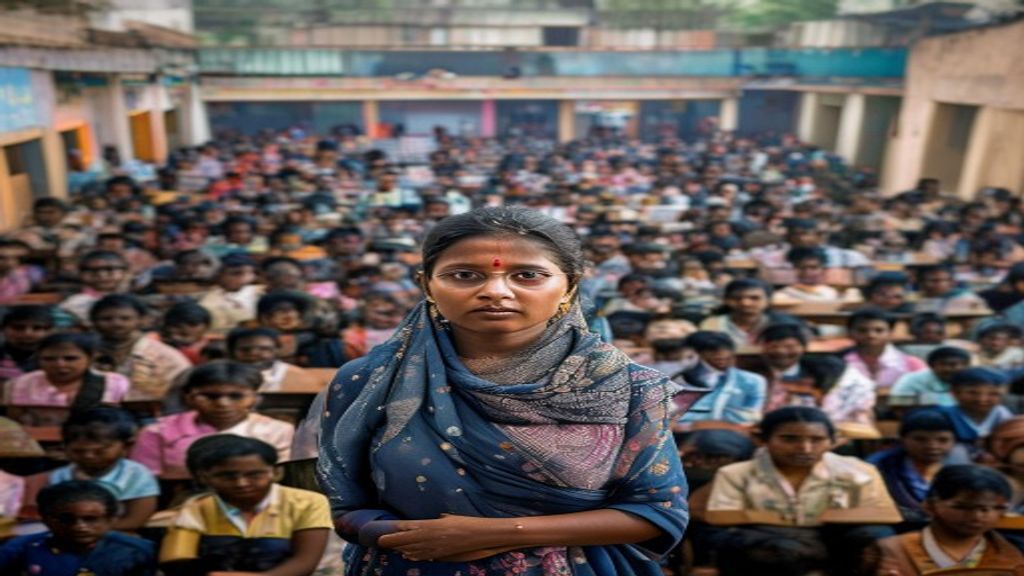
More than 100,000 schools in India currently function with only a single teacher, raising concerns about educational quality and resource allocation. This situation is particularly pronounced in Andhra Pradesh, which has over 16,000 single teacher schools. The reliance on a single teacher in these institutions highlights significant gaps in teacher deployment across the nation, despite the government's efforts to improve educational standards.
The issue of single teacher schools in India stems from various factors, including teacher vacancies caused by retirements, resignations, and fluctuating student enrollments. As a result, many students in these schools may not receive the comprehensive education they deserve. The government and educational authorities are urged to address these staffing challenges to enhance the learning environment.
The Impact of Single Teacher Schools in India
Single teacher schools in India face numerous challenges that affect both teachers and students. With only one educator responsible for multiple grades and subjects, the quality of education often suffers. Teachers may struggle to provide adequate attention to each student, leading to gaps in learning and understanding.
Furthermore, the lack of resources in these schools can exacerbate the situation. Many single teacher schools operate in rural or underserved areas, where access to educational materials and technology is limited. This lack of support can hinder the teacher's ability to deliver effective lessons and engage students in meaningful ways.
Teacher Vacancies and Their Causes
The high number of single teacher schools in India can be attributed to various causes, primarily teacher vacancies. Retirements and resignations contribute significantly to this issue. Many teachers leave the profession due to low salaries, lack of job security, or better opportunities elsewhere.
In addition, changing student enrollments can lead to unexpected staffing shortages. Schools may experience fluctuations in student numbers, making it challenging to maintain a stable teaching staff. As a result, educational authorities must prioritize filling these vacancies to ensure that every student has access to quality education.
The Role of Technology in Education
Technology can play a crucial role in addressing the challenges faced by single teacher schools in India. By integrating digital tools and resources, teachers can enhance their teaching methods and engage students more effectively. For instance, online learning platforms can provide additional resources and support for both teachers and students.
Moreover, technology can help streamline administrative tasks, allowing teachers to focus more on instruction. Educational authorities are encouraged to invest in training programs that equip teachers with the skills needed to utilize technology effectively in the classroom. This investment can lead to improved educational outcomes for students in single teacher schools.
Government Initiatives to Improve Staffing
The Indian government has recognized the need to address the issue of single teacher schools and has initiated several programs aimed at improving staffing levels. These initiatives include recruitment drives to fill vacant teaching positions and incentives for teachers willing to work in underserved areas.
Additionally, the government is exploring partnerships with non-governmental organizations (NGOs) to provide support and resources to single teacher schools. These collaborations can help bridge the gap in educational quality and ensure that students receive the attention they need to succeed.
Community Involvement in Education
Community involvement is essential in addressing the challenges faced by single teacher schools in India. Local communities can play a vital role in supporting educational initiatives and advocating for better resources. By engaging parents and community members, schools can create a more supportive learning environment.
Furthermore, community-driven programs can help supplement the efforts of single teachers. Volunteer tutors or after-school programs can provide additional academic support to students, helping to mitigate the effects of having only one teacher. This collaborative approach can foster a sense of ownership and investment in the education of local children.
The Future of Education in India
The future of education in India hinges on addressing the challenges posed by single teacher schools. By prioritizing teacher recruitment, leveraging technology, and fostering community involvement, the country can work towards a more equitable education system.
As educational authorities implement these strategies, it is crucial to monitor their effectiveness and make necessary adjustments. Ensuring that every student has access to quality education is essential for the nation's growth and development. The focus on improving single teacher schools will ultimately contribute to a brighter future for India's youth.
Source: