Rajya Sabha Adjourned Amid Opposition Protests Over Police Action
NewsRajya Sabha Adjourned Amid Opposition Protests Over Police Action
Opposition demands Amit Shah's statement on police action against demonstrators
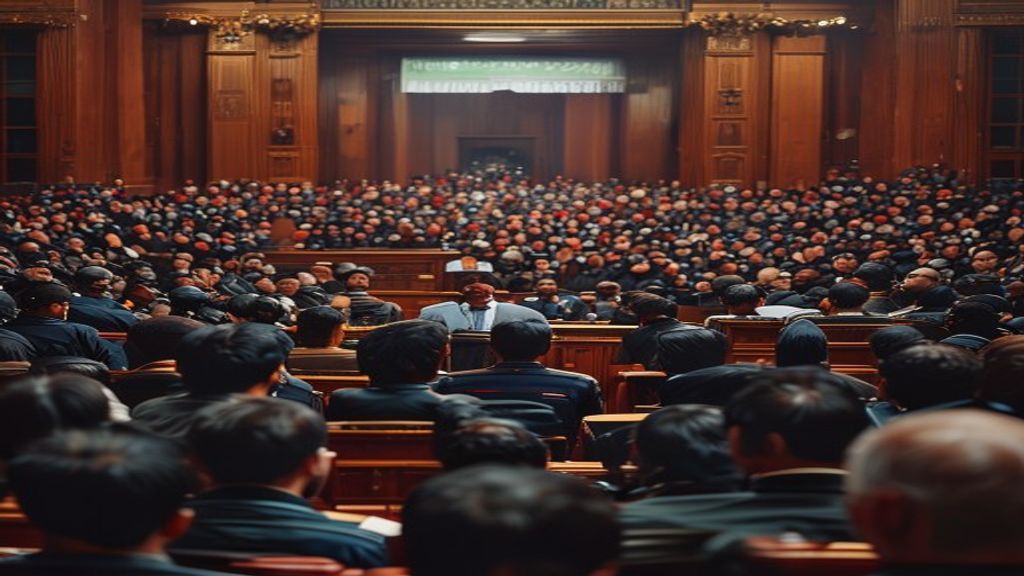
The Rajya Sabha adjourned for the day due to intense opposition protests demanding a statement from Union Home Minister Amit Shah regarding police action against demonstrators. The incident unfolded shortly after the House convened at 11 am, highlighting the ongoing tensions between the government and opposition parties. This situation underscores the growing unrest surrounding police conduct during recent protests.
Opposition Protests Intensify in Rajya Sabha
The atmosphere in the Rajya Sabha became charged as opposition members vocally demanded accountability from the government. They insisted that Amit Shah address the House to clarify the rationale behind the police's actions against peaceful demonstrators. As a result, the Deputy Chairperson was compelled to adjourn the session shortly after it began. This marked a significant moment in the ongoing discourse about civil rights and police authority in India.
Furthermore, the opposition's insistence on Shah's statement reflects broader concerns about governance and public safety. The protests are not merely about a single incident; they represent a growing frustration with how law enforcement handles dissent. This situation has prompted various political factions to unite in their demand for transparency and accountability.
Legislative Business Disrupted
Despite attempts to conduct legislative business, the ongoing protests hindered progress in the Rajya Sabha. Opposition MPs continued their sloganeering, making it clear that they would not back down until their demands were met. The Deputy Chairperson's decision to adjourn the House until Wednesday indicates the severity of the situation and the challenges faced by the government in maintaining order.
In addition, the disruption highlights the increasing polarization in Indian politics. The opposition's strategy to leverage public sentiment against police actions may resonate with many citizens who feel their rights are being infringed upon. This dynamic could have significant implications for future legislative sessions and the government's ability to push through its agenda.
Government's Response to Protests
The government's response to the protests has been cautious yet firm. Officials have emphasized the need for maintaining law and order while also acknowledging the right to peaceful assembly. However, the lack of a clear statement from Amit Shah has left many questions unanswered, fueling further unrest among opposition members.
Moreover, the ongoing protests in the Rajya Sabha are part of a larger narrative regarding police accountability in India. As public scrutiny of law enforcement practices increases, the government faces mounting pressure to address these concerns. The need for a balanced approach that respects both public safety and civil liberties has never been more critical.
Implications for Future Sessions
The adjournment of the Rajya Sabha raises questions about the future of legislative proceedings in the current political climate. With opposition parties increasingly vocal about their demands, the government may need to adopt a more conciliatory approach to avoid further disruptions. The ability to navigate these challenges will be crucial for maintaining legislative productivity.
Furthermore, the ongoing protests may influence public perception of the government. If the opposition successfully frames the narrative around police actions as a violation of democratic rights, it could lead to increased support for their cause. This shift in public sentiment may impact future elections and the overall political landscape in India.
The Role of Civil Society
Civil society plays a pivotal role in shaping the discourse around police actions and government accountability. As protests continue, various organizations and activists are likely to amplify their calls for reform. This grassroots movement could further pressure the government to respond to the opposition's demands.
In addition, the involvement of civil society can enhance public awareness about the importance of protecting democratic rights. By fostering dialogue and encouraging civic engagement, these organizations can help bridge the gap between the government and the citizens it serves. The ongoing situation in the Rajya Sabha serves as a reminder of the vital role that civil society plays in a healthy democracy.
Conclusion of the Day's Events
As the Rajya Sabha adjourned, the implications of the day's events lingered in the air. The opposition's demands for a statement from Amit Shah reflect a broader struggle for accountability and transparency in governance. The ongoing protests signal a critical moment in Indian politics, one that may shape the future of legislative processes and civil rights in the country.
Source: