Centre Issues 7th Draft for Ecological Zones in Western Ghats
NewsCentre Issues 7th Draft for Ecological Zones in Western Ghats
New draft aims to protect sensitive areas amid state objections and livelihood concerns.
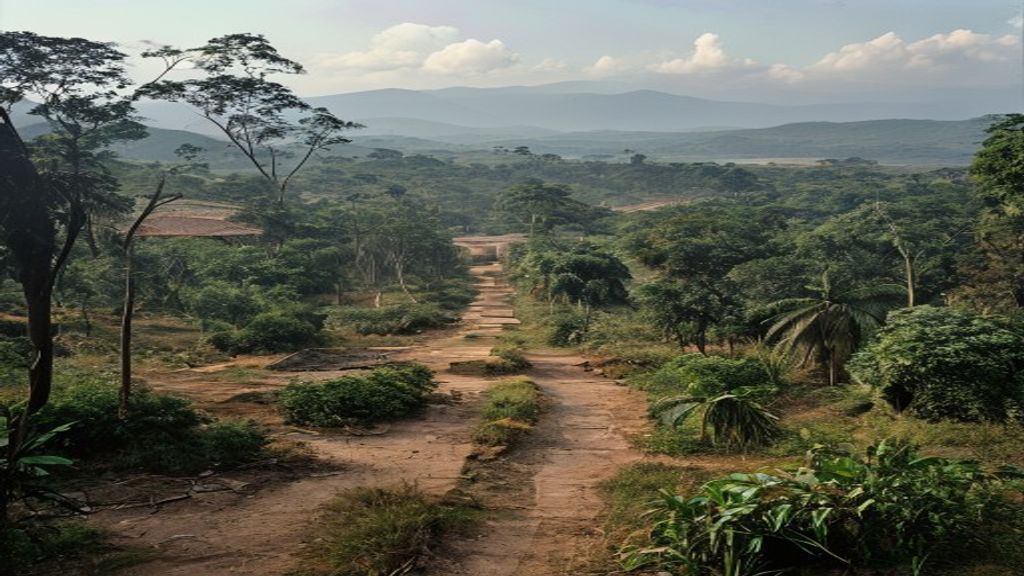
The Centre has unveiled its seventh draft notification for ecological zones in the Western Ghats, a significant move aimed at safeguarding 56,825 square kilometers across six Indian states. This initiative, announced recently, seeks to address environmental concerns while balancing the livelihoods of local communities. States like Kerala have raised objections, emphasizing the need for careful consideration of economic impacts.
Overview of the Ecological Zones in Western Ghats
The ecological zones in the Western Ghats are critical for biodiversity and environmental health. This region is home to numerous endemic species and plays a vital role in climate regulation. The seventh draft notification aims to establish protective measures for these areas, ensuring their preservation for future generations.
Furthermore, the draft outlines a phased implementation strategy. This approach could potentially expedite the conservation process while allowing for adjustments based on feedback from local stakeholders. The government hopes that this flexibility will address some of the concerns raised by states.
State Reactions to the Draft Notification
Local governments have expressed mixed reactions to the seventh draft notification. Kerala, in particular, has voiced strong objections, citing potential threats to livelihoods. The state's economy heavily relies on agriculture and tourism, both of which could be impacted by stringent regulations.
In addition, other states have echoed similar sentiments. They argue that while conservation is essential, it should not come at the cost of local economies. As a result, there is a call for more inclusive discussions that consider both environmental and economic factors.
Historical Context of Ecological Conservation Efforts
The current draft is part of a long-standing effort to conserve the Western Ghats, which began in 2011. Previous attempts have faced challenges, including pushback from local communities and political entities. Each draft has aimed to refine the approach to ecological zones, balancing conservation with development needs.
Moreover, the ecological significance of the Western Ghats cannot be overstated. Recognized as a UNESCO World Heritage Site, this region is crucial for maintaining ecological balance. The ongoing efforts reflect a growing awareness of the need for sustainable practices in environmental management.
Phased Implementation Strategy
The phased implementation strategy outlined in the seventh draft is designed to facilitate a smoother transition to conservation measures. This approach allows for gradual adjustments based on real-time feedback from affected communities.
Consequently, stakeholders can engage in discussions about the implications of the ecological zones. This dialogue is essential for ensuring that the needs of local populations are met while still achieving conservation goals. The government aims to create a framework that supports both ecological integrity and economic viability.
Future Implications for the Western Ghats
Looking ahead, the seventh draft notification could set a precedent for future conservation efforts in India. If successful, it may inspire similar initiatives in other ecologically sensitive regions. The balance between environmental protection and economic development will be crucial in shaping the future of the Western Ghats.
Furthermore, the outcome of this draft will likely influence public policy and community engagement strategies. As the government navigates these complex issues, the feedback from local stakeholders will play a pivotal role in determining the effectiveness of the ecological zones.
Conclusion of the Draft Notification Process
As the seventh draft notification for ecological zones in the Western Ghats moves forward, the focus remains on collaboration and transparency. The government is committed to addressing the concerns raised by states while ensuring the protection of this vital ecological region.
In summary, the ongoing discussions and adjustments to the draft will be critical in shaping the future of the Western Ghats. The outcome will reflect the delicate balance between conservation efforts and the livelihoods of those who depend on this rich and diverse landscape.
Source: