Farmers Breach Police Barricades in Demand for MSP Reforms
NewsFarmers Breach Police Barricades in Demand for MSP Reforms
Protesting farmers push for Minimum Support Price reforms in Bhopal, clashing with police forces.
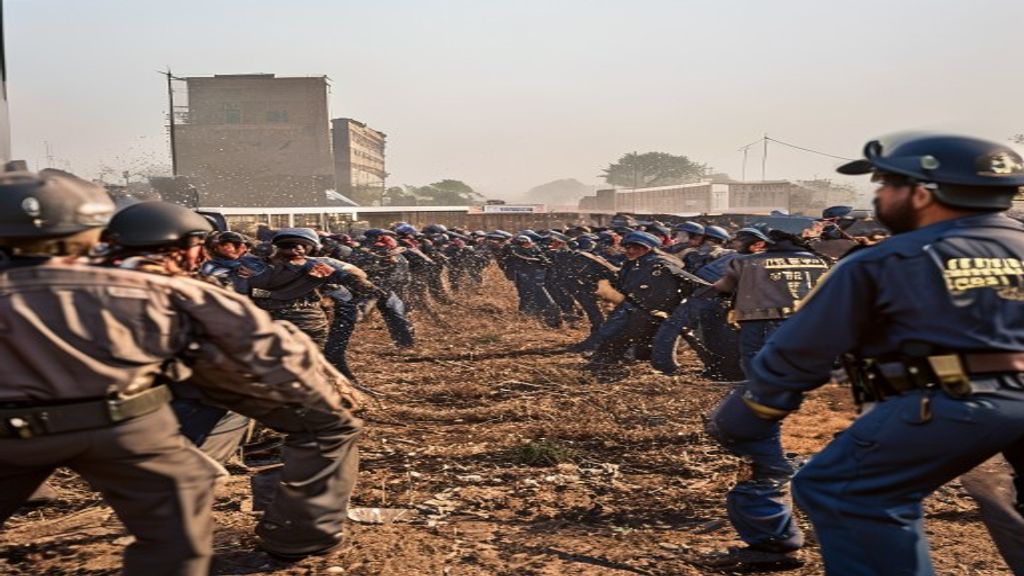
Farmers in India are making headlines as they breach police barricades while marching towards Bhopal to demand MSP reforms. This significant protest, which began on October 15, 2023, highlights the ongoing struggle for fair pricing in agriculture. The farmers are advocating for a Minimum Support Price (MSP) that ensures their livelihoods and addresses the rising costs of farming.
Background of the MSP Reforms Movement
The demand for MSP reforms has been a long-standing issue in India. Farmers argue that the current MSP does not cover their production costs, leading to financial distress. The government has been urged to revise the MSP to reflect the actual cost of cultivation, ensuring farmers receive a fair return on their investments.
Furthermore, the protests have gained momentum due to the increasing awareness of farmers' rights and the need for sustainable agricultural practices. As a result, many farmers from various states have united to voice their concerns, emphasizing the urgency of the situation.
The March to Bhopal
On October 15, thousands of farmers began their march towards Bhopal, aiming to reach the state capital by October 20. The farmers, equipped with banners and slogans, are determined to make their voices heard. They believe that direct action is necessary to draw attention to their plight and to push for MSP reforms.
However, police forces have set up barricades to prevent the farmers from entering the city. This has led to clashes between the two groups, with protesters demanding the right to peacefully assemble and express their grievances. The situation remains tense as both sides stand firm in their positions.
Government Response to the Protests
In response to the escalating protests, the government has called for dialogue with farmer representatives. Officials have stated that they are open to discussing the demands for MSP reforms. However, many farmers remain skeptical about the government's commitment to addressing their concerns.
In addition, the government has emphasized that it is working on policies to improve the agricultural sector. Yet, farmers argue that these measures are insufficient and do not address the core issue of fair pricing. The ongoing protests reflect the deep-rooted frustrations within the farming community.
Impact of MSP Reforms on Farmers
The implementation of effective MSP reforms could significantly impact farmers' livelihoods. By ensuring that farmers receive a fair price for their crops, these reforms could reduce the financial burden many face. This, in turn, could lead to increased investment in agriculture, improved crop yields, and enhanced food security.
Moreover, MSP reforms could help stabilize the agricultural market, providing farmers with a safety net during times of economic uncertainty. As a result, many farmers are advocating for these changes to secure their futures and the future of agriculture in India.
The Role of Civil Society in Supporting Farmers
Civil society organizations have played a crucial role in supporting the farmers' movement for MSP reforms. These groups have mobilized resources, provided legal assistance, and raised awareness about the farmers' plight. They have also facilitated communication between farmers and government officials, aiming to bridge the gap between the two parties.
Furthermore, social media has become a powerful tool for farmers to share their stories and garner support from the public. As more people become aware of the challenges faced by farmers, the movement for MSP reforms continues to gain traction.
Future of the MSP Reforms Movement
Looking ahead, the future of the MSP reforms movement remains uncertain. While the government has expressed a willingness to engage in dialogue, farmers are demanding concrete actions rather than promises. The ongoing protests in Bhopal serve as a reminder of the urgent need for systemic change in the agricultural sector.
As the situation develops, it will be crucial for both the government and farmers to find common ground. The outcome of these negotiations could shape the future of agriculture in India and determine the fate of countless farmers across the nation.
Source: