Tamil Nadu Governor judgment.
News LIVE LAW, wikipedia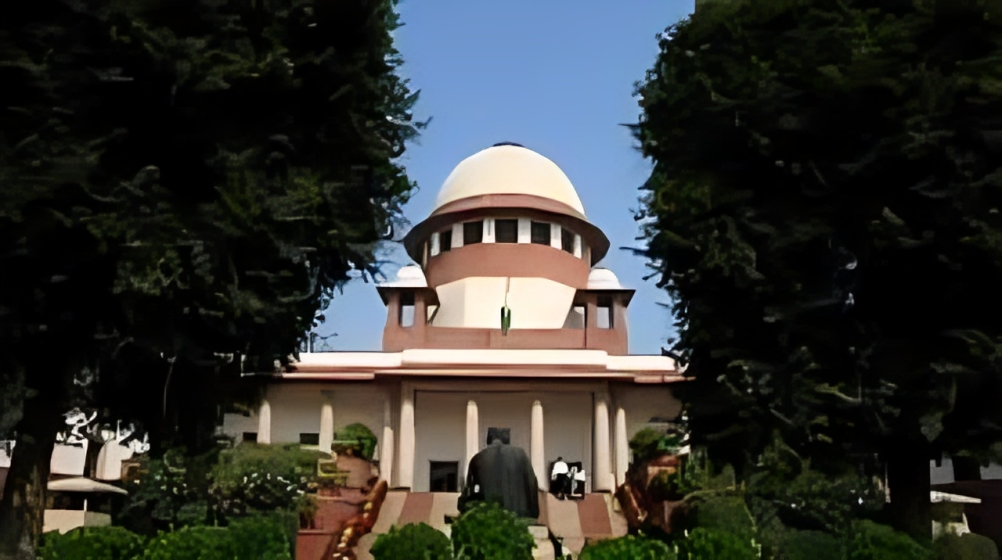
On April 22, 2025, the Supreme Court of India was informed by Attorney General R. Venkataramani and Solicitor General Tushar Mehta that the recent judgment concerning the Tamil Nadu Governor’s delay in assenting to bills does not apply to Kerala’s similar petition. They emphasized that the Tamil Nadu ruling was based on specific facts unique to that case and should not be generalized to other states.
In the Tamil Nadu case, the Supreme Court had ruled that Governor R.N. Ravi’s prolonged withholding of assent to ten bills was unconstitutional. The Court clarified that under Article 200 of the Constitution, a Governor has three options: grant assent, withhold assent and return the bill for reconsideration, or reserve the bill for the President’s consideration. Importantly, the Court stated that if a bill is re-passed by the legislature after being returned, the Governor is obliged to grant assent and cannot reserve it for the President. Additionally, the Court prescribed timelines for the Governor’s actions to prevent indefinite delays.
Kerala’s petition challenges Governor Arif Mohammed Khan’s delay in assenting to bills passed by the state legislature. However, the Attorney General and Solicitor General argued that the circumstances in Kerala differ from those in Tamil Nadu, and therefore, the Tamil Nadu judgment should not be applied to Kerala’s case. The Supreme Court has scheduled Kerala’s petition for hearing on May 6, 2025.
Sources
