Supreme Court cryptocurrency guidelines.
News deccan herald, legaleagleweb.com, binance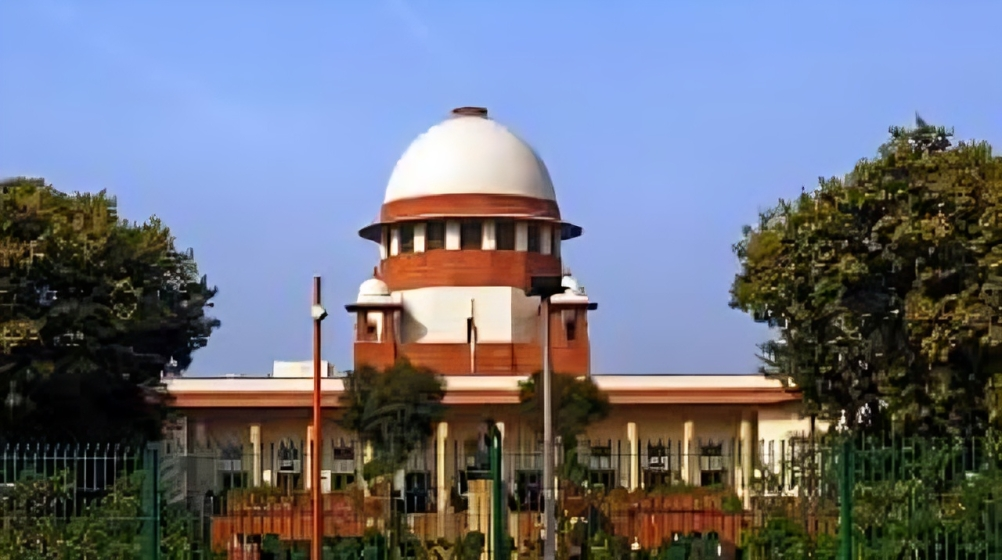
On April 16, 2025, the Supreme Court of India dismissed a Public Interest Litigation (PIL) that sought the establishment of guidelines to regulate cryptocurrency transactions, particularly to address fraudulent activities. The petition was filed by Manu Prashant Wig, a former film industry executive currently in judicial custody for alleged involvement in a cryptocurrency fraud case. The petition aimed to direct the government to formulate a regulatory framework for cryptocurrency trading and mining.
The bench comprising Justices B.R. Gavai and Augustine George Masih noted that such matters fall within the legislative domain and are not within the judicial purview. Justice Gavai remarked, “It is in the domain of policymakers. How can we issue any such direction? We cannot lay down the law.” The court advised the petitioners to approach the appropriate authorities for resolution
This decision underscores the Supreme Court’s stance that the regulation of cryptocurrencies is a policy matter that should be addressed by the legislature and executive branches of the government. The court’s refusal to entertain the PIL indicates a reluctance to intervene in matters that are primarily within the domain of policymakers.
While the Supreme Court has previously taken steps to support the cryptocurrency industry, such as lifting the Reserve Bank of India’s banking ban on crypto transactions, this recent dismissal highlights the ongoing challenges in establishing a comprehensive legal framework for cryptocurrencies in India.
As of now, India does not have a dedicated law to regulate cryptocurrencies, and the government’s position remains undecided. Authorities have indicated intentions to align with global best practices but have not yet introduced specific legislation to govern the use of digital currencies .
Sources
