Supreme Court Dismisses DMK Plea on Karur Stampede Case Regulation
NewsSupreme Court Dismisses DMK Plea on Karur Stampede Case Regulations
Supreme Court's ruling limits DMK's influence on court proceedings regarding the tragic Karur stampede incident.
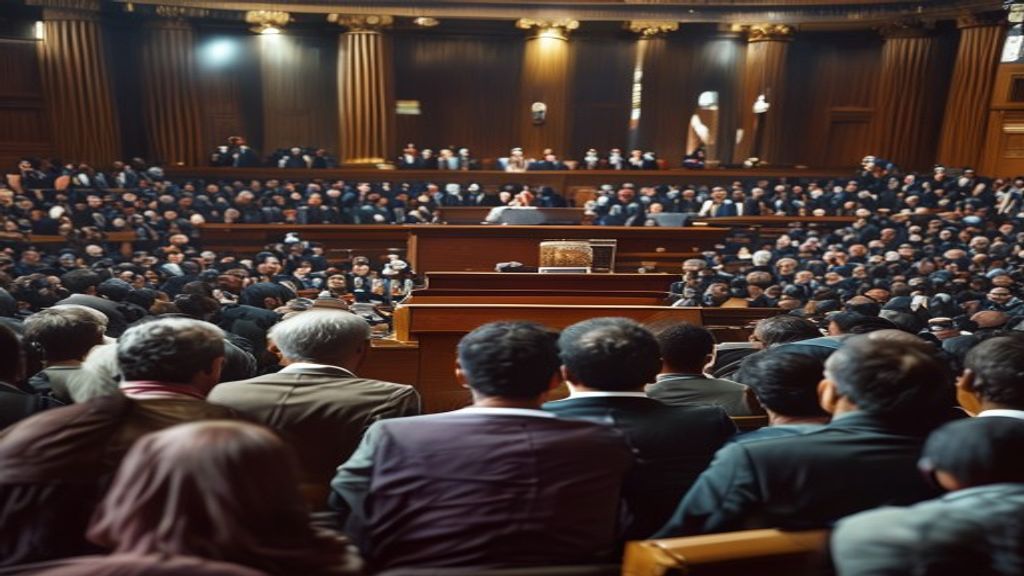
The Supreme Court of India recently dismissed a plea from the Dravida Munnetra Kazhagam (DMK) party concerning the Karur stampede case. This incident, which occurred during a public event in Karur, Tamil Nadu, resulted in several casualties and raised significant concerns about public safety. The court's decision emphasizes the limitations on how political parties can influence ongoing judicial processes.
Background of the Karur Stampede Case
The Karur stampede case refers to a tragic incident that took place during a public gathering in Karur, Tamil Nadu. On that fateful day, a large crowd gathered for a distribution event, leading to chaos and a stampede. Reports indicate that the stampede resulted in multiple injuries and fatalities, prompting widespread outrage and calls for accountability. The DMK party sought to intervene in the case, arguing for greater oversight and regulation of the proceedings.
Furthermore, the incident highlighted the need for improved crowd management at public events. In response to the tragedy, various stakeholders, including government officials and law enforcement agencies, began reviewing safety protocols. The Supreme Court's ruling serves as a reminder of the delicate balance between political influence and judicial independence in such sensitive matters.
Supreme Court's Ruling on Political Influence
The Supreme Court's dismissal of the DMK's plea underscores the judiciary's commitment to maintaining impartiality. The court ruled that allowing political parties to dictate terms in ongoing cases could undermine the integrity of the legal process. This decision reinforces the principle that courts must operate free from external pressures, ensuring fair trials for all parties involved.
As a result, the ruling has significant implications for how political entities engage with judicial matters. The court's stance aims to prevent any potential misuse of political power in influencing legal outcomes. This ruling is particularly relevant in cases involving public interest, where the stakes are high, and public sentiment can sway opinions.
Implications for Future Cases
The implications of the Supreme Court's ruling extend beyond the Karur stampede case. It sets a precedent for how political parties may interact with the judiciary in similar situations. Political entities must now reconsider their approach to legal matters, especially in cases that attract public attention.
Moreover, this ruling may encourage greater accountability among political leaders. By limiting their ability to influence court proceedings, the judiciary aims to foster a more transparent legal environment. This shift could lead to more robust legal frameworks surrounding public safety and event management.
Public Reaction to the Ruling
Public reaction to the Supreme Court's decision has been mixed. Many citizens express relief that the judiciary remains independent from political pressures. They believe that this independence is crucial for ensuring justice in cases like the Karur stampede. However, some critics argue that political parties should have a voice in matters affecting public safety.
In addition, the ruling has sparked discussions about the role of political parties in advocating for victims' rights. While the court's decision limits direct involvement, it does not eliminate the need for political advocacy in ensuring that safety measures are implemented in the future.
Next Steps for the Karur Stampede Case
With the Supreme Court's ruling in place, the focus now shifts back to the ongoing investigation into the Karur stampede case. Authorities are expected to continue their inquiries, aiming to identify the factors that led to the tragic event. This includes examining crowd control measures and the responsibilities of event organizers.
Furthermore, the court's decision may prompt a review of existing safety regulations for public events. Stakeholders, including government agencies and event organizers, will need to collaborate to enhance safety protocols. This proactive approach could help prevent similar incidents in the future.
Conclusion on Judicial Independence
The Supreme Court's dismissal of the DMK's plea regarding the Karur stampede case serves as a crucial reminder of the importance of judicial independence. By reinforcing the boundaries between political influence and legal proceedings, the court aims to uphold the integrity of the justice system. This ruling not only impacts the current case but also sets a standard for future interactions between politics and the judiciary in India.
Source: News Feed

