E20 Petrol: Impact on Cars and Future of E85 Rollout in India
NewsE20 Petrol: Impact on Cars and Future of E85 Rollout in India
Discover how E20 petrol affects vehicle performance and the upcoming E85 rollout in India.
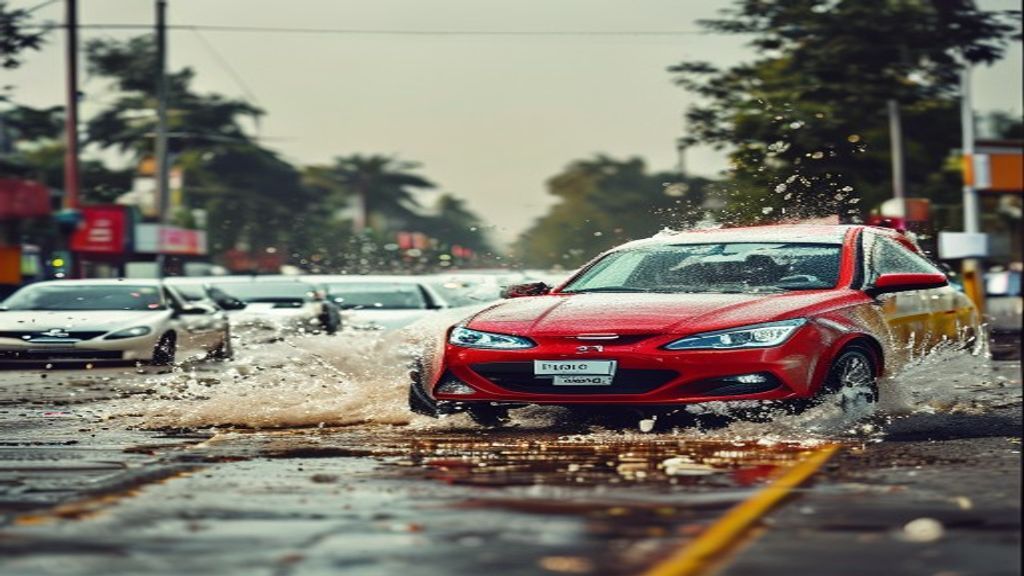
India has officially adopted E20 petrol, a fuel blend containing 20% ethanol. This significant shift aims to enhance energy security and reduce emissions. The government plans to introduce even higher ethanol blends, such as E22 and E30, by eliminating excise duties on these mixtures. As a result, many consumers are concerned about how E20 petrol will affect fuel economy and older engines.
Understanding E20 Petrol
E20 petrol is designed to reduce dependence on fossil fuels while promoting cleaner energy sources. This blend not only helps in decreasing greenhouse gas emissions but also supports the agricultural sector by utilizing domestically produced ethanol. Furthermore, the Indian government is committed to increasing the use of biofuels, which aligns with global sustainability goals.
Automotive manufacturers have conducted extensive testing on E20 petrol. They assert that this fuel blend is safe for modern vehicles. However, concerns linger among consumers, particularly regarding older engines. Many drivers worry that switching to E20 could lead to performance issues or reduced fuel efficiency.
The Benefits of E20 Petrol
E20 petrol offers several advantages for both the environment and vehicle performance. First, the use of ethanol helps lower carbon emissions, contributing to cleaner air quality. Additionally, ethanol has a higher octane rating than traditional petrol, which can enhance engine performance in compatible vehicles.
Moreover, E20 petrol can lead to cost savings for consumers. As the government promotes higher ethanol blends, the price of petrol may stabilize or even decrease. This shift can benefit consumers financially while supporting the local economy through increased demand for domestically produced ethanol.
Concerns About E20 Petrol
Despite the benefits, many consumers express concerns about the impact of E20 petrol on older engines. Some fear that the higher ethanol content could lead to fuel system issues or engine damage. However, automotive experts emphasize that most modern vehicles are designed to handle E20 without any adverse effects.
In addition, vehicle manufacturers are actively working to educate consumers about the compatibility of their cars with E20 petrol. They encourage drivers to consult their vehicle manuals or contact dealerships for guidance. This proactive approach aims to alleviate concerns and ensure a smooth transition to E20.
The Future of E85 Rollout
Looking ahead, the Indian government is preparing for the rollout of E85 petrol, which contains up to 85% ethanol. This ambitious plan aims to further reduce reliance on fossil fuels and promote sustainable energy sources. The introduction of E85 is expected to provide even greater environmental benefits and fuel efficiency.
However, the transition to E85 will require significant infrastructure changes. Fuel stations will need to adapt their systems to accommodate higher ethanol blends. Additionally, consumer education will be crucial to ensure that drivers understand the benefits and compatibility of E85 with their vehicles.
Government Support for Ethanol Blends
The Indian government is taking steps to support the adoption of E20 and E85 petrol. By waiving excise duties on higher ethanol blends, they aim to encourage both consumers and manufacturers to embrace these fuels. This initiative not only promotes cleaner energy but also supports the agricultural sector by increasing demand for ethanol production.
Furthermore, the government is investing in research and development to improve ethanol production technologies. This investment will help ensure a stable supply of ethanol and enhance the overall efficiency of biofuel production. As a result, consumers can expect a more reliable and sustainable fuel source in the future.
Consumer Awareness and Education
As E20 petrol becomes more widely available, consumer awareness is essential. The government and automotive manufacturers are collaborating to provide information about the benefits and potential concerns associated with E20 and E85. This educational effort aims to empower consumers to make informed decisions about their fuel choices.
In addition, workshops and informational campaigns are being organized to address common misconceptions about ethanol blends. By fostering a better understanding of E20 petrol, stakeholders hope to encourage a smoother transition and greater acceptance among drivers.
The shift to E20 petrol marks a significant milestone in India's journey toward sustainable energy. With government support and consumer education, the future of E85 rollout looks promising, paving the way for a cleaner and more efficient automotive landscape.
Source: News Feed

